
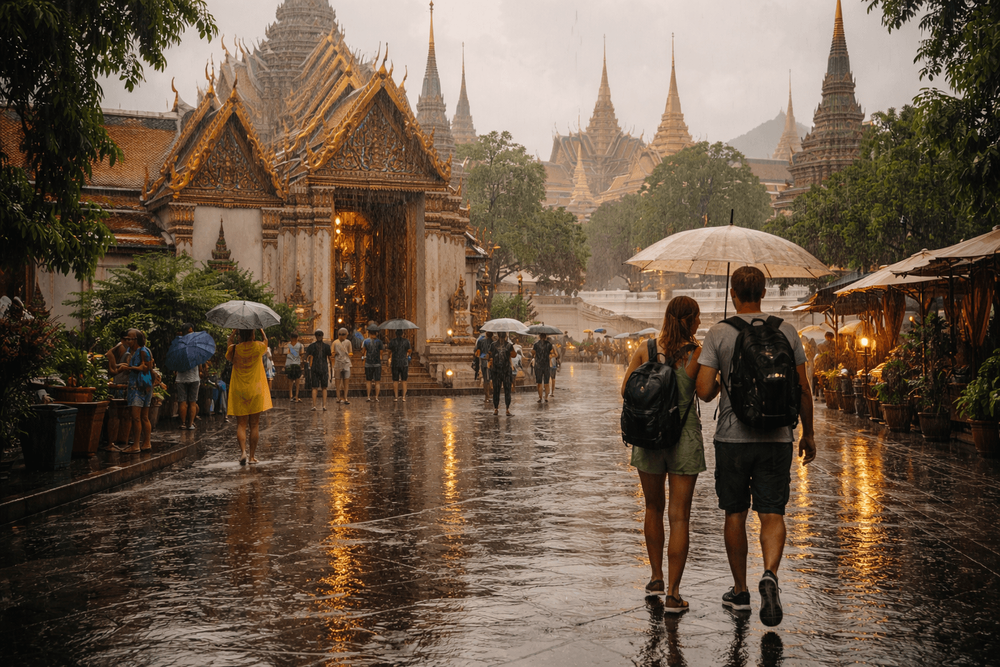
Bangkok Temple Run in the Rainy Season: How to Visit Wat Pho, the Grand Palace, and Golden Mount from Khao San Road
Make Bangkok’s rainy season your temple sweet spot. From Khao San, we thread Wat Pho, the Grand Palace, and Golden Mount between showers with smart, dry moves.
Rain slaps the tarps on Soi Rambuttri, mango skins glisten on a cart, and a tuk-tuk hisses past leaving a rooster tail of spray. We duck into 7-Eleven for that arctic blast of AC and a 20-baht poncho, then step back into the steam because this is exactly why we love a Bangkok temple rainy season run from Khao San Road. Clouds cool the heat, crowds thin, and the city smells alive—wet jasmine, diesel, a hint of durian. We’re chasing covered cloisters and golden halls today: Wat Pho, the Grand Palace, and the Golden Mount.
Why the Bangkok temple rainy season can be brilliant
Rainy season in Bangkok doesn’t mean all-day monsoons. It’s usually cycles: humid buildup, a big afternoon downpour for 30–90 minutes, then sun. Overcast mornings give soft, flattering light for photos, and the worst of the midday heat gets knocked down a notch. The trick is picking temples with indoor spaces and covered walkways, timing the open-air bits for the dry windows, and having a few café and river-boat backups when the sky opens.
Best temples for a rainy day from Khao San Road
Wat Pho (Wat Phra Chetuphon): covered galleries and indoor wow
- Why it works in rain: Most of Wat Pho’s highlights are either indoors or under covered cloisters. The 46-meter Reclining Buddha is inside the viharn; the perimeter galleries are roofed; and there are plenty of breezeways to dart between in a sudden downpour.
- Rainy route: Enter, head straight for the Reclining Buddha while it’s quiet. Then wander the covered cloisters lined with Buddhas and the herbal massage pavilions (if the heavens open, a traditional Thai massage here is a blissful, thunder-accompanied intermission). The stone giants from old Chinese junks grin under eaves—excellent in wet light.
- Practical bits: Entry fee is about a couple hundred baht for foreigners and typically includes a small water. Usual hours run from early morning into early evening; arriving before 9:00 helps beat tour buses. Floors can be slick—walk, don’t glide.
The Grand Palace and Wat Phra Kaew: arcades, cloisters, and color that pops after rain
- Why it works in rain: The Emerald Buddha temple (Wat Phra Kaew) is fully indoors; the palace complex knits together with covered colonnades and shaded galleries. When the sun breaks after a shower, the lacquered demons and mirrored stupas practically vibrate with color.
- Rainy route: From Khao San, save this for late morning or early afternoon when crowds ebb during and right after the rain. Stick to the covered perimeter gallery to circle the murals of the Ramakien; pop into the Emerald Buddha chapel to dry off and cool down; then use the arcades to hop between photo spots when drizzle eases.
- Practical bits: Expect an entry fee in the higher hundreds of baht for foreigners and a firm dress code—shoulders and knees covered, no ripped jeans, no see-through. Official opening is usually 8:30–15:30, but check signs on the day; the palace closes early for ceremonies. Beware the classic “Palace closed” scam outside the gates—within five minutes of Khao San, there’s always a “helpful” uncle steering farang to gem shops. If a stranger tells us it’s closed, we smile, say “mai pen rai,” and keep walking to the official entrance.
Golden Mount (Wat Saket): time your climb between showers
- Why it can still work: The 300-ish steps spiral around the chedi and are mostly open-air; drizzle is fine, but in a full storm we wait it out under the small shrines on the way up. The interior shrine at the top offers shelter, and post-rain views—temple spires poking through mist, rain beads on the bells—are classic old Bangkok.
- Rainy route: If the radar in your bones says a big cell is coming, we flip the order: Golden Mount right at opening for a cool, empty climb before the day cooks, or we hit it late afternoon when storms taper. Watch your footing on the red steps; they’re gorgeous and slick.
- Practical bits: Modest entry fee (tens of baht range) for the chedi; the temple compound below is free. Usual hours start early and run to early evening. If lightning is cracking, we shelve the summit—no view is worth becoming a human antenna.
Bonus wet-weather-friendly stops nearby
- Wat Suthat: enormous covered viharn and meditative vibe even in rain; the Giant Swing out front looks moody against thunderheads.
- Wat Ratchabophit: gorgeous tiled cloisters and a royal cemetery, mostly covered walkways for drizzle days.
- Museum backups: The Bangkok National Museum near Sanam Luang and the Rattanakosin Exhibition Hall on Ratchadamnoen offer air-con storytelling when the rain turns biblical.
For more wet-weather temple strategy, we also keep this handy guide on standby: Bangkok Temple Run for Rainy Season: How to Visit Wat Pho, Grand Palace, and Golden Mount Without Getting Soaked.
Rainy season in Bangkok: months, patterns, and what it does to plans
- When: Typically May through October, peaking around September–October. You can get early or late showers on either side.
- What it feels like: 26–34°C with humidity that makes cotton feel like a warm towel fresh from the dryer. The first drops often hit like warm rice water; within minutes, street steam rises and the khlongs burp that funky canal perfume.
- How it falls: Fast, heavy downpours in the afternoon or early evening are common; mornings can be clear, or vice versa after a night storm. Squalls pass in 20–60 minutes more often than not.
- Travel impacts: Marble temple floors get slick, and flagstones pool. Some sois near the river puddle ankle-deep—look for slightly raised shop thresholds. Chao Phraya Express boats generally run through rain, but captains may skip the splashiest piers in extreme chop.
Wet-weather temple toolkit: what to wear, carry, and shoot
- Footwear: Quick-dry sandals with a backstrap are heroes; wet flip-flops on marble are slapstick waiting to happen. Pack thin socks in a dry bag if you prefer covered shoes—temples require taking them off, and putting soggy socks back on is peak no-sanuk.
- Clothes and dress code: Lightweight, quick-dry pants or midi skirts, breathable tops with sleeves. Bring a light scarf or sarong for shoulders/knees just in case. Temples don’t bend rules for rain.
- Umbrella or poncho? A compact umbrella is great for drizzle, but in a sideways squall we swear by a cheap poncho (about 20–40 baht at 7-Eleven). Mind your umbrella drip inside shrines—fold it at the door.
- Bags and tech: A small waterproof crossbody or a dry sack inside your daypack. Ziplock for your phone, microfiber cloth for lenses. Anti-fog tip: pocket your camera for a minute when moving from AC to outdoors to let it acclimate.
- Photos: Overcast light makes gold leaf glow and kills harsh shadows. Hunt puddle reflections under colonnades at Wat Phra Kaew; rain beads on yaksha guardians look cinematic. No flash inside the Emerald Buddha chapel.
- Cash and tickets: Keep small bills and tickets in a zip pocket or small dry pouch—ticket stock hates rain. Many places accept QR mobile pay now, but don’t count on it after a power blip.
If you want a deeper pack list just for soggy shrine days, we wrote this too: What to Pack for Thailand for Temple Visits in the Rainy Season: Quick-Dry Clothes, Footwear, and Mosque-Friendly Backup Plans.
Threading food, cafés, and river boats between showers
We build a rainy day around covered moves and tasty pit stops.
- Start at Khao San/Soi Rambuttri: Grab a hot pan-fried roti or a banana pancake under a tarp while we watch the clouds organize. If it’s bucketing, wait ten—storms often pass faster than it takes to finish a Thai iced coffee.
- Boat beats foot in a downpour: From Khao San, it’s a 10–15 minute walk to Phra Arthit Pier (N13) along Phra Athit Road’s tree-lined stretch. The Orange Flag boat (around 16–20 baht) drops us at Tha Tien (N8) for Wat Pho or Tha Chang (N9) for the Grand Palace. The pier shelters are covered; just queue on the dry side unless you like eau de Chao Phraya.
- Tha Tien refuel: Between showers near Wat Pho, we duck into the market for grilled squid, curry over rice, or a clay-cup coffee that tastes like smoky toffee. Plenty of awnings to wait out a burst.
- Museum and café interludes: If the sky goes dark as a monk’s robe, we pivot to the Bangkok National Museum or the Rattanakosin Exhibition Hall for an hour. Along Phra Athit, indie cafés hide behind bougainvillea; we’ve spent entire storms nursing a lime soda and watching river lightning fork behind Phra Sumen Fort.
- Golden Mount buffer: On the way to Wat Saket, the covered arcades near Democracy Monument offer shelter. Street vendors along Bamrung Muang flip oyster omelets like nothing’s happening. If the steps are slick, we slow down and listen to the bells.
For routes that keep you under awnings and arcades, we cross-check with our rainy-day Khao San playbook: Bangkok Temple Run from Khao San Road on a Rainy Day: Covered Routes, Backup Stops, and What Still Works.
Safety, etiquette, and comfort when it’s wet and crowded
- Slippery is the default: Polished stone and wet leaves are treacherous. Short steps, hand on the rail, phone away while moving.
- Lightning logic: If thunder is cracking overhead, we postpone exposed viewpoints like the Golden Mount summit. There’s always noodles and another gap in the rain.
- Temple manners don’t change for weather: Shoulders/knees covered, remove shoes at thresholds, keep voices low. Don’t block worshippers while you frame raindrop bokeh.
- Scams get bolder in bad weather: Ignore “temple closed today” patter near the Grand Palace gates. Official entrances are obvious and guarded; ticket windows are inside.
- Tuk-tuk math in rain: Fares jump when the sky cries. For short hops around Rattanakosin, we negotiate up front (80–150 baht depending on distance and downpour) or flag a metered taxi. If the driver won’t start the meter, we step away. Boats are usually cheaper and drier.
- Keep feet and bags high: Street drains can burp; we don’t plant our daypack at curb level. Avoid metal grates and mysterious puddles.
- Hydrate despite the cool: Rain cools the air but not your core. We buy a bottle of water (10–15 baht) every stop or two and toss in electrolytes if we’re sweating through a poncho.
A flexible rainy-season temple run from Khao San
Here’s how we thread the needle on a typical wet day, adjusting on the fly.
- 07:30 – Golden Mount first: Cooler air, empty stairwell, bells chiming in the mist. If clouds look angry, we swap and start at Wat Pho instead.
- 09:15 – Coffee/roti buffer along Bamrung Muang or back toward Democracy Monument under the arcades.
- 10:00 – Boat from Phra Arthit Pier to Tha Tien: Covered queue, breezy ride with spray at the bow (we sit mid-boat on flood days).
- 10:30 – Wat Pho: Reclining Buddha indoors while a shower drums the roof. Massage pavilions are our rain insurance—30–60 minutes of knead, then the courtyard steams.
- 12:00 – Lunch at Tha Tien market: Rice-and-curry stall under corrugated tin; we watch the river go slate grey, then olive again.
- 13:00 – Grand Palace: Enter after a big downpour when tour coaches hesitate. Stick to galleries; catch the Emerald Buddha chapel between groups. If a royal event shortens hours, we pivot to Wat Suthat and the National Museum.
- 15:30 – Phra Athit cafés: Lime soda, banana cake, and that post-storm gold light on the river. If skies clear completely, we stroll the park by Phra Sumen Fort.
If the whole day looks like a solid blue blob on the radar, we reverse the emphasis—museums first, then temples during lighter bands. And if the forecast flips to blazing sun tomorrow, a sunrise temple blitz is magic; we’ve laid out timing plays here: Bangkok Temple Run with Sunrise and Early Entry Timing: Beating Heat and Crowds at Wat Pho, Grand Palace, and Golden Mount.
Getting there from Khao San Road (rain-friendly routes)
- To Wat Pho: Walk 10–15 minutes to Phra Arthit Pier (N13), Orange Flag boat to Tha Tien (N8), then 3–5 minutes under shop awnings to the gate. In heavy rain, a short metered taxi can make sense—watch for surge-y tuk-tuk quotes.
- To the Grand Palace: Same boat to Tha Chang (N9); covered arcades lead toward the ticketing area. Dress code checks happen before the window—if you need a cover-up, there are rental options just inside.
- To Golden Mount: 20–25 minute walk via the Democracy Monument arcades and Bamrung Muang’s awnings. If the streets are rivers, canal boats from Phan Fa Lilat Pier (Khlong Saen Saep) put you within a short rainy stroll.
Where we stay when storms roll through
When the sky flips a switch every hour, we like to base near Khao San and Phra Athit—quick access to boats, cafés, and covered arcades. A place with a decent lobby and a quick-dry rack saves our sanity. If you’re deciding, look for:
- Location within a five-minute walk of Phra Arthit Pier or Soi Rambuttri for easy food and boat hops
- Coin laundry or fast-dry services
- A quiet wing facing a courtyard, not Khao San’s bass cannon
Know before you go: quick hits
- Temples are open most rain days; extreme weather may close outdoor sections or shorten hours—signage trumps hearsay.
- Dress code is enforced regardless of weather; plan your outfit before you pack your poncho.
- Bring small bills for boats and market stalls; keep them in a dry pouch.
- Plan your open-air bits (Golden Mount steps, palace courtyards) for lighter bands between showers.
- If someone insists a temple is closed or a “special ceremony” blocks your visit—but they also “know another place”—we keep walking to the official gate.

The fun of a Bangkok temple rainy season run is in the dance—dash, duck, linger, sip. We’ll be the ones under the eaves at Wat Pho, breathing in sandalwood and petrichor, waiting for the rain to turn the city gold. When it does, we’ll make a break for the next shrine together.
Related Hotels & Places
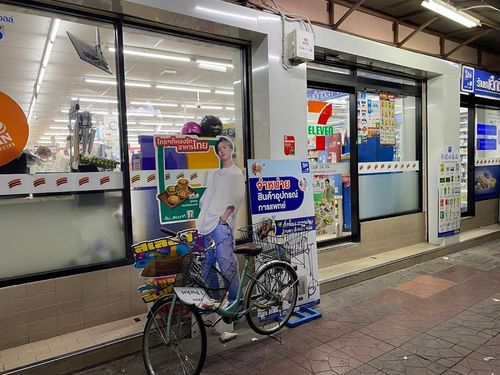
7-Eleven
Shops
Khao San’s 24/7 reset button: ice‑cold A/C, ham‑cheese toasties, All Café iced lattes, water for 7–14 THB, and late‑night supplies from snacks to sunscreen—right by Rikka Inn.
Wat Phra Chetuphon Wimon Mangkhalaram Rajwaramahawihan
Temples
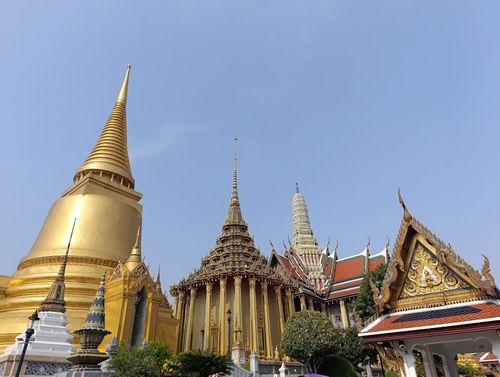
The Grand Palace
Attractions
Bangkok’s royal showpiece a short hop from Khao San: glittering Wat Phra Kaew, Ramakien murals, and gold-on-gold rooftops. Go 8:30am to dodge the heat, dress modestly, and boat to Tha Chang for the prettiest arrival.
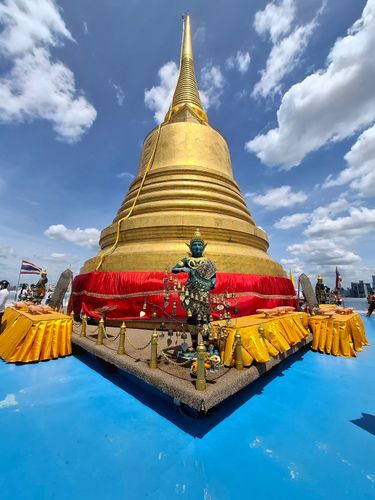
Wat Saket Ratchawora Mahawihan
Temples
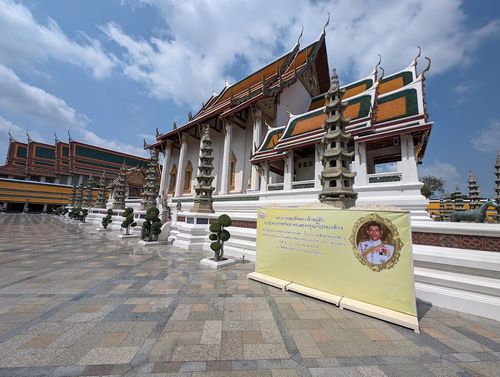
Wat Suthat Thepwararam Ratchaworamahawihan
Temples
Serene counterpart to the Giant Swing: a soaring hall, Sukhothai‑era 8 m bronze Buddha, and some of Bangkok’s finest murals. An easy 15‑minute walk from Khao San; open daily till 8pm for golden‑hour visits.
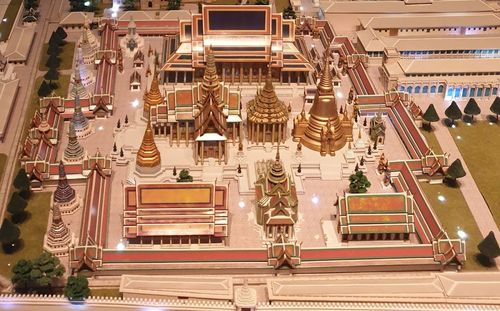
Rattanakosin Exhibition Hall
Attractions
Nine smart galleries map Bangkok’s Rattanakosin era with models, multimedia, and staff‑led tours every 30 minutes. Air‑con refuge near Democracy Monument; open Tue–Sun 9am–5pm. Tickets from ~200 THB. Coffee shop and a small library upstairs.
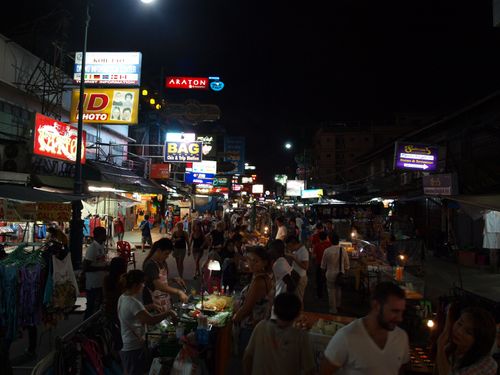
Khao San Road
Attractions
Bangkok’s backpacker carnival: curbside bars, live bands and DJs from 3pm–2am (midnight Sun). Street eats are cheap — pad thai 70–100 THB, mango sticky rice 60–100 THB. Come for wild people-watching; duck into Rambuttri for a calmer beer.
Phra Sumen Fort
Attractions
1783 riverfront fort on Phra Athit with white battlements, park breezes, and killer sunset views over Rama VIII Bridge. Free entry; best from 5–7pm before the gates close at 9pm.
Recommended Products
More Khao San Road Guides
- Bangkok Temple Run for Rainy Days: How to Visit Wat Pho, the Grand Palace, and Golden Mount in Wet Weather from Khao San Road
- Bangkok Temple Run for Rainy Days: Wat Pho, Grand Palace, and Golden Mount Covered Route from Khao San Road
- Bangkok Temple Run for Rainy Season: How to Visit Wat Pho, Grand Palace, and Golden Mount Without Getting Soaked
- Bangkok Temple Run for Rainy Season: Wat Pho, Grand Palace, and Golden Mount from Khao San Road