
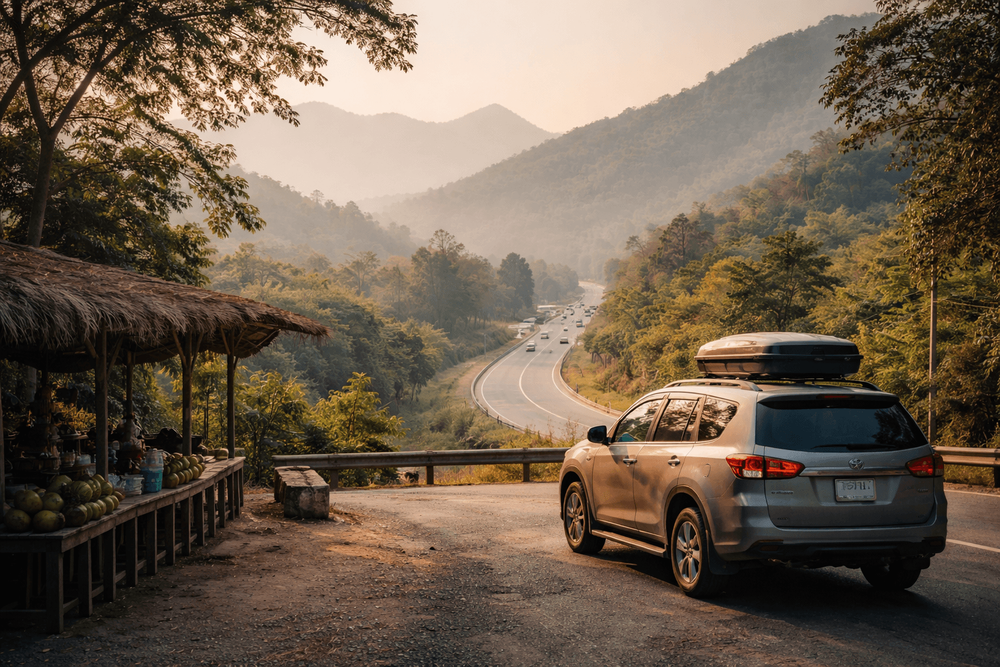
Bangkok to Chiang Mai by Car: Driving, Fuel, Stops, and When It Makes Sense
Planning to drive from Bangkok to Chiang Mai? Here’s the real distance, routes, fuel costs, best stops, rental rules, and when a road trip beats flying.
It’s just after dawn on Phra Athit Road, tuk-tuks yawning awake and the Chao Phraya already heaving. We grab a coffee, duck into that blessed 7-Eleven AC, and point the bonnet north. Bangkok to Chiang Mai by rental car isn’t just a transfer; it’s a road trip shaped by noodle stops, temple detours, and the long green spine of Thailand unfurling past the windshield. If you’ve got the itch to drive, we’ve got the route, the real costs, and the sanuk.
Bangkok to Chiang Mai by Car: Distance, Routes, and Drive Time
- Distance: 680–720 km depending on route and city exits
- Typical drive time: 8.5–10 hours of wheels turning; 10–12 with food/photo breaks
You’ve got two main northbound choices once we escape Bangkok’s ring roads:
- Route 32 (Asia Highway) → Nakhon Sawan → split:
- West option (Route 1 via Tak): Nakhon Sawan – Kamphaeng Phet – Tak – Lampang – Chiang Mai. Wider, truck-heavy, big skies, easy rhythm.
- East option (Route 11 via Phitsanulok): Nakhon Sawan – Phitsanulok – Uttaradit – Den Chai – Lampang – Chiang Mai. Flows well, often a touch more scenic as we climb into the north.
Both are primarily divided highways, mostly 4-lane, with frequent fuel and food. We aim to leave before 6:30 a.m. to slip past the northern sprawl of Vibhavadi Rangsit and avoid getting sandwiched between container trucks and commuter vans. If we roll after 8 a.m., add 45–90 minutes to clear the city.
Getting out of Bangkok without losing your cool
- From Khao San Road/Rattanakosin: Cross to Rama VI Bridge → Ratchawithi → Vibhavadi Rangsit. Or hop the Utraphimuk Tollway (Don Mueang Tollway) to skip lights; figure 60–120 THB depending on segments.
- From Sukhumvit/Sathorn: Use the Sirat Expressway to the Outer Ring (Kanchanaphisek/M9), then cut to Route 32. Expect 100–200 THB in tolls to reach open highway.
Once we’re on Route 32, it’s cruise control and a steady procession of PTTs, Bangchaks, and Shells. Upcountry highways are untolled; you only pay tolls in and around Bangkok.
Road Conditions, Tolls, Fuel, and Rest Stops
Thailand’s northbound arterials are built for long hauls: multiple lanes, clear signage in Thai and English, and frequent U-turns and slip roads. Expect:
- Pacing: Traffic thins out after Ayutthaya, but keep an eye out for slow trucks in the fast lane and occasional resurfacing zones. Speed cameras pop up; posted speeds are usually 90–100 km/h outside towns and lower through built-up stretches.
- Tolls: Outside Bangkok ring roads and city expressways, no tolls. Budget 100–300 THB for the city section depending on which ramps we take.
- Fuel: Gasoline prices move, but plan on 35–45 THB/litre. A mid-size sedan (12–15 km/l) burns roughly 50–60 litres door to door, so 1,800–2,700 THB in fuel one way. SUVs drink more.
- Rest stops: PTT stations with Amazon Café are road-trip heaven—clean toilets, iced americanos, grilled pork skewers. Bangchak often tucks in a cute Inthanin Coffee. You’ll never be more than 30–50 km from a decent stop.
- Payments: Cards widely accepted at big stations and cafes, but keep 500–1,000 THB in cash for small-town eats and odds and ends.
- Essentials to stash: Small bills for tolls, tissues for restrooms that run out, mosquito spray after dusk, and a Thai SIM for data-driven navigation.
Safety notes we actually follow:
- Night driving: We avoid it. Unlit vehicles, sudden U-turns, and dazed dogs on the shoulder aren’t rare.
- Rain: In rainy season (May–Oct), downpours can be biblical. Slow down on polished concrete, and watch for spray from trucks.
- Lane discipline: Keep right to pass, then move back. No shame in a steady 95 km/h; it beats white-knuckling.
- Emergencies: Highway Police 1193, medical 1669, general 191. Most stations will help call a tow or translate.
The Best Stops and Detours (Worth Burning Daylight For)
We’re not doing a cannonball run. Half the joy of Bangkok to Chiang Mai by car is stitching little moments together—noodle steam, temple bells, a stretch under tamarind shade.
Ayutthaya (80 km from Bangkok; 1.5–2 hours with city traffic)
Early stop for ruins and roti sai mai (Thai cotton candy wrapped in warm roti). Pull into the historical park loop for a walk among headless Buddhas and red-brick prangs. It’s an easy in-and-out detour off Route 32.
What we eat: Boat noodles by the river or a plate of grilled river prawns if we’re feeling flush.
Lopburi (155 km; 2.5–3 hours)
Monkeys rule the roost around Phra Prang Sam Yot. Park away from the main troop (they love side mirrors), wander the old town, then bail before your windshield wipers become chew toys.
Snack stop: Crispy pork and sticky rice from a market cart. Keep car windows locked.
Nakhon Sawan (240 km; 3.5–4 hours)
A natural split in the route. Climb to Wat Kiriwong for a 360-degree hilltop view of the Ping, Nan, and Yom rivers converging—Thailand’s central plains stitched like a rice quilt.
Coffee break: Amazon Café at a big PTT on the bypass. Stretch, hydrate, decide: Route 1 (via Tak) or Route 11 (via Phitsanulok).
Kamphaeng Phet (Route 1; 360 km; 5–6 hours)
If we’re doing Route 1, the Kamphaeng Phet Historical Park is Sukhothai’s quieter cousin—mossy laterite ruins under lofty trees. A short loop is easy before lunch.
Phitsanulok (Route 11; 380 km; 5.5–6 hours)
Home to Wat Phra Si Rattana Mahathat and the revered Phra Buddha Chinnarat. Worth 30 minutes of cool, incense-swirled calm.
Bowl to seek: Kuay tiew teow nam tok (boat noodles) in a shophouse off the Nan River. Prices hover around 40–60 THB a bowl. Two bowls per person is… normal.
Detour: Sukhothai Historical Park (+60 km west from Route 11 via Hwy 12)
If we’ve got time, Sukhothai is the gold-standard ruin ride—flat, bike-friendly, photogenic at golden hour. Add 2–4 hours for a satisfying wander.
Tak (Route 1; 430 km; 6–7 hours)
Sky wide, Burmese hills whispering from the west. The Bhumibol Dam is a longer detour, but even a quick riverfront stretch in town resets our brains for the final climb.
Uttaradit & Den Chai (Route 11; 470–520 km; 6.5–7.5 hours)
Fruit stalls flash by—longans, lychees in season. Den Chai is an under-sung food stop; look for grilled chicken (gai yang) and som tam near the station.
Lampang (610 km via either route; 8–9 hours)
Northern vibes turn up a notch. If we have daylight, Wat Phra That Lampang Luang glows honey-gold near sunset. Downtown has shophouse cafés and the odd horse carriage clip-clopping by.
Final stretch: Route 11 climbs over forested hills; watch for fog after rain and trucks straining on gradients. Then, bang—Mae Rim signs, a whiff of pine, and we drop into Chiang Mai basin.
Practical Costs: What the Drive Really Runs
- Fuel: 1,800–2,700 THB for a mid-size sedan, more for SUVs.
- Tolls: 100–300 THB (city only).
- Food/coffee: 200–500 THB per person depending on appetite and how many Amazon frappes we rack up.
- Rental car: Economy automatics often 900–1,500 THB/day; mid-size 1,200–2,000 THB/day. One-way drop Bangkok → Chiang Mai is commonly 3,000–6,000 THB (sometimes waived on promos).
Add it up for two travelers and the drive can be competitive with flying, especially if we fold in sightseeing that would otherwise be separate day trips.
Requirements for Renting or Driving in Thailand
We drive on the left. Indicators are suggestions; right-lane campers are real. You’ll be fine with a little patience and a solid navigation app.
What we carry and check, every time:
- License: Your home license plus an International Driving Permit (IDP) based on the 1949 convention. Many counters rent to foreign licenses, but the IDP smooths police checks and keeps insurance airtight.
- Passport and credit card: Required for rental and at some checkpoints.
- Insurance: Aim for first-class (Type 1) coverage or CDW with a manageable excess. Ask specifically about theft, windscreen, tyres, and undercarriage. Add an extra driver if you’ll swap.
- Deposit: 8,000–20,000 THB holds are normal on a credit card.
- Child seats: Seat belts are mandatory; bring or rent proper child seats even if enforcement feels… variable.
- One-way rentals: Confirm the drop fee and where exactly you’ll return in Chiang Mai (airport or city). Snap photos of the car at pickup—every panel, every rim.
Driving culture and safety tips:
- Keep right to pass only. Flashing headlights from behind usually mean “I’m coming fast,” not aggression.
- Watch for motorcycles sliding into your blind spot at U-turns and fuel station exits.
- Don’t drink and drive. Police checkpoints are common; fines are electronic e-tickets now. Be polite, say sawadee, and you’ll be on your way.
- Navigation: Google Maps is king; download offline tiles. For food detours, Wongnai (Thai-language Yelp) is great—photos transcend language.
Parking at the finish line:
- Chiang Mai Old City’s moat roads are one-way puzzles; many sois are too tight for SUVs. Ask your guesthouse about on-site parking before you arrive.
- Big, safe bets: Maya, One Nimman, and Central Festival malls (free/low-cost parking) if you want to stash the car and wander.
- On Sundays, Ratchadamnoen Road shuts for the Walking Street market—avoid driving into the Old City after 3 p.m.
Know Before You Go (Quick Hits)
- Best departure: Pre-dawn on a weekday. Fridays spike with outbound Bangkok crowds; Sundays spike inbound.
- Weather windows: Cool-dry season (Nov–Feb) is dreamy. Rainy season is lush and dramatic but bring patience and wiper fluid.
- Cash vs card: Keep small bills for snacks and rural fuel pumps that occasionally go offline.
- Music and munchies: Load a playlist and hoard road snacks from 7-Eleven—Thai seaweed sheets, grilled pork buns, and Kopiko candies.
When Driving Makes Sense vs Train, Bus, or Flight
We drive when the journey is the point—temples at our pace, a two-hour lunch because that khao kha moo joint slap-bang on Route 32 is calling, or when we’re traveling as a pair or a family and want flexibility. But it’s not always the smart play.
Choose choose the car when:
- You crave detours like Ayutthaya, Sukhothai, or Lampang without booking tours.
- You’ve got 2–4 people splitting fuel and drop fees.
- You’re carrying odd-sized luggage (guitars, bikes, film gear) that airlines frown at.
Consider other modes when:
- You’re solo and counting baht. A flight or bus is cheaper and easier.
- Time is tight. Flights run 1h10m; door-to-door is often 4–5 hours, even with airport faff.
- You don’t want to deal with Bangkok traffic or long-haul concentration.
weighing every option, our full comparison of trains, buses, flights, and private car drivers lays it out cleanly in one place: Bangkok to Chiang Mai by Train, Bus, Flight, or Private Car: Which Option Is Best for Your Trip?.
If you like the road-trip idea but prefer a deeper dive into rental logistics, possible loops, and stopover times, park this guide next to our dedicated rental breakdown: Bangkok to Chiang Mai by Rental Car: Road Trip Route, Driving Time, and Stopover Ideas.
If the thought of self-driving makes you sweat but you still want door-to-door comfort, a driver can be the sweet spot—no navigation stress, same scenic stops: Bangkok to Chiang Mai by Private Car or Taxi: Cost, Travel Time, and When It Makes Sense.
And if you’re still shopping the whole menu, this roundup is an easy bookmark: Bangkok to Chiang Mai: The Best Ways to Travel.
Final Stretch: Rolling Into Chiang Mai
We’ll know we’ve arrived when the air cools a few degrees and the smell shifts—rain-soaked teak, incense, and grill smoke from a back-alley khao soi stall. We like to park on the edge of the moat, stretch by the Tha Phae Gate, then wander under lanterns until the bass from some Nimman bar is just a thump in the distance.
If you’ve got the time, do it by car at least once. Bangkok to Chiang Mai by car isn’t the fastest way north, but when that first bowl of khao soi hits after a long drive, it feels like we earned it—and we’ve got the stories (and snack wrappers) to prove it.
Related Hotels & Places
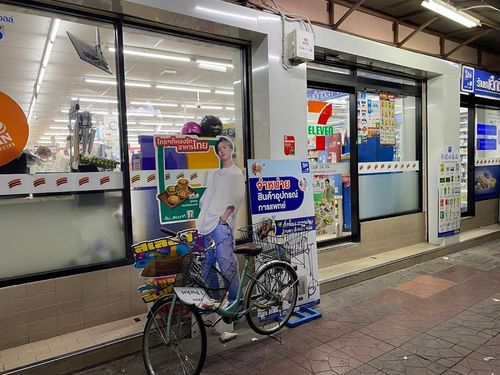
7-Eleven
Shops
Khao San’s 24/7 reset button: ice‑cold A/C, ham‑cheese toasties, All Café iced lattes, water for 7–14 THB, and late‑night supplies from snacks to sunscreen—right by Rikka Inn.
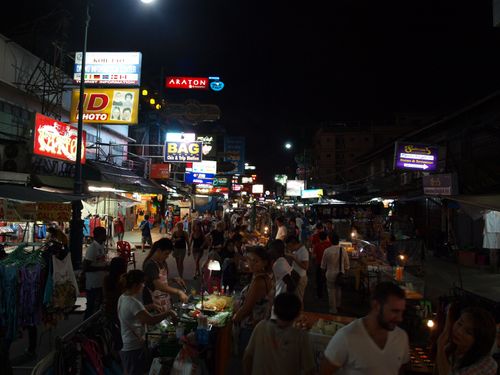
Khao San Road
Attractions
Bangkok’s backpacker carnival: curbside bars, live bands and DJs from 3pm–2am (midnight Sun). Street eats are cheap — pad thai 70–100 THB, mango sticky rice 60–100 THB. Come for wild people-watching; duck into Rambuttri for a calmer beer.
Sukhothai Historical Park
Attractions
Sunrise by bicycle through 13th‑century ruins. Hit Wat Mahathat, island‑set Wat Sa Si, and the giant Buddha at Wat Si Chum. Gates 6:30am–7:30pm; bikes rent 30–50 THB (+small park fee). Go early or at golden hour; weekends draw Thai families and photographers.
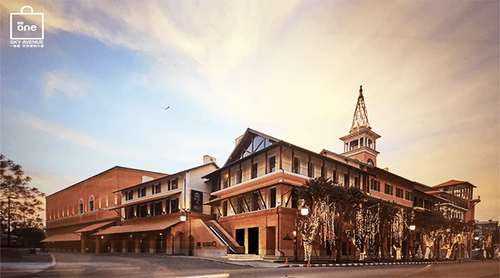
One Nimman
Shops
Brick-arched lanes, a clock tower, indie boutiques, and a lively food hall — One Nimman is Nimman’s photogenic marketplace, right across from MAYA. Best from golden hour to night; open daily 11am–10pm.
More Khao San Road Guides
- Bangkok to Chiang Mai by Self-Drive: Driving Route, Stops, and Road Trip Planning
- Bangkok to Chiang Mai by Rental Car: Road Trip Route, Driving Time, and Stopover Ideas
- Bangkok to Chiang Mai by Self-Drive: Route, Stops, Drive Time, and Road Trip Planning
- Bangkok to Chiang Mai by Private Car or Taxi: Cost, Travel Time, and When It Makes Sense