
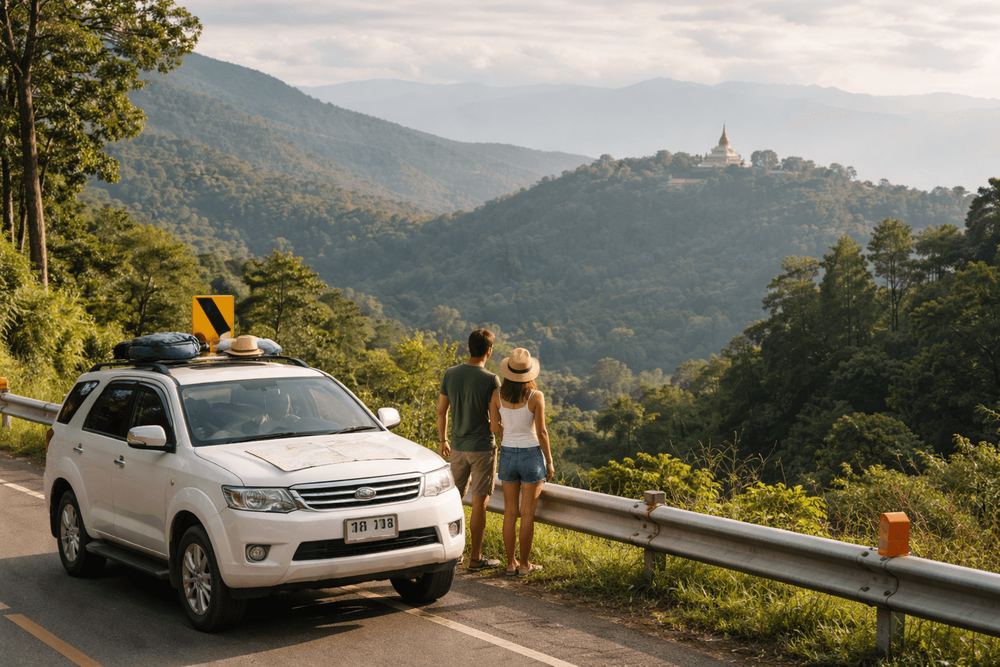
Bangkok to Chiang Mai by Self-Drive: Driving Route, Stops, and Road Trip Planning
Planning a Bangkok to Chiang Mai drive? Here’s our route, real‑world stops, costs, and tips on tolls, traffic, rentals, and rolling into the Old City with ease.
We toss our bags in the trunk just as Khao San’s bars exhale their last bassy thumps and the sky lightens over Phra Athit Road. The AC in the car fights the Bangkok warmth; an iced americano sweats in the cup holder; the {{place:7-Eleven:text}} receipt flutters like a victory flag. This is the Bangkok to Chiang Mai drive—the long, satisfying haul that trades airport queues and bus naps for your own soundtrack and the freedom to pull over when a roadside grill scents the air with kai yang.
Bangkok to Chiang Mai Drive: The Snapshot
- Distance: 680–720 km depending on detours
- Typical drive time: 8.5–10.5 hours wheels‑turning; 10–12 hours with fuel/food breaks; 1–2 days if you build in some sanuk (fun)
- Why drive: flexibility to detour to Ayutthaya, Uthai Thani, Kamphaeng Phet, Sukhothai, Lampang; better access to waterfalls, historical parks, and small‑town food; carry as much fruit as your trunk can handle without worrying about durian rules on buses
If you’re comparing this to flying, the car wins on freedom and scenery; the plane wins on speed. We’ve laid out the transport trade‑offs here if you’re still deciding between modes: Bangkok to Chiang Mai: The Best Ways to Travel.
Main Routes, Highways, and Real‑World Stopovers
The Fastest Spine: Hwy 1 → Hwy 32 → Hwy 1 → Hwy 11
- Out of Bangkok, we usually join Highway 1 (Phahonyothin) via the Tollway or the Outer Ring (Kanchanaphisek), then split onto Highway 32 (Asian Highway) at Bang Pa‑In. Highway 32 is the workhorse—divided, fast, plenty of service stations.
- At Nakhon Sawan you merge back to Highway 1 toward Kamphaeng Phet and Tak, then swing onto Highway 11 at Lampang for the final, curvier push into Chiang Mai.
Segment pacing that feels human:
- Bangkok → Ayutthaya: 1–1.5 hours
- Ayutthaya → Nakhon Sawan: 2–3 hours
- Nakhon Sawan → Tak: 2–3 hours
- Tak → Lampang: 1.5–2 hours
- Lampang → Chiang Mai (Hwy 11): 1.5–2 hours
Driving this spine straight is the quickest Bangkok to Chiang Mai drive. It’s not all concrete: rice paddies mirror the sky, sugarcane trucks lumber like gentle giants, and late afternoon light turns the Ping River country gold.
Detours That Earn Their Kilometers
- Ayutthaya (easy detour): Exit early to cruise island‑city ruins. One temple and a riverside lunch adds ~2 hours net.
- Uthai Thani: A quieter Chao Phraya town with teak houses and photogenic morning markets; barely 30 minutes off Hwy 32.
- Kamphaeng Phet Historical Park: Smaller crowds than Sukhothai, jungle‑wrapped laterite chedis; 20 minutes off Hwy 1.
- Sukhothai (bigger detour): Adds 1–1.5 hours each way from Hwy 1/32 but worth it if you can overnight.
- Khlong Lan Waterfall (near Kamphaeng Phet): A powerful curtain of water; cool spray beats the afternoon heat.
- Lampang: Horse‑carriages, Burmese‑style wats, and excellent khao soi without Chiang Mai prices.
If you want detailed stopover blueprints, we’ve mapped them out here: Bangkok to Chiang Mai with a Stop in Ayutthaya or Sukhothai: Best Route Ideas for a Multi-City Trip.
Fuel, Food, and Toilets You Actually Want to Use
Service stations on Hwy 32 and Hwy 1 are modern and frequent. Look for:
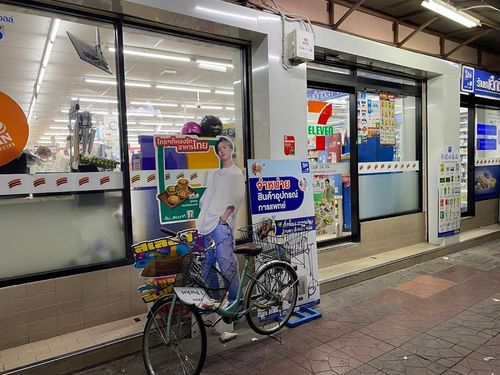
- PTT stations with Amazon Café (solid coffee, 55–85 baht), 7‑Eleven (onigiri, toasties, electrolyte drinks), clean restrooms (often 3–5 baht donation).
- Bangchak and Shell stations with food courts slinging boat noodles (40–60 baht), moo ping skewers (10–15 baht each), and sticky rice.
- Roadside bamboo stalls selling khao lam (sweet sticky rice in bamboo) between Nakhon Sawan and Tak—buy one, whack it open in the parking lot, smell the smoke and coconut.
Fuel cost ballpark for the run: 2,500–4,000 baht depending on vehicle and load (assume 12–15 km/l and petrol/diesel around 35–45 baht/litre). Most pumps take cards; a quick sawadee and a smile goes a long way on busy days.
Sample One‑Day and Two‑Day Plans
- Power day (10–12 hours): Leave Bangkok by 5:30 am to beat the inbound trucks. Coffee at Amazon after Ayutthaya, lunch in Nakhon Sawan (riverside grilled fish), stretch at Kamphaeng Phet Historical Park, gas and tea in Lampang, roll into Chiang Mai before dinner.
- Two easy days: Bangkok → Kamphaeng Phet (stay near the park), morning ruins and a dip at Khlong Lan, lunch in Tak (look for deep‑fried chicken with turmeric), Lampang for coffee and a temple, sunset drive up Hwy 11 into Chiang Mai.
Want an even deeper rental‑car playbook? We cover vehicle choices and pacing here: Bangkok to Chiang Mai by Rental Car: Road Trip Route, Driving Time, and Stopover Ideas.
Driving Conditions in Thailand: What Matters on This Run
Road Quality and Speed
- Highways 32 and 1 are multi‑lane divided for big stretches. Expect occasional construction zones and the classic Thai U‑turn slots—watch for sudden lane changes.
- Speed limits: typically 100–120 km/h on divided highways, 90–100 on undivided, 60 in towns. Enforcement via static cameras and mobile units, especially near Ang Thong, Chai Nat, and before Lampang. When everyone else is doing 120, it’s tempting—don’t be the farang paying on the spot.
Tolls and Paying
- Outside Bangkok the route is essentially toll‑free. You’ll pay on the way out: Expressway/Don Mueang Tollway/Outer Ring segments typically add 80–150 baht depending on ramps. Cash windows still exist; M‑Pass/Easy Pass only helps in Bangkok metro. Keep small notes handy.
Traffic Patterns and When to Leave
- Best departure: pre‑dawn (5:00–6:00 am) or mid‑morning after the city rush.
- Holiday spikes: Songkran (mid‑April), New Year, and long weekends turn Hwy 32 into a parking lot. If you must travel then, split it over two days and book ahead.
- Trucks: Afternoons see more 18‑wheelers; give them space, especially on Hwy 11’s descents into Chiang Mai.
Night Driving and Weather
- Night hazards: poorly lit stretches, sudden dogs, slow farm vehicles without tail lights. If the afternoon monsoon dumps, sit it out with a snack—visibility rebounds quickly after a Thai downpour.
- Rainy season (May–Oct): Short, intense squalls; watch for standing water.
- Cool season (Nov–Jan): Blissful driving, but morning fog near Lampang/Tak can linger.
- Burning season (Feb–Apr) up north: Haze can cut visibility and air quality; check conditions if you’re sensitive.
Rentals, Licenses, Insurance: The Self‑Drive Logistics
Car Types and Costs
- Small sedans and eco cars (1.2–1.5L) are fine for this route: 900–1,500 baht/day.
- SUVs give comfort and clearance if you’re detouring to parks: 1,600–2,500 baht/day.
- Child seats (reserve ahead): 150–300 baht/day.
- Deposits on a credit card are standard: 8,000–20,000 baht depending on class.
If you’d rather be chauffeured and nap through central Thailand, a door‑to‑door transfer can make sense: Bangkok to Chiang Mai by Private Car: When a Door-to-Door Transfer Makes Sense.
Documents You’ll Be Asked For
- Passport and home country driver’s license.
- International Driving Permit (IDP 1949) strongly recommended—police and rental counters may ask; it smooths checkpoints.
- Credit card in the primary driver’s name.
- Minimum age typically 21–23; under‑25 surcharges exist with some agencies.
Insurance, Deposits, and What to Check Before You Roll
- CDW/LDW with deductible (excess) is common. Know your excess (often 5,000–15,000 baht) and whether windscreens/tyres are included.
- Photograph the car: all panels, wheels, interior, fuel level, spare tyre, and tools. Check the dashcam if provided—it’s common in Thailand and helpful for peace of mind.
- Toll policy: Some rentals include a tag and will bill you later; others expect cash at booths.
Navigation, Checkpoints, and Road Etiquette
- Maps: Download offline maps. Google Maps and LINE‑man traffic data are strong on this corridor.
- Police checkpoints pop up, especially near provincial borders. Be polite, windows down, offer license/IDP. Fines are official and should come with a receipt; avoid paying “on the spot” unless directed to the checkpoint desk.
- Lane discipline: Left lane is for cruising, right for overtaking. Indicators are suggestions for some drivers—anticipate, and you’ll be fine.
For deeper nuts‑and‑bolts on vehicle choice and budgeting, bookmark this: Bangkok to Chiang Mai by Self-Drive: Route, Costs, and Who It Suits.
Getting Out of Bangkok: Where to Join the Highway
- From the Old City/Khao San area, the simplest escape is to aim for Phahonyothin Road via the Rama VI Bridge or the expressway network toward Don Mueang. Early starts help you float through while the sois nap.
- If you’re staying riverside near the Chao Phraya, skirt north via Charan Sanitwong to link to the Outer Ring Road (Kanchanaphisek) and merge onto Hwy 1 or 32 cleanly.
- Watch out for motorcycles filtering everywhere—this is Bangkok. A tuk‑tuk can slalom; we can’t.
Rolling into Chiang Mai: Arrival, Parking, and Day Trips
City Driving Basics
Chiang Mai feels like an exhale after the highway. The Old City is a square island ringed by a moat and one‑way roads—clockwise outside, counter‑clockwise inside. Sunday Walking Street will shut Ratchadamnoen Road; avoid Old City parking on market evenings unless you love dead‑slow crawling.
- Parking: Inside the moat, small guesthouses offer a few spots; outside the moat (Nimman, Santitham, Chang Phuak) street parking and small lots are easier. Expect 20–40 baht/hour in private lots; many cafés will validate if you buy a drink.
- Watch the sois: They can be tight, with sudden blind corners and songthaews (red trucks) stopping anywhere.
Where We Like to Sleep (No Names, Just Strategy)
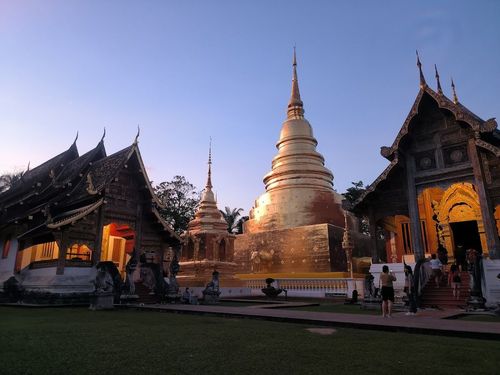
- Old City, south/west moat: Walkable to temples like Wat Phra Singh Woramahawihan, quiet enough to sleep, and you can usually snag free parking if you arrive mid‑afternoon.
- Nimman: Trendy coffee and late‑night dessert, easier street parking, a good base if you’re planning the Samoeng Loop.
- Riverside (Wat Ket/Charoenrat Rd): Leafy vibes, river breezes, boutique stays with small lots; you’ll cross bridges for the Old City but it’s mellow.
We usually book a place with a pool for that post‑drive plunge; after 700 km and a layer of highway dust, slipping into the water feels like a reset button.
Day Trips That Sing When You’ve Got Wheels
- Doi Suthep and the backroads: Sunrise run to Wat Phra That Doi Suthep, then keep going to the Hmong village and loop to Huay Kaew for coffee. Tight bends; go early.
- Samoeng Loop: 100‑km ring west of town through Mae Sa Valley—waterfalls, strawberry farms in cool season, and roadside khao soi shacks. 3–5 hours depending on photo stops.
- Bua Thong “Sticky” Waterfall: 1.5 hours northeast. The mineral grip lets you climb the waterfall like a gecko. Great picnic spot.
- Doi Inthanon: Thailand’s highest peak, cool air, mossy trails. 2 hours each way; watch for fog and tour vans on weekends.
- Chae Son National Park (Lampang side): 1.5 hours via Hwy 118/1035. Hot springs and forested walks; combine with Lampang noodles.
Costs, Safety, and the Stuff No One Mentions
- Total one‑way self‑drive budget (rough): fuel 2,500–4,000 baht + expressway exits 80–150 baht + snacks/meals 300–800 baht/person + rental 900–2,500 baht/day + optional hotel if breaking the trip.
- Heat management: The cabin will chill fast, but when you step out at a midday PTT, the wall of heat hits like opening a steamer. Hydrate, and keep electrolyte drinks handy.
- Scams and “helpers”: At popular ruins car parks, friendly “guides” may wave you into spots and ask for a fee. Official lots post rates or are free; trust the signs.
- Wildlife: Mostly dogs and monitor lizards sunning near canals (khlongs). Slow for the strays; they own the shoulder.
Quick Reference: Know Before You Go
- Best departure: 5:00–6:00 am, weekdays if possible.
- Documents: Passport, home license, IDP (1949). Keep copies in the glovebox.
- Fuel: Fill in Bangkok and again around Nakhon Sawan or Kamphaeng Phet.
- Cash: Keep small bills/coins for tolls, toilets, and roadside fruit.
- Navigation: Offline maps for dead zones; power bank for your phone.
- Music/Podcasts: Download before you roll; radio fades north of Chai Nat.
- Night driving: Avoid unless you’re fresh. Trucks nap in the left lane with hazards on; some don’t.
- Rain plan: If sheets of rain turn the road into a mirror, pull into the next service station, order hot o‑liang (Thai iced coffee without ice), and wait 15 minutes. Thailand’s storms are dramatic but brief.
We’ll be honest: a Bangkok to Chiang Mai drive is not the fastest way north. But it’s the way that lets us chase a rumor of perfect boat noodles in Lampang, stop for smoky khao lam when the stall lady waves, detour for a waterfall because the sky went blue, and pull into Chiang Mai at golden hour with the mountains ahead and tomorrow completely ours.
Related Hotels & Places
More Khao San Road Guides
- Bangkok to Chiang Mai by Self-Drive: Route, Stops, Drive Time, and Road Trip Planning
- Bangkok to Chiang Mai by Self-Drive: Route, Costs, and Who It Suits
- Bangkok to Chiang Mai by Car: Driving, Fuel, Stops, and When It Makes Sense
- Bangkok to Chiang Mai by Rental Car: Road Trip Route, Driving Time, and Stopover Ideas