How to Buy Tickets for Wat Pho, the Grand Palace, and Golden Mount: Entry Fees, Payment Tips, and What to Expect at the Gates
Real-world ticket tips for Bangkok’s big temples: prices, payment, dress code, scams to avoid, and the best order to tackle Wat Pho, the Grand Palace, and Golden Mount.
The incense is already curling into the morning heat when we step off the Chao Phraya Express at Tha Tien, sweat beading under the brim of a cheap McDonald's cap, tuk-tuks prowling Na Phra Lan Road like neon beetles. This is where Bangkok’s big temple day begins, and this bangkok temple ticket guide is the no-nonsense, hand-holding truth about what it costs, where to pay, and how to glide past the small hassles that snag first-timers.
Bangkok Temple Ticket Guide: Prices and Payment at the Big Three
Let’s anchor the day around the heavy hitters: the The Grand Palace (Wat Phra Kaew), Wat Pho, and the Golden Mount (Wat Saket). These are the ones where we’ll for sure pull out the wallet, and the gates can feel intimidating if you don’t know the drill.
The Grand Palace (Wat Phra Kaew)
- Typical entry fee: about 500 baht for foreigners
- Hours: usually 8:30–15:30 (last entry around 15:30); closures happen for royal events
- Payment: cash is safest; card acceptance comes and goes depending on the window and the Wi‑Fi gods
- What’s inside: the Emerald Buddha temple, palace grounds, and museum spaces noted on your ticket stub
- Photo rules: no photography inside the Emerald Buddha hall; remove hats, be quiet
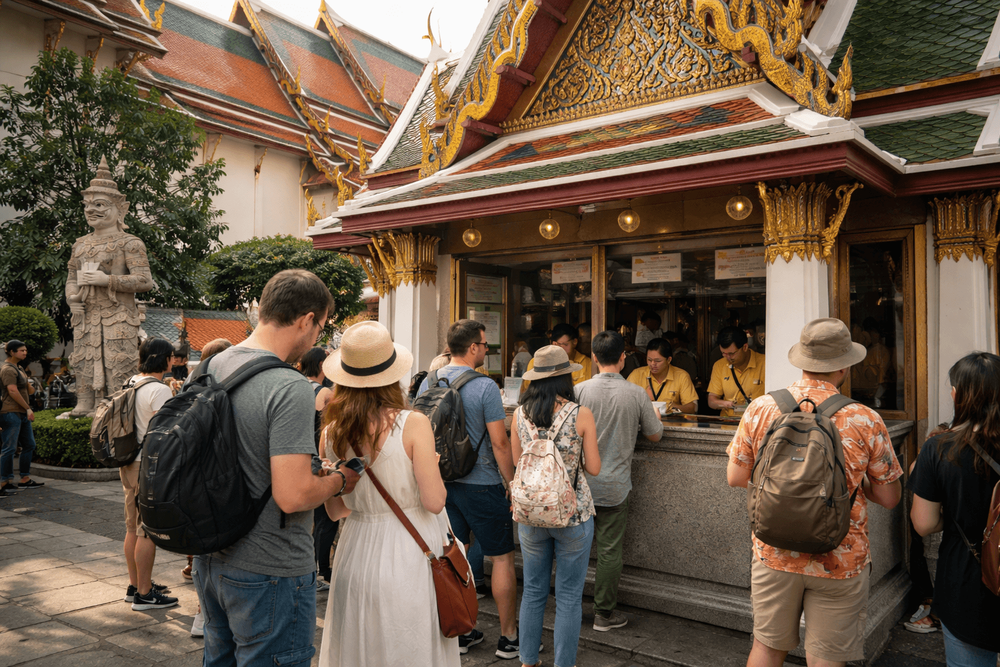
What to expect: We follow the crowd along Na Phra Lan Road to the official entrance, ignore anyone outside saying “Palace closed,” and head straight for the signed ticket windows. Expect bag checks and a short shuffle through security. If we’re here before 9:30, queues tend to be 5–20 minutes; by late morning, it can be 30–60 minutes, especially on weekends and holidays.
Insider move: If we’re basing near Khao San or Soi Rambuttri, we hit the Palace first. Heat is a tax; pay it early.
Wat Pho (Temple of the Reclining Buddha)
- Typical entry fee: about 200 baht for foreigners (includes a small bottle of water at times)
- Hours: roughly 8:00–18:30
- Payment: mostly cash; some windows accept Thai QR (PromptPay)
- Photo rules: respectful photos allowed around the Reclining Buddha, but it gets shoulder-to-shoulder at peak times; no tripods in main halls
What to expect: The ticket windows are right inside the gate near the reclining Buddha hall; we slip off our shoes at the door and pad across cool tiles while fans whir and the bronze toes gleam like candied fruit.
Optional extra: The Wat Pho massage pavilions post prices at the door. If our legs are jelly after the Palace, a quick foot massage (from around 320–600 baht depending on length) is pure sanuk.
Golden Mount (Wat Saket)
- Typical entry fee: about 100 baht for foreigners
- Hours: often 7:00–19:00; festival nights can run later
- Payment: cash at the base stair gate
- Photo rules: photos are fine on the way up and on the rooftop terrace
What to expect: Bells and gongs line the 300-ish steps as we spiral up, the city’s hum falling away with each turn. Late afternoon light here is butter on the rooftops of Rattanakosin.
Don’t Skip: Wat Arun (Temple of Dawn)
- Typical entry fee: about 100 baht for foreigners
- Hours: roughly 8:00–18:00
- Payment: cash at the riverside gate
What to expect: Cross the river from Tha Tien (ferry ~5 baht, cash) and pay at the ticket booth inside the compound. Climbing the steep central prang is allowed when open; hold the railing and move slow.
Free vs Paid Temples: What Costs What (and the Sneaky Exceptions)
Bangkok’s wats run the gamut from big-ticket icons to serene, free neighborhood temples where the only price is a quiet mind.
Paid or mostly paid:
- Grand Palace / Wat Phra Kaew: the top-tier ticket in town; museum spaces sometimes included on the same day
- Wat Pho: paid entry, massage extra
- Wat Arun: paid entry; occasional extra fee for special areas if posted
- Wat Traimit (Golden Buddha): small fees for shrine and/or adjoining museum spaces; signs at the gate explain what’s included
- Wat Suthat and the Giant Swing area: a posted foreigner fee is typical; worth it for the airy ubosot and hand-painted murals
Donation-based or free (with caveats):
- Loha Prasat (Metal Castle) at Wat Ratchanatdaram: typically a small donation requested (20–50 baht)
- Wat Ratchabophit and smaller local wats around Banglamphu: usually free to enter; drop a few coins in the donation box if we linger or take photos
- Ordination halls (ubosots) at many temples: free but sometimes closed during ceremonies; shoes off and silence always
Common exceptions:
- Museums and special exhibits inside temple grounds might have a separate fee or a posted donation
- Photography may be restricted in ordination halls with active worship; watch for the crossed-camera sign
- Certain chedis or galleries can be shut during restoration—scaffolding is the unofficial city flower
How to Buy Tickets, Dodge Scams, and Dress Right
Buying is usually dead simple: find the official gate, look for the cashier windows with printed prices, and queue. What complicates things are the touts and the dress code.
Ticket-buying steps we actually follow:
- Walk past anyone telling us the temple is closed; this classic line is bait for overpriced “city tours.” The Grand Palace is rarely closed all day.
- Head to the signed ticket windows. Prices are posted in English and Thai.
- Pay in cash if possible. Most windows will break 500s; 1,000s early in the morning can be a pain. Keep small bills handy.
- Grab the stub and check what’s included—museum entries and same-day re-entry rules are sometimes printed on the ticket.
Payment notes:
- Cash wins. Some spots accept cards or QR PromptPay, but terminals go down, and foreign cards can hiccup.
- ATMs cluster along Na Phra Lan Road and around Tha Tien/Tha Chang Bangkok piers; fees for foreign cards apply.
Dress code in the real world:
- Shoulders and knees covered for all genders. No ripped denim, no see-through fabrics, no crop tops.
- Shawls over tank tops usually won’t cut it at the Grand Palace. Think lightweight trousers or a long skirt and a T‑shirt.
- Shoes off in every main hall; thin socks save us from hot tiles.
- Sarong or pants rental/sales are often available just inside big gates, typically from 50–200 baht. Bring your passport as a deposit at some counters.
If you want a deeper breakdown of what flies and what doesn’t, our full dress rundown is here: Bangkok Temple Run Ticket and Dress Code Guide: Fees, Passes, and What to Wear for Wat Pho, Grand Palace, and Golden Mount.
Scams and small hassles to sidestep:
- “Closed today” scam near the Grand Palace: keep walking to the official entrance. The guards in brown or green uniforms are the only voices to heed.
- 20-baht tuk-tuk city tour: sounds fun, ends at gem shops. If we want a tuk-tuk, we agree a fair price up front (60–150 baht for short hops around Rattanakosin) and go direct.
- Unofficial guides: licensed guides have badges and work inside the Grand Palace after the ticket check. If hiring, agree the rate and duration before starting.
Best times to visit:
- Grand Palace first thing (8:30–9:30) or right after lunch when tour groups thin
- Wat Pho late morning or around 4 pm for softer light and cooler cloisters
- Golden Mount at golden hour for skyline magic
- Avoid major Buddhist holidays and late Saturday mornings unless we love crowds
We’ve also put together a time-and-queue game plan if you want a step-by-step from Khao San: Bangkok Temple Run for First-Time Visitors: Tickets, Hours, and Time-Saving Tips for Wat Pho, Grand Palace, and Golden Mount.
Getting There from Khao San, the River, and the MRT
From Khao San Road/Soi Rambuttri:
- Walk 20–25 minutes to the Grand Palace along Ratchadamnoen Avenue and Na Phra Lan Road. Shade is scarce; start early.
- River route: from Phra Arthit Pier, take the Orange Flag boat to Tha Chang (for Grand Palace) or Tha Tien (for Wat Pho). Fares usually 16–20 baht; pay on board in cash.
- Cross-river ferry between Tha Tien and Wat Arun: about 5 baht, cash at the small booth.
- Tuk-tuk or taxi: negotiate tuk-tuks before boarding; metered taxis start around 40 baht flagfall. Grab rideshare is an option if traffic isn’t a parking lot.
From the MRT:
- Sanam Chai Station spits us out a short walk from Wat Pho and the Museum of Siam area—gloriously cool AC break included. MRT fares usually 16–42 baht depending on distance.
Where we crash between temple runs:
- Around Soi Rambuttri and Phra Athit Road, we aim for a spot with a pool—coming down from Golden Mount into a chlorinated embrace is bliss. Even if we go budget, we try to snag somewhere with decent shade and a fan that actually moves air.
Budget Planning for a Temple-Hopping Day
There’s no single magic pass that covers the big three. Here’s how we pencil the day out from Khao San/Old Town.
Likely spends per person (give or take):
- Grand Palace: ~500 baht
- Wat Pho: ~200 baht
- Golden Mount: ~100 baht
- Wat Arun (if adding it): ~100 baht + ~5 baht ferry
- Boats: 16–20 baht per Orange Flag hop; 5 baht cross-river ferry
- Tuk-tuk short hops: 60–150 baht (total per ride, not per person)
- Water: 10–15 baht at 7-Eleven; 20–30 baht at temple kiosks
- Optional massage at Wat Pho: from ~320–600 baht depending on length and style
- Dress fixes (sarong/pants rental or purchase): ~50–200 baht
Money-saving logic that actually works:
- Group your river crossings. Do Grand Palace → Wat Pho on the east bank, then cross once for Wat Arun, not back-and-forth.
- Drink big water from 7-Eleven before you enter—kiosks inside can be double.
- Pick one “paid add-on” per day (massage, museum, coffee with AC) and own it; otherwise the nickels become a pile.
Combo tickets and add-ins:
- The Grand Palace ticket often includes museum entries listed on the stub (like the textile museum). There isn’t a universal temple combo, and Wat Pho/Wat Arun are separate.
- The Chao Phraya tourist boat sells day passes, but we usually ride the Orange Flag locals for 16–20 baht a pop. If you’re bouncing piers all day, a day pass might pencil out—otherwise pay per ride.
If you’re tuning the baht down to the last coin, we’ve mapped out more line items here: Bangkok Temple Run Budget Guide from Khao San Road: Tickets, Transport, and Cheap Day Planning.
Common Questions at the Gate
Do we need to book tickets online?
- For Wat Pho, Wat Arun, and Golden Mount: no. Walk up and buy. For the Grand Palace: walk-up is still the norm; just arrive early and be patient.
Can we pay by card?
- Sometimes at the Grand Palace, occasionally elsewhere. Treat it as a bonus, not a plan. Cash will keep us moving.
Are guided tours worth it?
- If we want context in the Grand Palace, a licensed guide inside can be great for 60–90 minutes. Ask to see the badge, agree on a price and exact route, and stick to the official areas.
What about photos and drones?
- No photos inside the Emerald Buddha’s hall. Elsewhere, respect signs and worshippers, skip flash, and pack the tripod away in main ordination halls. Drones are a hard no around royal precincts.
How long are the queues?
- Grand Palace: 5–20 minutes if we’re in just after opening; 30–60 minutes late morning/early afternoon in high season. Wat Pho/Wat Arun: usually 5–15 minutes to buy a ticket and step in. Golden Mount: usually a rolling entry with a quick pay-and-go.
What should we wear in the heat?
- Light trousers or a long skirt, breathable tee, hat, and a sarong in the daypack. Closed shoulders, covered knees, and shoes easy to slip on and off. Bring a small packable towel.
Is there anywhere to chill between temples?
- Plenty of cafes along Maharat Road near Tha Tien, AC arctic blasts at Sanam Chai MRT, and shaded benches in Saranrom Park. We also keep an eye out for breezy riverside spots on Phra Athit Road.
Where should we start and end the day?
- Our favorite loop from Khao San: Grand Palace at opening → Wat Pho late morning → ferry to Wat Arun after lunch → taxi or tuk-tuk to Golden Mount for sunset → dinner on Phra Athit or Soi Rambuttri with the bass thudding back on Khao San if we’ve got gas left in the tank.
If you want more strategy (including dress code pitfalls and the order that saves your feet), we pulled it together here: Temple Pass Tips for Bangkok: Tickets, Dress Rules, and Queue Strategy for Wat Pho, the Grand Palace, and Golden Mount.
Know Before You Go: Tiny Things That Save the Day
- Carry small bills. Ticket windows will make change, but breaking 1,000s before 9 am is a mood killer.
- Mind your pockets on packed piers and around busy gates; it’s not Paris-on-the-Seine levels, but sanuk doesn’t include losing a phone.
- Hydrate like a champ. Electrolyte drinks from 7‑Eleven cost a few baht more than water and can salvage an afternoon.
- If we’re staying anywhere near Soi Rambuttri, we love a place with a midday pool dip—those tiles under our feet at Wat Pho get to egg-frying temps.
- Keep a respectful volume in temple precincts. Even the most touristy wats are active places of worship.
Bangkok rewards the curious—and the prepared. Hit the gates early, cash in pocket, shoulders covered, and we’ll float from cloister shade to river breeze like locals who’ve cracked the code. We’ll see you at Tha Tien when the Orange Flag pulls in and the crew whistles us aboard.
Related Hotels & Places
Khao San Road
Attractions
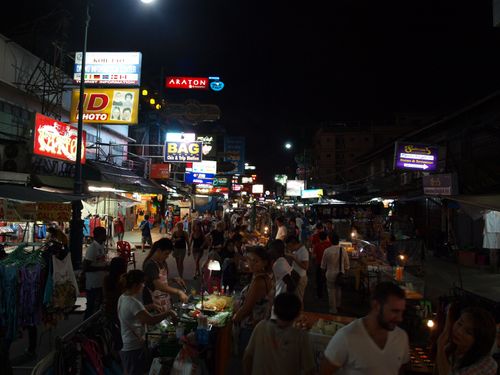
Bangkok’s backpacker carnival: curbside bars, live bands and DJs from 3pm–2am (midnight Sun). Street eats are cheap — pad thai 70–100 THB, mango sticky rice 60–100 THB. Come for wild people-watching; duck into Rambuttri for a calmer beer.
Wat Phra Kaew
Temples
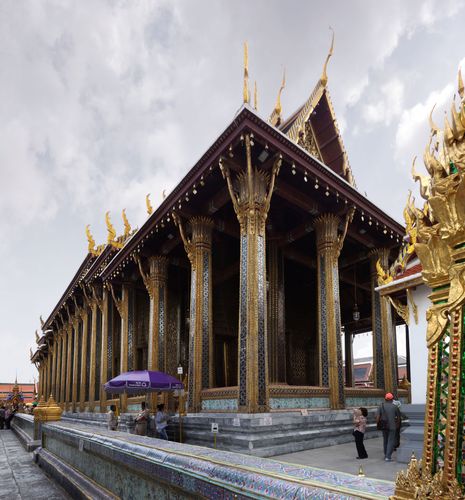
Bangkok’s holiest temple inside the Grand Palace. Go early (8:30am–3:30pm). Buy the 500 THB ticket at Na Phra Lan Rd gate. Dress code enforced. Marvel at Ramakien murals and the tiny Emerald Buddha whose robes change with the seasons. 10–15 minutes’ walk from Khao San.
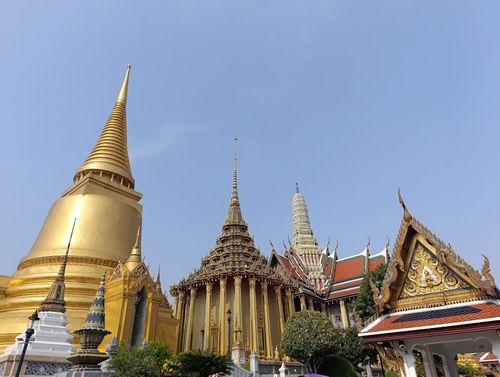
The Grand Palace
Attractions
Bangkok’s royal showpiece a short hop from Khao San: glittering Wat Phra Kaew, Ramakien murals, and gold-on-gold rooftops. Go 8:30am to dodge the heat, dress modestly, and boat to Tha Chang for the prettiest arrival.
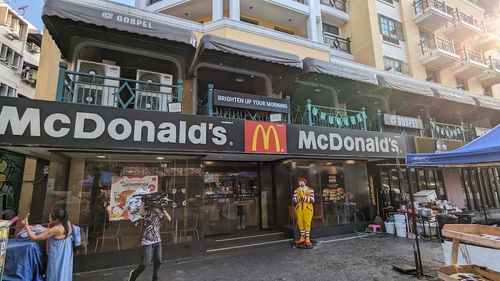
McDonald's Khaosan Road
Restaurants
Khao San’s reliable late-night fix. Burgers, fries and spicy McWings served till 4am daily — ideal post-bar fuel. Streetfront on Thanon Khao San; quick counter service and takeaway. Last checked Mar 2026.
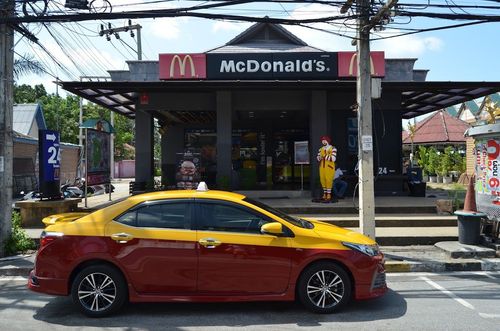
McDonald's
Restaurants
Late-night fries on Khao San’s main strip. Open daily 11am–4am, this McD’s is the go-to post-party refuel: fast AC, quick service, familiar menu. Grab a burger and dive back into the chaos.
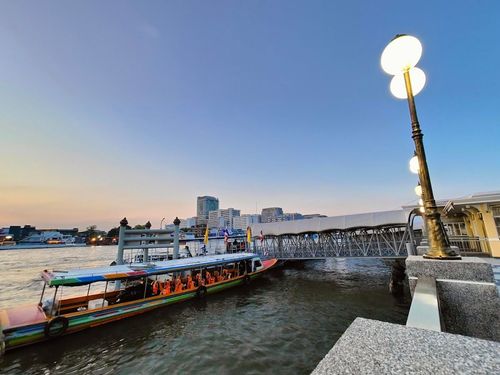
Tha Chang Bangkok
Bars
Bar on Khao San Road.
More Khao San Road Guides
- Bangkok Temple Entry Fees, Tickets, and What You Actually Pay at Wat Pho, the Grand Palace, and Golden Mount
- Bangkok Temple Run Ticket Strategy: Fees, Opening Hours, and What to Buy First at Wat Pho, the Grand Palace, and Golden Mount
- Temple Pass Tips for Bangkok: Tickets, Dress Rules, and Queue Strategy for Wat Pho, the Grand Palace, and Golden Mount
- Bangkok Temple Fees, Donations, and Ticket Rules: What to Budget for Wat Pho, the Grand Palace, and Golden Mount