Bangkok Temple Entry Fees, Tickets, and What You Actually Pay at Wat Pho, the Grand Palace, and Golden Mount
Real-world costs for Bangkok temple entry fees — what you’ll pay at Wat Pho, the Grand Palace, and Golden Mount, plus extra charges and budget tips.
We step off the Chao Phraya Express at Tha Tien and the heat smacks us like opening an oven. Grilled squid smoke curls over the pier, a monk glides past in saffron, and a small white sign by the gate whispers the words every traveler learns fast: "Foreigners: 200 baht." Welcome to the reality of Bangkok temple entry fees — not a rip-off, not a bargain bin, just the cost of stepping into centuries of gold leaf and incense.
Here’s what we actually pay around town, what the ticket includes, and how to dodge the little extras that nibble your budget like soi cats.
Bangkok Temple Entry Fees: What You’ll Pay (and What’s Free)
Bangkok temple entry fees range from free (yep, free) to 500 baht for the granddaddy of them all. A quick lay of the land:
- Free (฿0): Most neighborhood wats are free to enter the grounds and often the main hall (ubosot) when it’s not in ceremony. You’ll see donation boxes near the door — toss in 20–50 baht if you take photos or linger; it’s good karma and good manners.
- Small/less-visited temples: Often free or a token 20–50 baht for certain shrines, murals, or museum rooms. It’s inconsistent; think of it as a tip jar with a suggested number.
- Major temples: Expect 100–200 baht. This typically covers the full complex (courtyards, ordination hall, key chedis). Wat Pho and Wat Arun fall in this bracket most years.
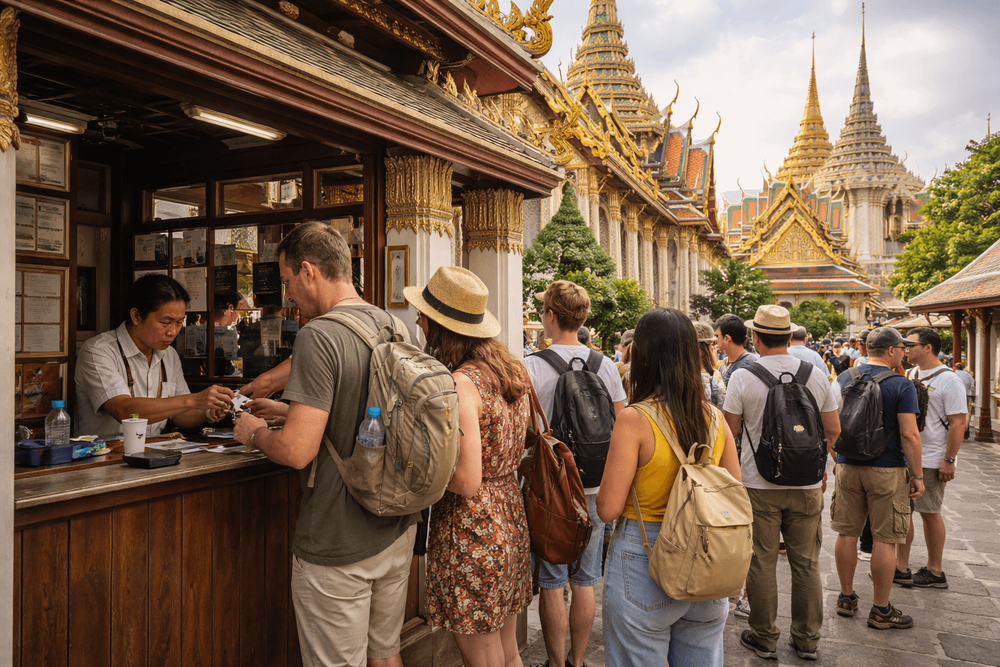
- The Grand Palace & Wat Phra Kaew: Around 500 baht for foreigners. It’s the priciest ticket in town because you’re paying for the royal complex and the Temple of the Emerald Buddha together.
A note on dual pricing: You’ll see different prices for Thai nationals and foreigners. This is normal here; don’t let it sour the sanuk. We’re still getting a deal for a few hours among million-baht murals.
What about Wat Pho, the Grand Palace, and Golden Mount right now?
- Wat Pho (Reclining Buddha): Usually in the 200 baht range. It often includes a small bottle of water — a nice touch when the midday sun turns the marble to a griddle.
- Grand Palace & Wat Phra Kaew: Expect about 500 baht. Strict dress code, vast grounds, and it can get packed by 10 AM.
- Golden Mount (Wat Saket): Typically around 100 baht for the climb and the breezy 360-degree views at the top. During festival weeks (like Loy Krathong), hours and access can shift.
Prices can change without ceremony. For current specifics — including last entry times — we keep this handy: Bangkok Temple Fees, Opening Hours, and Last Entry Times for Wat Pho, the Grand Palace, and Golden Mount.
The Extras No One Tells You About (But We Will)
Temple tickets aren’t the whole story. It’s Bangkok; the little add-ons are everywhere, like the sweet rot of durian that finds you even when you’re not looking.
Dress code workarounds: sarongs, pants, and deposits
Most major temples enforce a dress code: shoulders covered, knees covered, midriffs out of sight. Grand Palace is strict; Wat Pho and Wat Arun are firm but friendlier.
- Rentals: On-site sarong or shawl rentals typically run 50–200 baht, sometimes with a refundable deposit (100–200 baht) if you return it intact. Lines can be slow.
- Buying instead of renting: Street vendors outside will quote 150–300 baht for elephant-print pants or scarves. Haggle politely or duck into a 7-Eleven for cheap leggings or light trousers (often 129–199 baht) and skip the rental queue.
Audio guides, tours, and “helpful” strangers
- Audio guides/tours: At the big sites, expect 200–400 baht for an audioguide or 200–600 baht per person for a short guided walk. Worth it if you love art history. Keep your passport to yourself; ask to leave a cash deposit instead if required.
- “Palace is closed” scam: Around Sanam Luang, friendly tuk-tuk drivers will swear the Grand Palace is shut and offer a “special temple tour.” It isn’t. Check the gate sign, not the curbside chatter.
Special exhibits and museum rooms
- Grand Palace tickets often include additional museum areas when open; you won’t always notice without reading the fine print on your stub. If you’re keen, scan the inclusions before you leave.
- Wat Pho’s massage school is extra if you want the real deal — expect a few hundred baht for a 30–60 minute session. Your calves will thank you after looping the city.
Offerings and blessings
Incense, candles, gold leaf, and lotus bundles near the shrines typically cost 20–40 baht. Donations are voluntary; there’s no fixed “fee” to pray or receive a light blessing.
Ferries and little hops
- Cross-river ferry to Wat Arun from Tha Tien: 5–10 baht each way. It’s noisy, quick, and pure Bangkok.
- Express boat (Orange Flag) along the Chao Phraya: around 16–20 baht per ride. We usually hop on at Phra Athit Pier near Khao San and float down instead of sweating in gridlock.
Water, sun, and other creature comforts
- Water: 10–20 baht at street carts; double inside temple grounds. Bring a bottle and refill at your hostel if you can.
- Sun cover: A cheap umbrella does double duty against the noon blaze and sudden downpours. Sunglasses and a hat will save your sanity.
- Footwear: You’ll be slipping shoes on and off at sanctuaries. Wear sandals with good grip or sneakers you don’t mind unlacing all day.
Budgeting Your Temple Day Like a Local
We love a temple run that feels rich without torching the wallet. Here’s how we plan it.
Cash rules, but cards creep in
- Small notes win: Bring 20s and 50s for offerings, ferries, and sarong rentals. ATMs spit out 1,000s; break them at a café or 7-Eleven first.
- Cards and QR: The Grand Palace and some big wats sometimes accept cards or Thai QR payments, but never bank on it. Wi‑Fi hiccups are a Bangkok constant.
Do fees change by season?
Not usually. Prices shift with policy updates, renovations, or special events, not monsoon versus dry season. What does change: opening hours, last entry times, and which halls are accessible on Buddhist holidays or royal ceremonies. For the nitty-gritty of what’s open when, bookmark this: Bangkok Temple Run Essentials: Tickets, Opening Hours, and Entry Rules for Wat Pho, the Grand Palace, and Golden Mount.
Timing is a money-saver (and sweat-saver)
- Go early: Doors around 8:00 AM mean cooler courtyards and shorter photo lines. By 11:00 AM the marble radiates heat you can feel through your flip-flops.
- Stack smart: Hit Wat Pho first, walk or ferry to Wat Arun, then tuk-tuk or ride-share to Golden Mount as the shade stretches. If you plan the Grand Palace, do it first thing and fuel up after.
Getting between temples without burning baht
- Boats beat traffic from Khao San: From Soi Rambuttri, we cut to Phra Athit Pier and take the Orange Flag to Tha Tien (Wat Pho/Wat Arun access) for loose change.
- Tuk-tuk reality: Fun for a short hop (say, 100–150 baht nearby), but confirm the price before you sit. If the quote feels spicy, smile and walk away.
- Grab/Bolt: Air-con and straight to the gate. Prices spike in downpours, so watch the sky.
What to wear so you skip the rental lines
- Knees and shoulders covered. Light pants or a long skirt, T-shirt with sleeves. Keep a thin scarf in your daypack for backup.
- Temple floors get slick during rains. Grippy soles help when you’re climbing the Golden Mount’s steps.
For a full breakdown of what each stop can cost from the Khao San area — boats, water, the lot — we keep this page handy: Bangkok Temple Run on a Budget: What You’ll Spend on Tickets, Transport, Water, and Donations from Khao San Road.
Fee-by-Fee: Wat Pho, the Grand Palace, and Golden Mount
Let’s zoom in on what you get for your baht at the big three most travelers tackle in one day.
Wat Pho (Temple of the Reclining Buddha)
- Typical entry fee: About 200 baht for foreigners.
- What’s included: Full access to the complex — the 46-meter-long Reclining Buddha, cloisters with hundreds of Buddha images, mural-rich halls, and a garden of chedis glinting like dragon scales. Often includes a small water.
- Vibe: Quieter than the Grand Palace if you arrive early. The sizzle of a nearby wok carries into the courtyards; cats nap in the shade of the Sala trees.
- Extras: Traditional Thai massage at the on-site school is a worthy splurge. Budget a few hundred baht.
The Grand Palace & Wat Phra Kaew (Temple of the Emerald Buddha)
- Typical entry fee: Around 500 baht for foreigners.
- What’s included: The royal complex, the Emerald Buddha temple, manicured lawns, galleries of Ramakien murals, and usually access to select museum areas when open. Plan 2–3 hours; shade is precious, water is essential.
- Dress code: Strict. No shorts above the knee, no sleeveless tops, no ripped jeans. Expect enforcement at the gate.
- Reality check: Crowds, yes. Scams outside, yes. But inside, the scale and detail are jaw-dropping. If you only pay for one big ticket, this is the one.
Golden Mount (Wat Saket)
- Typical entry fee: Around 100 baht for the staircase climb and summit terrace.
- What’s included: A spiraling path with bells to ring for luck, breezy viewpoints over the Old City rooftops, and a shrine hall at the crown. During temple fairs, expect extra stalls and more people — still fun, just louder.
- Tip: Late afternoon is magic. We watch the sun drop behind Rattanakosin while the city hums to life, then wander down to Phra Athit for dinner.
For side-by-side details on costs and opening times at these three icons, this breakdown helps you plan your order and budget: Bangkok Temple Fees, Donations, and Ticket Rules: What to Budget for Wat Pho, the Grand Palace, and Golden Mount.
And a quick word on Wat Arun
- Typical entry fee: Usually 100–200 baht to access the central prang area.
- Don’t forget: The 5–10 baht ferry from Tha Tien is separate. Sunrise lights those porcelain mosaics like fireworks.
What Your Ticket Usually Includes (and Doesn’t)
Includes:
- Access to temple grounds and main halls as allowed that day
- Photo permissions outdoors (many interiors are no-flash or no-photo)
- Occasional water bottle (Wat Pho often; others vary)
Doesn’t include:
- Dress rentals or clothing purchases
- Guided tours, audioguides, or special exhibitions not listed on the ticket
- Offerings, incense, or blessings
- Cross-river ferries or boat fares
Know Before You Go: Practicalities That Save You Baht
- Bring cash and small bills. ATMs are common; moneychangers less so around Golden Mount.
- Respect the space: Shoes off where indicated, keep voices down in active prayer areas, and skip posing with your back to a principal Buddha image.
- Hydrate like a champ. We freeze a water bottle overnight when we can; it melts just in time for the walk from Wat Pho to Tha Tien.
- Toilets: There are clean-ish facilities within major temples, often near the ticket gate. A pack of tissues costs 10 baht and will feel like a royal decree when you need it.
Where We Base Ourselves (So We Can Walk More, Pay Less)
Around Khao San Road and Soi Rambuttri, we can roll out of bed, grab a 20-baht Thai iced tea, and be at Phra Athit Pier in minutes. In the Old City, we favor stays with decent AC, an early breakfast, and a quiet-enough soi for sleep. If a pool is in the budget, even better — nothing beats a plunge after the Grand Palace heat. If you’re closer to Sathorn or Silom, the river boat still makes temple-hopping easy and cheap.
How to Check Current Prices (and Avoid Misunderstandings)
- Read the gate sign, not a blog post from last year. Ticket boards list the price and last entry time clearly.
- Official channels: Many temples update their Facebook pages for closures or special events. Search the temple name in English and Thai if you can (Wat Pho = วัดโพธิ์; Wat Saket = วัดสระเกศ; Wat Arun = วัดอรุณราชวราราม).
- Don’t overpay for “combined tickets” sold outside gates. Buy from the official counter only.
- Ask a second time if something feels off. A quick “tao-rai krub/ka?” (how much?) at the booth settles most confusions.
If you want a step-by-step plan for stacking tickets, transport, and timing across the big three, we put our favorite sequence here: Bangkok Temple Run Ticket Strategy: Fees, Opening Hours, and What to Buy First at Wat Pho, the Grand Palace, and Golden Mount.
Sample Day Budget (Old City Loop)
- Wat Pho ticket: ~200 baht
- Ferry to Wat Arun: 5–10 baht each way
- Wat Arun ticket: ~100–200 baht
- Tuk-tuk to Golden Mount: 100–150 baht (or walk 20–25 minutes if it’s not noon)
- Golden Mount ticket: ~100 baht
- Water + iced coffee + snacks: 60–120 baht
- Sarong rental or cheap pants (if needed): 50–200 baht
Call it 600–1,000 baht for a very Bangkok day that fills your camera and empties your sweat glands. Add the Grand Palace (500 baht) if you’ve got the time and the stamina.
We’ll be the ones ducking into a 7-Eleven for that blessed AC blast between stops, then chasing sunset from the Golden Mount terrace. If tomorrow’s plan is temples again, we won’t complain — there’s always another gilded corner we missed today.
Related places
Wat Arun Ratchawararam Ratchawaramahawihan
Temples
Wat Phra Kaew
Temples
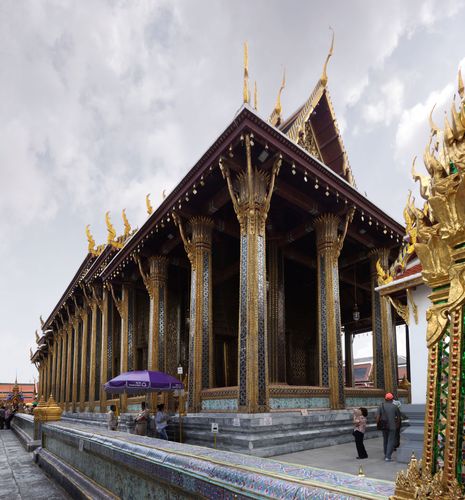
Bangkok’s holiest temple inside the Grand Palace. Go early (8:30am–3:30pm). Buy the 500 THB ticket at Na Phra Lan Rd gate. Dress code enforced. Marvel at Ramakien murals and the tiny Emerald Buddha whose robes change with the seasons. 10–15 minutes’ walk from Khao San.
The Grand Palace
Attractions
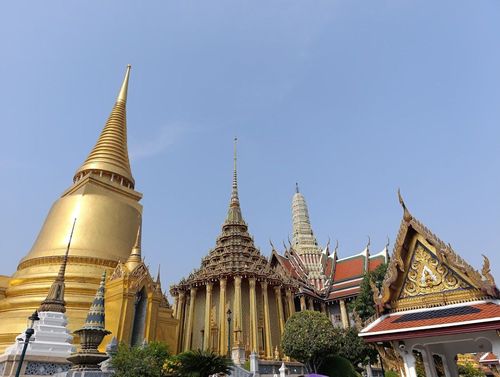
Bangkok’s royal showpiece a short hop from Khao San: glittering Wat Phra Kaew, Ramakien murals, and gold-on-gold rooftops. Go 8:30am to dodge the heat, dress modestly, and boat to Tha Chang for the prettiest arrival.
Sanam Luang
Attractions
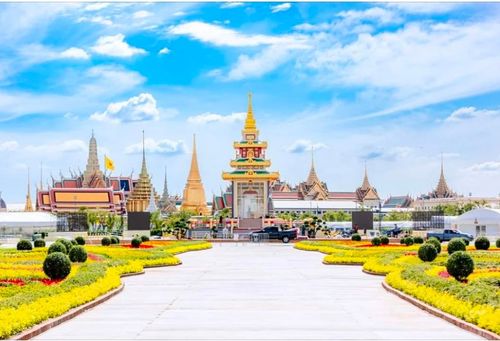
Bangkok’s royal lawn facing the Grand Palace. Free to wander, ringed by tamarind trees, popular for kite flying (Feb–Apr) and lazy green‑space hangs. A 10‑minute walk from Khao San; come early for soft light and street snacks along Na Phra That Rd.
Khao San Road
Attractions
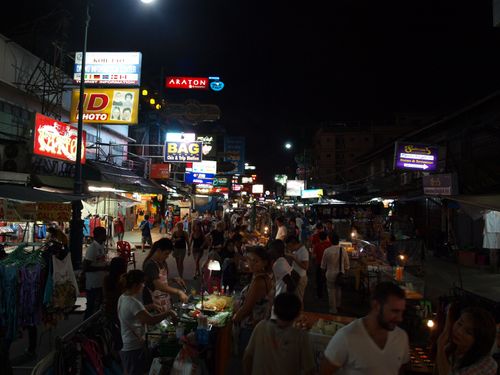
Bangkok’s backpacker carnival: curbside bars, live bands and DJs from 3pm–2am (midnight Sun). Street eats are cheap — pad thai 70–100 THB, mango sticky rice 60–100 THB. Come for wild people-watching; duck into Rambuttri for a calmer beer.
More Khao San Road Guides
- How to Buy Tickets for Wat Pho, the Grand Palace, and Golden Mount: Entry Fees, Payment Tips, and What to Expect at the Gates
- What to Expect Inside Wat Pho, the Grand Palace, and Golden Mount: Highlights, Fees, and Visitor Tips
- Bangkok Temple Fees, Donations, and Ticket Rules: What to Budget for Wat Pho, the Grand Palace, and Golden Mount
- Bangkok Temple Run Ticket Strategy: Fees, Opening Hours, and What to Buy First at Wat Pho, the Grand Palace, and Golden Mount