
Bangkok Street Food by Meal Time: Best Breakfast, Lunch, Dinner & Late-Night Stalls for Travelers
What to eat in Bangkok by the clock—breakfast to late-night. Dishes, best spots, timing, prices, safety, and how to order like a local.
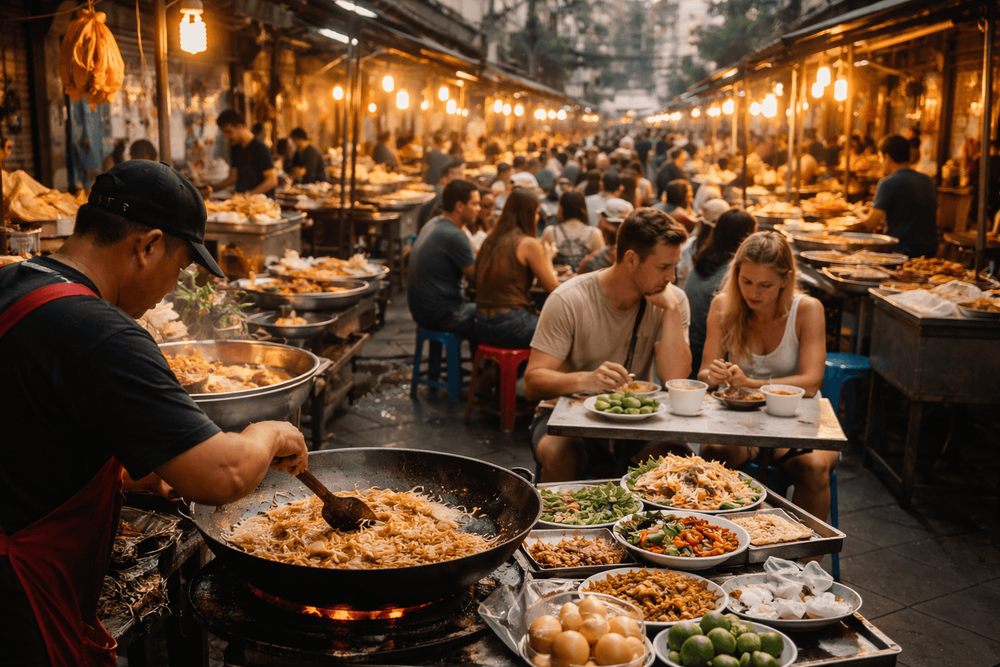
We’re shoulder-to-shoulder on Rambuttri Village Hotel just after dawn, watching a wok flare like a sunrise. Skewers of moo ping hiss over coals; a lady ladles silky jok (rice porridge) into bowls, and somewhere a blender screams a mango into submission. This is Bangkok Street Food by Time of Day: Breakfast, Lunch, Dinner and Late-Night Eats in all its glory—different dishes waking up (or winding down) with the city’s rhythms. If we time it right, we eat better, cheaper, and with far less queue anxiety.
Bangkok Street Food by Meal Time: How the City Eats
Bangkok doesn’t eat the same food all day. Vendors slot into time windows like BTS trains:
- Early morning (5:30–10:30): comforting carbs and grills you can eat standing up.
- Lunch rush (11:00–14:00): fast bowls and curry-on-rice fired for office crowds.
- Early evening (17:00–20:00): grills and stir-fries kick off as the heat eases.
- Night and late-night (20:00–03:00+): Chinatown glows, night markets sizzle, and post-bar snacks keep us upright.
Meal time shapes what’s on offer, how fresh it is, who’s in line, and even the price. Let’s eat the day, dish by dish, with neighborhoods and practical tactics so we don’t miss the good stuff.
Breakfast (5:30–10:30): Steam, Smoke, and Soft Starts
We chase breakfast by scent: pork fat, soy, and pandan. Typical morning heroes:
- Jok (rice porridge): Thick and soothing with minced pork, a soft egg, ginger, scallions. Add black pepper and a squirt of fish sauce. 35–50 THB.
- Khao tom (rice soup): Lighter broth with pork or shrimp, ideal if last night went long. 40–60 THB.
- Moo ping + sticky rice: Caramelized grilled pork skewers, sold 3-for-20 or 10 THB each, plus a warm sticky rice bag (5–10 THB). Eat it walking.
- Patongo: Golden-crisp Thai crullers, torn and dipped in warm soy milk or pandan custard. 5–10 THB per piece.
- Khanom krok: Coconut-rice pancakes with a custardy center. 20–30 THB per tray.
- Kai kata: Indochinese-style eggs in a petite pan with sausage and pate, common near old shophouses. 50–80 THB.
- Soy milk (nam tao hoo) and tofu pudding (tao huay): Slightly sweet, sometimes with ginger syrup. 15–30 THB.
Where we find it fresh:
- Banglamphu: Wander Rambuttri and the alleys off Phra Athit Road from 6:00. Stalls pop up and vanish before the sun gets mean.
- Wang Lang Market (across the river from Tha Phra Athit Pier): A morning carnival of snacks beside Siriraj Hospital. Best 7:00–10:00.
- Nang Loeng Market: Old-school vibes off Nakhon Sawan Road. Great for patongo, curry rice, and sweets before 10:00.
- Ari (Phahonyothin Soi 7 area): Office-friendly breakfast carts under the BTS.
How to eat it: Grab-and-go is normal. If there’s a rickety table, it’s fair game. We point, smile, and order by item—no need to overthink it this early.
Planning a full morning feast? We’ve mapped favorite early eats here: Bangkok Morning Street Food Guide: Best Breakfast Stalls, Markets & Early Eats.
Lunch (11:00–14:00): Bowls, Woks, and Curry-on-Rice
Bangkok at lunch is a sprint. We squeeze into plastic stools as a fan does its best. Look for these staples:
- Khao gaeng (curry-on-rice): Point to two or three trays—green curry chicken, penang pork, stir-fried morning glory—and say “khao gaeng song yang” (two dishes). 40–70 THB.
- Pad krapao: Holy basil stir-fry with minced pork or chicken, a fried egg (kai dao) on top. Say “phet nit noi” if you want only a little heat. 50–80 THB.
- Som tam + gai yang + sticky rice: Papaya salad pounded to order, with grilled chicken and sticky rice. 40–70 THB for som tam; chicken by the quarter.
- Noodle bowls: Boat noodles (kuay tiew rua), duck noodles, bamee (egg noodles), and kuay jab (rolled rice noodles in peppery broth). 40–70 THB a bowl; boat noodles are smaller—order 2–4.
- Fried rice and one-plate wok hits: Khao pad, pad see ew, pad kee mao (drunken noodles). 50–80 THB.
Where the lunch lines are worth it:
- Silom (Soi Convent, Soi Sala Daeng): A grid of wok smoke between BTS Sala Daeng and MRT Si Lom. Beeline 11:30 to beat queues.
- Victory Monument: Alley noodles and boat noodle clusters under the skytrain. Best 11:00–14:00.
- Ari Soi 1: Stylish meets homey; look for khao gaeng vendors and bamee carts.
- Charoen Krung (Bang Rak to Talat Noi): Old shophouse stalls selling duck rice, wonton noodles, and curry rice.
Tips to win lunch:
- Go at 11:00 or 13:30 to dodge the office stampede.
- If trays look half-empty at 13:45, you’re late—freshness dips as sellers wind down.
Late Afternoon (15:00–17:00): Snack O’Clock
The heat relents and Bangkok grazes:
- Roti with condensed milk and banana, or egg sugar bombs. 20–50 THB.
- Fried bananas (kluay tod), taro fritters, and sweet potato balls. 20–40 THB a bag.
- Kanom buang (Thai crispy crêpes) with meringue and coconut. 20–40 THB.
- Grilled squid, fish balls, and sausage-on-sticks with sticky-sweet chili dip. 10–20 THB per stick.
Where we snack:
- Wang Lang Market keeps humming till late afternoon—perfect for round two.
- Yaowarat Chinatown Heritage Center (Chinatown) warms up before its neon flips on; some dessert carts open early.
- University belts (Siam, National Stadium) for cheap, creative snacks.
Dinner (17:00–20:00): Grills, Woks, and Seafood Streets
As the day cools, burners roar and charcoal beds glow.
- Whole grilled fish (pla pao): Salt-crusted tilapia stuffed with lemongrass, served with herbs and two dips. 200–300 THB.
- Pad thai and pad thai haw khai (wrapped in egg): Tourist bait sometimes, but the wok-breath (wok hei) can be legit. 60–120 THB.
- Yen ta fo: Pink-tinted noodle soup with fish balls and morning glory. 50–80 THB.
- Kuay jab: Rolled rice noodles in peppery broth, often with crispy pork. 50–80 THB.
- Oyster omelet (hoy tod) and mussel pancake: Crisp-edged, chewy-centered. 70–120 THB.
- Grilled pork collar (kor moo yang) with jaew dip and sticky rice. 80–120 THB.
Where to prowl at dinner:
- Yaowarat Road (Chinatown): A neon canyon of seafood, stir-fries, and desserts. Best 18:30–21:00; lines form quick.
- Talat Phlu (Thonburi): Pork, noodles, and old-school sweets along the tracks and sois.
- Ratchawat & Sriyan Markets (Dusit): Local, meaty, and mellow.
- Banglamphu evenings: Around Phra Athit and the Khao San Road orbit, grills and noodle carts park up as the thump of bass builds.
Want more night picks by neighborhood? Dive into our evening playbook: Bangkok Night Street Food Guide: Best Late-Evening Stalls, Markets, and Snacks After Dark.
Late-Night (20:00–03:00+): After-Hours Survival Food
When the BTS sleeps, Bangkok keeps eating. We follow the smoke and the laughter.
- Mama tom yum bowls: Instant noodles turned gourmet with egg, pork, and lime. 40–70 THB.
- Khao mok gai (Thai biryani): Aromatic rice with chicken and a sweet-sour sauce; some Muslim vendors go late. 60–90 THB.
- 24-hour congee and rice-soup shops: Lifesavers after a few Chang.
- Moo ping, gai yang, and sausage carts outside 7‑Elevens: The city’s unofficial nightcap. 10–20 THB per stick.
- Sweet fixes: Mango sticky rice, warm soy milk, and sesame balls.
Where we end up:
- Khao San and Soi Rambuttri area: Post-bar noodles, skewers, and banana roti till the birds start singing.
- Ratchada/Rama 9: Night markets like Jodd Fairs rotate in young, late crowds with creative snacks.
- Yaowarat: Select stalls run past midnight, especially weekends.
- Sukhumvit’s late sprawl (Asok to Nana to Phrom Phong): Roti, krapao, and grilled everything.
If midnight is your prime time, this playbook saves the night: Bangkok Late-Night Street Food Guide: Where to Eat After Midnight Near Khao San Road and Beyond.
Where to Find the Best Street Food by Time of Day
A quick neighborhood cheat sheet so we’re in the right place at the right hour:
- Breakfast: Wang Lang Market (river vibe, 7:00–10:00), Nang Loeng (old Bangkok), Ari BTS (commuter carts), Banglamphu laneways off Phra Athit.
- Lunch: Silom Soi Convent/Sala Daeng (office power-eating), Victory Monument (noodle alleys), Pratunam (rice-and-curry galore), Charoen Krung (classic shophouse bowls).
- Dinner: Yaowarat (seafood and noodles), Talat Phlu (Thonburi comfort), Ratchawat/Sriyan (meat meccas), Banglamphu (casual grills and noodles).
- Late-night: Khao San orbit, Yaowarat weekend stretches, Ratchada/Rama 9 night markets, Sukhumvit snack lines between sois.
How Meal Time Affects Freshness, Crowds, and Price
- Freshness: Morning snacks and soups are made in small, early batches; by 10:30 the best patongo is gone. Lunch curries peak 11:00–12:30 when turnover is fastest. Grilled seafood hits its stride at dinner; late-night skewers are constantly replenished.
- Crowds: Office zones spike 12:00–13:00. Chinatown gets packed 19:00–21:00. Night markets swell Friday–Sunday.
- Price: Tourist-heavy strips mark up a bit at dinner. Morning and lunch in local lanes are typically 10–20 THB cheaper per dish.
- Heat: Afternoon wok sweat is real—eat inside shophouses with fans or aim early/late for sanity.
Strategy: For lunch, we roll in by 11:15; for dinner, 18:30 beats the lines. For late-night, weekdays feel looser and friendlier.
Ordering Like a Local: Dishes, Spice, and Payment Basics
We don’t need perfect Thai—just the right words and some confidence.
Common menu words you’ll see or say:
- Moo (pork), gai (chicken), nua (beef), pla (fish), talay (seafood), khai/khai dao (egg/fried egg), khao (rice), ba mee (egg noodles), sen lek/sen yai (thin/wide rice noodles).
- Khao gaeng (curry-on-rice), khao pad (fried rice), pad krapao (basil stir-fry), pad see ew (soy-sauce noodles), tom yum (spicy-sour soup), yen ta fo (pink noodle soup), hoy tod (oyster/mussel omelet).
Spice control:
- “Mai phet” = not spicy.
- “Phet nit noi” = a little spicy.
- “Mai sai prik” = don’t add chilies.
- “Mai sai pak chee” = hold the coriander (if it tastes soapy to you).
- “Sai kai dao” = add a fried egg on top (do it).
How to order at stalls:
- Point and smile. Say the dish + protein + “krap/ka” (polite particle depending on your gender).
- For curry rice, point to trays and hold up fingers for how many items—“song yang” (two kinds), “sam yang” (three kinds).
Payment:
- Most stalls are cash. Keep 20s and 50s handy. Many shophouses accept QR PromptPay—look for a QR card by the till.
- Pay after you eat unless they ask upfront; hand money onto the little tray if there is one.
If you want every unspoken rule decoded—from seat sniping to tissue boxes—bookmark this: Bangkok Street Food Etiquette: How to Order, Pay, Sit, and Eat Like a Local.
Food Safety and Hygiene: Street-Smart, Not Paranoid
Bangkok rewards the cautious but curious. Our street rules:
- Follow the crowd: Busy stalls = fast turnover. A short line beats a quiet cart holding sunbaked curry.
- Watch the heat: Boiling broths, sizzling woks, and grilled-to-order skewers are safer than lukewarm trays.
- Eyes on the ice: Ask for ice pulled from sealed bags, not re-frozen chunks.
- Fruit check: Fresh-cut fruit is fine if it’s on ice and the knife looks clean. We skip anything sweating on a bare table.
- Hand hygiene: A pocket sanitizer changes everything. Wet wipes help with chili fingers.
- Allergies: Say “แพ้...” (pae..., allergic to...) and write it down in Thai if serious.
For a deeper dive with photos and tactics, we put our best advice here: Bangkok Street Food Safety Guide: How to Choose Clean, Fresh Stalls Like a Local.
Know Before You Go: Getting Around and Timing
- BTS/MRT: Your best friend for lunch corridors and night eats. Fares ~17–47 THB. Silom (Sala Daeng/MRT Si Lom), Ari (BTS Ari), Victory Monument (BTS Victory Monument), Chinatown (MRT Wat Mangkon).
- Chao Phraya Express boat: To Banglamphu (Phra Arthit Pier) and Wang Lang. Fares ~16–32 THB. Breeze on your face, temples on your right.
- Tuk-tuk: Fun but agree the fare first (short hops 80–150 THB). If a driver insists on a “gem shop,” we bail.
- Grab/bolt: Good late-night or when the sky opens. Watch surge pricing after rain.
- Dress and kit: Lightweight clothes, a collapsible tote, tissues, sanitizer, and a bottle for water refills. The blast of AC when we duck into 7‑Eleven is a religious experience.
Where to Stay If You Want to Eat Well All Day
No hotel names, just hard truth: location matters.
- Morning people: Stay near Phra Athit Road or by a river pier to hit Wang Lang and Banglamphu before crowds.
- Lunch hunters: Base near Silom/Sathorn or Ari for peak office-hour stalls.
- Night owls: Crash within walking range of Yaowarat or the Khao San orbit for neon eats and post-bar skewers.
We usually pick a spot with easy BTS/MRT access or near the Chao Phraya boats—smarter than wrestling traffic when hunger hits.
Putting It All Together: One Perfect Eating Day
- 7:30: Moo ping + sticky rice on Soi Rambuttri, then coconutty khanom krok while we wander toward Phra Athit.
- 12:00: Victory Monument boat noodle sprint—two bowls each, then one more because sanuk.
- 18:45: Yaowarat seafood-and-noodles crawl, finishing with an oyster omelet and a bowl of kuay jab that wakes every taste bud.
- 01:30: Skewers outside a 7‑Eleven, sweet soy milk in hand, bass from a Khao San bar thumping our ribcage.
If you prefer a time-stamped roadmap by dish, this roundup goes deep: Bangkok Street Food by Time of Day: Breakfast, Lunch, Dinner and Late-Night Eats.
We’ll be the ones wiping chili sweat with a napkin that was definitely a toilet tissue five minutes ago. See you under the neon—first round of boat noodles is on us.
Related Hotels & Places
Rambuttri Village Hotel
Hotels
Rambuttri Village Hotel provides flawless service and all the necessary facilities for visitors. Stay connected with your associates, as complimentary Wi-Fi is available during your entire visit. The inn offers taxi amenities to assist you in discovering your desired offerings in Bangkok.The inn off
Rambuttri
Markets
Khao San’s calmer cousin: a tree‑shaded lane of VW van cocktail bars, open‑air foot massages, pad thai grills, and easygoing live bands. Best from sunset to 11pm; beers 80–120 THB, cocktails 150–220 THB. One block from the chaos, all the charm.
Brick Bar
Bars
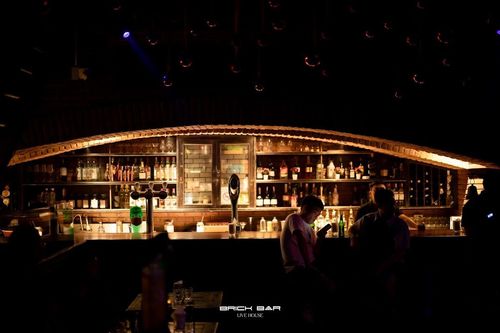
Legendary live music venue in the Buddy Lodge complex. Thai ska, jazz, and blues bands play nightly in this underground basement bar beloved by locals and travelers alike.
Khao San Road
Attractions
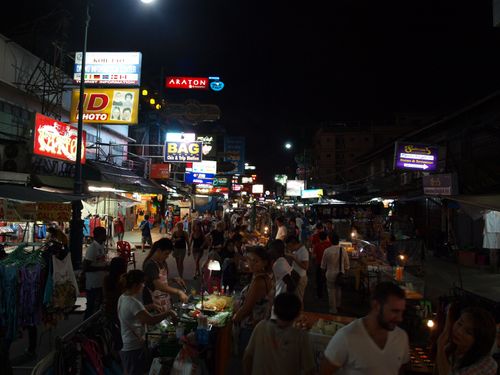
Bangkok’s backpacker carnival: curbside bars, live bands and DJs from 3pm–2am (midnight Sun). Street eats are cheap — pad thai 70–100 THB, mango sticky rice 60–100 THB. Come for wild people-watching; duck into Rambuttri for a calmer beer.
Yaowarat Chinatown Heritage Center
Attractions
Inside Wat Traimit by Chinatown Gate, this tidy museum charts Yaowarat’s Chinese roots with bilingual displays, period photos and short films. Open Tue–Sun 8:30am–4:30pm; closed Mon. Pair it with the Golden Buddha upstairs.
Recommended Products
More Khao San Road Guides
- Bangkok Street Food by Meal: What to Eat for Breakfast, Lunch, Dinner, and Late Night
- Bangkok Street Food by Time of Day: Breakfast, Lunch, Dinner and Late-Night Eats
- Bangkok Street Food by Meal Time: Best Breakfast, Lunch, Dinner, and Late-Night Picks Around Khao San Road
- Bangkok Street Food Breakfast to Dinner: What to Eat at Each Time of Day