
Bangkok Street Food for Budget Travelers: Cheap Meals Near Khao San Road That Still Feel Local
Where to find cheap street food in Bangkok near Khao San—local stalls, must-try dishes, real prices, and tips for clean, tasty eats on 50–200 baht.
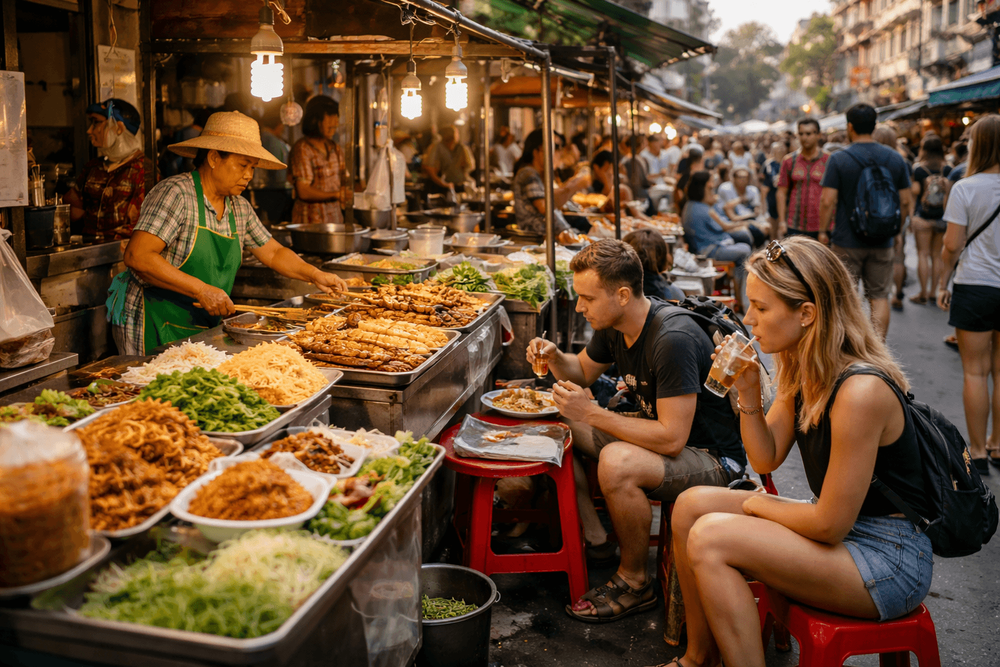
It’s 11:30 p.m. on Rambuttri and the wok is talking—garlic hitting hot oil, basil perfuming the lane, a cook laughing over the thump-thump bass leaking from a Khao San Road bar around the corner. We’re shoulder-to-shoulder with students, aunties, and a few bleary-eyed farang, chasing that sweet spot of cheap street food Bangkok does better than anywhere: fast, fresh, and priced so right you’ll start counting meals in coins.
Best Areas for Cheap Street Food in Bangkok (Near Khao San and Beyond)
Soi Rambuttri and Khao San Road (late night, lively, tourist-adjacent)
We use Khao San as a compass, not a kitchen. On Khao San proper you’ll find neon pad thai and skewers that are fine in a pinch but often cost more for the show. Slip one soi north to Soi Rambuttri and it shifts—stir-fries clack, roti grills hiss, and there’s actual turnover from locals. Expect pad kra pao or pad see ew from about 50–70 baht, banana roti around 25–40 baht, and grilled pork (moo ping) at 10–15 baht a stick with sticky rice for a tenner. After midnight, Rambuttri keeps feeding when most of the Old City yawns.
Tip: If a menu is laminated like a coffee-table book and lists pad thai at 150 baht, smile, wai, and keep walking.
Phra Athit Road and the River Edge (easy, breezy, cheaper)
Two blocks to the river and everything calms down. On Phra Athit, morning vendors do moo ping smoke-plumes at dawn, plus khanom krok (coconut custard cups) that clock in around 20–30 baht per tray. Midday, look for khao rad gaeng (rice with curry) carts where you point at two or three trays and pay 40–60 baht. At sunset, students sprawl on the grass by Phra Arthit Pier with plastic cups of cha yen (25–35 baht). It’s sanuk without the Khao San markups.
Banglamphu Market, Dinso, and Tanao Roads (classic Old City eats)
Cut east from Khao San toward Banglamphu Market and the lanes off Chakrabongse, Dinso, and Tanao deliver breakfast-to-lunch gold: congee (jok) at 35–50 baht, fish ball noodles for 40–60, and crisp pork over rice (khao moo krob) in the 50–70 range. Morning is best. By afternoon, stock thins and the heat wins.
Thewet Market (north of Banglamphu, real-life everyday prices)
Follow the river north to Thewet for a proper wet market buzz. Cheap, hearty plates—fried rice for 40–50 baht, som tam at 40–60, grilled chicken by the quarter at 60–80. You’ll eat standing sometimes, dodging baskets of pak chi and aunties with cart-beating elbows. Worth it.
Nang Loeng Market (heritage vibes, lunch sweet spot)
A 15-minute walk southeast of Khao San drops us into Nang Loeng, one of Bangkok’s oldest markets. Come pre-noon for braised pork, smoky sausage, and old-school sweets—sticky dumplings, custards, and coconut cakes—most under 30–60 baht. Stalls start winding down after lunch.
Victory Monument Boat Noodles (fast slurp, fast ride)
Yes, it’s not in the Old City, but it’s a cheap-eats pilgrimage and a sanuk ride away. Hop the khlong boat from Phanfa Leelard Pier (by the Golden Mount) to Victory Monument, then follow the aroma of star anise. Boat noodle bowls run 20–40 baht each; stack three to five for a full feed.
Yaowarat (Chinatown) at Walk-O’Clock
At night, Yaowarat Road glows like a wok flame, and while some dishes here push past “dirt-cheap,” there are still bargains: peppery fish ball noodles for 50–70 baht, steamed buns around 20–30, and pandan-scented sweets. Expect lines, heat, and bliss.
Must-Try Cheap Dishes That Overdeliver
- Pad kra pao: Holy basil stir-fry, chicken or pork, fried egg optional. 50–70 baht. Ask “phet nit noi” if you prefer less heat; the chili-vinegar on the table can do the rest.
- Boat noodles (kuai tiao reua): Beef or pork with herbs and a whisper of cinnamon. 20–40 baht per small bowl; stack a few.
- Khao man gai: Poached chicken over fragrant rice with gingery sauce. 50–70 baht. The side soup is your salty new best friend.
- Moo ping + khao niaow: Caramelized pork skewers with sticky rice. Skewers 10–15 baht, rice 10–15.
- Khao rad gaeng: Rice plus two curries. 40–60 baht. Watch for bubbling pots—hot means fresh.
- Som tam: Hand-pounded green papaya salad. 40–60 baht; grilled chicken on the side makes it a meal.
- Guay jub / yen ta fo / tom yum noodles: Noodle soups in the 40–70 baht zone. Your spice, your call.
- Khao moo daeng: BBQ pork and red sauce over rice, 50–60 baht. Add crisp pork if you’re living dangerously.
- Roti: Griddled pancakes, banana-condensed milk hero. 25–40 baht.
- Mango sticky rice: Seasonal and sweet. 60–100 baht for a small box.
- Khanom krok: Coconut custard cups, crunchy-edged and molten in the middle. 20–30 baht per tray.
- Drinks: Cha yen (Thai iced tea) 25–35 baht; fresh lime juice 15–25; sugarcane juice 20–30; young coconut 30–50. If you need beer, 7-Eleven is cheaper than bars; expect 40–60 baht for a large can, mind public drinking rules and hours.
If you want to plan by wallet, our breakdown of what 50, 100, and 200 baht actually buys on the street is here: Bangkok Street Food by Budget: What to Eat for 50, 100, and 200 Baht.
What’s a Good Value Meal in Bangkok?
- 40–60 baht: A single-dish meal (noodle soup, stir-fry with rice) in non-touristy lanes. If it’s hot, portioned to order, and has a table of condiments, you scored.
- 70–100 baht: Bigger proteins (crispy pork, duck), seafood, or supersized portions. Still solid value if it’s fresh.
- 120–200 baht: Street seafood, multi-dish sets (som tam + gai yang + sticky rice), or tourist-area prices. Worth it when quality is high and turnover is brisk.
Portions are modest but meant to stack. Two small stops—a noodle bowl and a grilled skewer—beat one giant plate in both flavor and fun. If you’re grazing between ferries and tuk-tuks, keep an eye on our grab-and-go picks: Bangkok Grab-and-Go Street Food Guide for Transit Days: Snacks, Packable Meals, and Quick Bites.
How We Spot Clean, Honest, Local Stalls
- Turnover trumps typography: If a cart’s busy and the woks never rest, we eat there—even if the signage is 100% Thai. Food moves; food stays fresh.
- Stainless and soap: A tidy setup, a hand-wash bucket, and clean cutting boards are green lights. Oil that’s crystal-gold, not tar-black.
- Heat helps: Soups and stir-fries cooked to order are safer than pre-cooked proteins baking in the noon sun.
- Price boards: Even handwritten price tags suggest fairness. If prices aren’t shown, we ask “tao rai?” with a smile before ordering.
- Local rhythms: Breakfast stalls that sell out by 10 a.m., lunch queues near offices, and evening grills by bus stops are our north stars.
- Tourist trap tells: Big glossy menus with staged photos, hawkers pulling sleeves, and pad thai north of 120 baht on Khao San usually mean you’re paying for the soundtrack.
If you’re new to the dance—how to order, where to sit, how to pay—bookmark this primer: How to Eat Bangkok Street Food Like a Local: Stall Etiquette, Payment, and Peak Hours.
Practical Tips: Timing, Cash, Etiquette, and Surviving the Heat
- Meal timing: Breakfast shows up as early as 6 a.m. (jok, moo ping), lunch peaks 11 a.m.–1:30 p.m., dinner carts roll out around 5 p.m., and near Khao San some spots feed until 2 a.m. Mondays can be thinner in the Old City due to cleaning schedules.
- Cash rules: Street vendors mostly take cash. Keep 20s, 50s, and coins. Vendors get grumpy with 1,000-baht notes for 40-baht noodles, and honestly, so would we.
- Condiments are your menu: Chili flakes, chili-vinegar, fish sauce with chilies, sugar, and roasted chili oil. Build your bowl to taste—Thailand is DIY.
- Spice level: “Phet nit noi” (a little spicy) or “mai phet” (not spicy) saves tears. The cook will still feed you flavor.
- Seating: Tiny plastic stools, shared tables. Clear your tray, stack plates, and say “khop khun ka/krap” (thank you) on your way out.
- Water and ice: Factory ice is common and safe for most travelers. If you’re sensitive, buy a 10-baht bottle from 7-Eleven and ride that blast of AC while you’re at it.
- Trash and tissues: Pack napkins or a pocket pack of tissues. Bins are often clustered by the cart’s back leg.
- Weather: Eat early or late to dodge the midday broil. A 5-minute stroll can turn you into soup; we won’t judge a 7-Eleven cooldown between bites.
- Getting change: If the total is 42 baht and you hand over 52, the vendor will love you forever. Math is universal.
- Transport sanity: For short hops, metered taxis are cheaper than tuk-tuks; for fun, take a tuk-tuk once and bargain before you ride. Boats beat traffic—more below.
Getting Around Khao San on the Cheap (for Food Missions)
- Chao Phraya Express Boat: From Saphan Taksin (BTS) up to Phra Arthit Pier puts you two minutes from Phra Athit Road and a five-minute stroll to Soi Rambuttri. Fares are low, breezes are free.
- Saen Saep Khlong Boat: From Phanfa Leelard Pier (below the Golden Mount) you can slide east or head to Victory Monument for boat noodles. Boats run frequently until early evening.
- Walking Grid: The Old City is flat and wonderfully walkable at dusk. String together Banglamphu Market, Dinso, Tanao, and Phra Athit without touching a taxi.
- Buses: Old-school and dirt-cheap, but routes can feel like a pop quiz. If time is tight, skip the bus; if you’re game, ask the conductor for “Phra Athit” or “Banglamphu.”
A 200-Baht Cheap-Eats Crawl Near Khao San
- 4:30 p.m. — Nang Loeng Market: Start sweet with khanom krok (25 baht) and grab a small curry-over-rice (50 baht). Wander the wooden shopfronts where time forgot.
- 6:00 p.m. — Phanfa to Phra Arthit: Ride the khlong to Phanfa, walk past the Golden Mount’s drum tower, then cut to Phra Athit. Sip a 25–30 baht lime juice riverside.
- 7:00 p.m. — Phra Athit to Rambuttri: Moo ping (3 sticks + sticky rice = 45–60 baht) standing up like a local, then a sit-down stir-fry on Rambuttri (60–70 baht).
- 9:00 p.m. — Dessert lap: Banana roti (30–40 baht) or mango sticky rice (if in season, 60–100 baht for a small box). If you’ve got 20 baht left, Thai tea is calling.
You’ll be full, your wallet won’t notice, and the night will still be young.
Where We Sleep to Eat (Budget Stays, No Names Needed)
Near Khao San we usually crash on the quieter ends of Soi Rambuttri—backpack-friendly rooms, an unbeatable price-to-location ratio, and a two-minute stumble to midnight noodles. When we want river breezes and calmer mornings, we hole up around Phra Athit Road; sunrise walks to the pier make breakfast hunts a daily ritual. If you’re on a shoestring, look a few sois off the main drags—rates drop, and the street food gets more neighborly.
Downsides We Embrace (and How to Deal)
- Heat: Bangkok’s kitchen is the street. Eat early or late, chase shade, and treat 7-Eleven like a refuge temple.
- Crowds: Queues mean it’s good. Bring patience; your reward is five minutes of perfect noodles.
- Noise: Khao San thumps. For actual conversations, Phra Athit and side sois are your friends.
- Scams: Overpriced tuk-tuk tours and mystery “service charges” at flashy carts. Ask the price first, smile, and be ready to walk.
For Specific Cravings, Follow Your Nose (and This)
If your heart says “noodles or we riot,” or you want the best grilled meats and seafood without paying tourist prices, zoom in on this cravings-led cheat sheet: Bangkok Street Food for Specific Cravings: Best Places for Noodles, Grilled Meat, Seafood, and Curries.
We’ll be the ones posted by the sizzle, chasing the next 50-baht miracle. Text when you hit Phra Athit—first lime juice is on us.
Related Hotels & Places
Khao San Road
Attractions
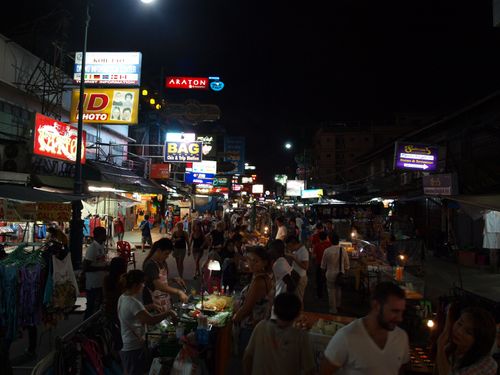
Bangkok’s backpacker carnival: curbside bars, live bands and DJs from 3pm–2am (midnight Sun). Street eats are cheap — pad thai 70–100 THB, mango sticky rice 60–100 THB. Come for wild people-watching; duck into Rambuttri for a calmer beer.
Rambuttri
Markets
Khao San’s calmer cousin: a tree‑shaded lane of VW van cocktail bars, open‑air foot massages, pad thai grills, and easygoing live bands. Best from sunset to 11pm; beers 80–120 THB, cocktails 150–220 THB. One block from the chaos, all the charm.
Brick Bar
Bars
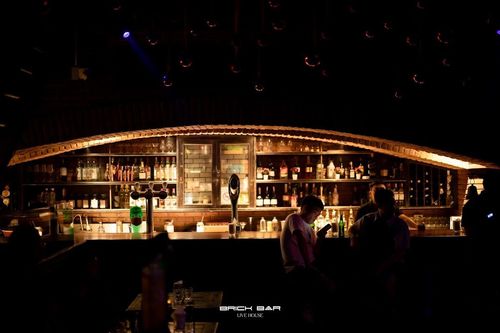
Legendary live music venue in the Buddy Lodge complex. Thai ska, jazz, and blues bands play nightly in this underground basement bar beloved by locals and travelers alike.
More Khao San Road Guides
- Bangkok Street Food for Budget Travelers: Filling Meals Under 100 Baht Near Khao San Road and Beyond
- Bangkok Street Food for Travelers on a Budget Near Khao San Road: Cheap Dishes That Fill You Up
- Where to Find Authentic Bangkok Street Food Near Khao San Road Without the Tourist Markup
- Bangkok Street Food for Cheap Meals: How to Eat Well on a Budget Around Khao San Road