Bangkok to Chiang Mai for Solo Female Travelers: Safest Transport Choices, Seating Tips, and Arrival Advice
Solo female guide from Bangkok to Chiang Mai: safest rides, smart seating, arrival tips, and where to land in the city with confidence.
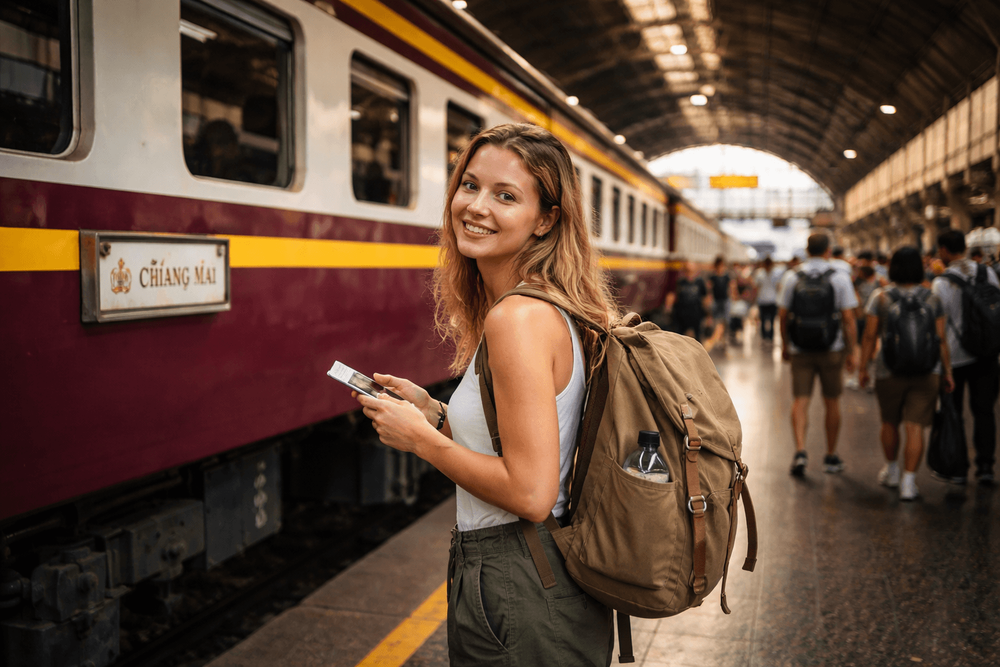
We’re shoulder to shoulder at Krung Thep Aphiwat (Bang Sue Grand), the fluorescent concourse humming with snack stalls and families corralling luggage. A security guard waves us through with a quick sawadee, the PA chimes, and the smell of 7-Eleven toasties and iced Ovaltine drifts by. If you’re planning the Bangkok to Chiang Mai solo female journey, breathe—this route is a classic for a reason. With the right ride, the right seat, and a few street‑smart moves, we glide north without drama and arrive in the Lanna breeze ready for noodles and night markets.
Bangkok to Chiang Mai Solo Female: Safety Basics
Let’s name the worries so we can handle them:
- Night travel and sleeping next to strangers
- Bags going missing when we doze off
- Taxis that “forget” the meter or detour
- Late‑night arrivals into unfamiliar bus or train stations
Good news: Thailand is one of the easier places for women to travel solo. People are helpful, staff presence is strong on trains and at stations, and we’ve got options—plenty of them—that feel safe without blowing the budget.
Quick safety game plan:
- Daylight or staffed arrivals: If you don’t love rolling in at 3 AM, choose departures that land us in Chiang Mai between sunrise and early evening. Flights win here; the overnight train is also solid because staff are visible and platforms are busy at both ends.
- Seat choice matters: On buses, avoid the last row. On trains, consider the ladies‑only sleeper car when available, or pick a berth near the middle of the carriage. On planes, choose aisle if you like mobility or a window if you want to cocoon.
- Bags in sight: Keep essentials in a small crossbody that never leaves your person. Cable‑lock larger bags to the train’s rack or keep them between your legs on buses.
- Move like you belong: A confident “mai ao, khop khun ka” (no, thank you) and a gentle smile work wonders with pushy touts.
- Know the numbers: Tourist Police 1155; general emergency 191.
Choosing Your Ride: Train vs Bus vs Plane (and Private Car)
We’ve done this run every way you can imagine—eyeshades on the sleeper, VIP bus with an in‑seat blanket, wing‑seat flight with a plastic cup of water. Here’s how the main options stack up for a solo woman.
Overnight Train: Cozy, Social, and Staffed
- Comfort: 2nd‑class air‑con sleepers are the sweet spot. By evening, attendants flip seats into bunks with clean sheets and curtains. It feels like a moving hostel with rules. The train sways, the AC hums, you knock out to the rhythm of the tracks.
- Safety: Strong. Carriages are staffed, and on some services, there’s a ladies‑and‑children‑only sleeper car—ask when you book. Keep your small bag inside your curtain and clip your larger bag to the rack.
- Cost: Roughly 900–1,200 THB for a 2nd‑class sleeper berth; 1st‑class private cabins can run 1,500–2,000+ THB depending on availability.
- Time: About 11–13 hours. Depart Bangkok after dinner; wake up rolling past rice fields and mist.
- Seat/berth tips: Lower berths are wider and easier to access; upper berths are slightly more private and farther from foot traffic. Mid‑car is quieter than the ends. Bring layers—the AC can be enthusiastic.
- Stations: Trains depart Krung Thep Aphiwat (Bang Sue Grand) via the MRT Blue Line; some services may still call at Hua Lamphong, so double‑check your ticket. In Chiang Mai, you’ll arrive at Chiang Mai Railway Station, east of the Old City.
Bus: Budget‑Friendly with VIP Comfort If You Pick Right
- Comfort: Ranges wildly. Look for VIP or “VIP 24” (a 1–2 seating layout, so you can snag a solo seat) or reputable first‑class services with blankets, snacks, and onboard toilets.
- Safety: Decent if you choose well. Staff will be around; lights dim overnight. We prefer earlier night departures to avoid the eerie dead‑of‑night rest stops.
- Cost: About 500–1,100 THB depending on class.
- Time: Around 9–11 hours depending on traffic and rest stops.
- Seat tips: Avoid the back row and seats directly by the toilet. The single seat in a VIP 24 coach is our go‑to. Keep a scarf for the AC and a small lock for your under‑floor stowed bag zippers.
- Stations: Buses leave from Bangkok Bus Terminal (Chatuchak/Mo Chit). In Chiang Mai, you’ll land at Arcade Bus Station (Bus Terminal 3), northeast of the moat.
If bus comfort vs. savings is your current debate, we break down pros and cons here: Bangkok to Chiang Mai by Bus: Day vs Overnight Options, Comfort, and Booking Tips.
Plane: Fastest, Easiest Daytime Arrival
- Comfort: Easiest and most predictable. Low‑cost carriers zip you up in 1h15. If you like to keep days long and nights in bed, fly.
- Safety: Strong. Airports are controlled environments, lighting is great, and arrivals are well‑staffed.
- Cost: Promo fares can be 800–2,000 THB one‑way; holidays and peak weekends can push 2,500–4,000+ THB.
- Time: 1h15 in the air; add airport transfers and security, you’re still under 4 hours door‑to‑door.
- Seat tips: Window seats are best if you want to nap; aisle if you like quick exits. Check baggage rules—some budget fares include only a personal item.
- Airports: Fly from Don Mueang (DMK) or Suvarnabhumi (BKK). Chiang Mai International (CNX) is minutes from the Old City.
If time is precious or you want to guarantee a daytime arrival, see our fare‑hunting and airport tips: Bangkok to Chiang Mai by Plane: Cheapest Fares, Airports, and the Fastest Way to Go.
Private Car/Taxi: Door‑to‑Door Confidence (at a Price)
- Comfort: Top‑tier convenience. AC, luggage in sight, break when we want for khlong‑side noodles.
- Safety: Excellent control of your environment. Book through reputable operators and confirm driver details in advance.
- Cost: Typically 8,000–10,000 THB for a sedan or SUV, more for vans, depending on stops and season.
- Time: 8–10 hours plus breaks.
Who this suits and what to budget: Bangkok to Chiang Mai by Private Car or Taxi: Cost, Travel Time, and When It Makes Sense. Budget‑minded but curious about all options? Start here: Bangkok to Chiang Mai on a Budget: The Cheapest Ways to Travel and What You Really Pay.
Booking Smart and Avoiding Hassles
- Buy direct or via well‑reviewed platforms, and screenshot everything. Thai ticket counters and agents are used to farang travelers—don’t be shy about asking for the ladies’ sleeper or the VIP 24 coach.
- Travel light. A 30–40L backpack saves grief at bus bays and train racks. Keep the valuables pouch cross‑body, zipped, and in front.
- Arrive early but not too early: 30–45 minutes before departure is our sweet spot—enough time to pee, snack, and board without languishing under fluorescent glare.
- Keep your phone juiced. A compact power bank and offline copies of your ticket and hotel address in Thai help when the signal drops.
What Arrival Feels Like in Chiang Mai (and How We Move)
Step off the train and the air feels different—drier, tinged with incense and frying garlic. Even at night, Chiang Mai’s pace is softer than Bangkok’s thump of Khao San Road bass.
- From CNX Airport: Follow signs to the taxi counter or use a ride‑hailing app. Expect 120–250 THB to the Old City depending on time and traffic. If you’re comfortable with shared rides, red songthaews (rot daeng) outside the terminal can be cheaper; agree on the price before you hop in.
- From Chiang Mai Railway Station: Taxis, tuk‑tuks, and rot daengs queue at the exit. Shared rides to the Old City often run 40–80 THB, but drivers might quote tourists higher—smile, offer a fair rate, and be ready to wait for another truck if the price feels off.
- From Arcade Bus Station (Terminal 3): Same playbook as the train station. Plenty of rot daengs and ride‑hailing options. If it’s late, we default to a door‑to‑door app ride.
Where we like to stay as solo women:
- Old City (inside the square moat): Walkable, temple‑dotted, with cafes and massage spots that shut at a humane hour. Being near Tha Phae Gate (east side) or Wat Phra Singh Woramahawihan (west side) puts you central without the party noise.
- Nimmanhaemin (Nimman): Boutique cafes, co‑working, and leafy sois. More modern vibe; great if you’re working remotely or love coffee crawls.
- Santitham: Local, quieter, and budget‑friendly, a short hop to both Old City and Nimman.
No hotel inventory here, but our rule of thumb stands: pick places with multiple recent female‑written reviews, late‑night reception or secure key access, and bright, well‑lit entrances. Pools are a bonus when the April heat slaps.
Navigating Chiang Mai as a Solo Woman
- Late nights: The Night Bazaar and Sunday Walking Street feel lively and safe, but side sois get dark. Call a ride after 10 PM if your alley is quiet.
- Dress and temple etiquette: Shoulders and knees covered at temples like Wat Chedi Luang and Wat Phra Singh. A light scarf in your daypack covers many sins.
- Cash vs card: Markets skew cash. ATMs are common; withdraw in the daytime when crowds are around.
- Massage: Plenty of reputable shops. Pick bright, busy spots with price boards out front. Expect 200–350 THB for a no‑frills foot massage, 250–400 THB for Thai massage.
Practical Solo Travel Tips for the Route
Packing that earns its space:
- A big scarf or thin shawl: AC shield, temple cover, emergency pillow.
- Earplugs and eyeshade: Bus and train gold.
- Small cable lock: To secure bag zips or loop a strap to a fixed point.
- Hand sanitizer and tissues: Rest stops can be hit or miss.
- Flip‑flops and light sneakers: Street food sprints and station bathrooms call for easy‑off shoes.
Booking and budgeting:
- Book popular overnight trains a few days in advance during peak months (Dec–Feb and Songkran in April). VIP buses and single seats go fast on weekends.
- Typical costs one‑way: 800–2,000 THB (flight on sale), 900–1,200 THB (2nd‑class train sleeper), 500–1,100 THB (bus VIP/first class), 8,000–10,000 THB (private car). Add 120–250 THB for arrival transport.
- Daily spend in Chiang Mai: 700–1,500 THB covers simple room, three street‑side meals, coffee, and a massage. Double that for boutique stays and sit‑down dinners.
Staying connected:
- Grab a Thai SIM from 7‑Eleven—AIS, True, or DTAC—for around 200–300 THB with a week of data. Staff will help with setup. Screenshots of your hotel address in Thai make every driver your best friend.
Communication and boundaries:
- Learn a few lines: “Mai ao, khop khun ka” (No thanks), “Lot noi dai mai ka?” (Can you discount a little?), “Pai … dai mai?” (Can we go to …?). A little Thai earns big smiles.
- Keep it light but firm with touts. If someone insists on a “special shop,” we pivot: “Mee nan, mai ao ka.” (There’s that, but no thanks.)
Health and comfort in transit:
- Hydrate but not too much before buses—onboard toilets exist, but we prefer rest stops.
- Snack strategy: Almonds, fruit, and a 7‑Eleven toastie for the win. We’ve yet to meet a mango sticky rice at a bus stop we didn’t like.
Female‑Friendly Experiences to Make the Trip Sanuk
You got yourself here—now let’s enjoy it.
Daytime:
- Temple wander: Start at Wat Phra Singh, loop to Wat Chedi Luang, and cut through quiet back sois lined with frangipani. Light incense, breathe, move on.
- Coffee crawl in Nimman: Chiang Mai’s third‑wave scene is serious—airy cafes with big tables and slow baristas pulling honey‑sweet shots.
- Cooking class: Spend a morning bargaining at a market and an afternoon pounding curry paste. You’ll leave able to taste the difference between fish sauce brands like a local auntie.
Evening:
- Sunday Walking Street: The whole Old City spine turns into a lantern‑lit bazaar. Go early; it gets shoulder‑to‑shoulder. Keep your bag in front and your snack game strong.
- Jazz and mellow bars: Small venues around the Old City and riverside pour cold Chang and keep it low‑key. We skip the darkest back‑alley bars and stick to places with a crowd and menus out front.
Self‑care:
- Massage and herbal saunas after the bus. You’ll sleep like a rock.
- Doi Suthep at sunrise: Hire a songthaew, wrap up against the chill, and watch the city wake up pink.
Timing Your Trip (and Where to Sit)
- Best months: Nov–Feb is cool and crisp. Mar–Apr gets smoky from agricultural burning; May–Oct is lush but rainy.
- When to ride: For maximum confidence, arrive in daylight. If you take the overnight train, pick a departure that has you stepping onto the platform after sunrise.
- Seating micro‑tips:
- Train: Lower berth for space; upper for privacy. Middle of the carriage. Keep small valuables inside your curtain.
- Bus: Solo seat in VIP 24, or rows 2–5 in first class. Avoid the back row and toilet proximity. Use your carry‑on as a footrest with a strap looped through.
- Plane: Window to doze; aisle to stretch. Over the wing for a smoother ride.
Know Before You Go: Quick Transport Notes for Solo Women
- Tuk‑tuks are fun, but we save them for short daytime hops. For stations and airports, ride‑hailing or metered taxis feel calmer.
- If a taxi refuses the meter, either set a price you’re okay with or call a ride—no need to argue. A polite smile and a step away is our power move.
- Keep your passport photo and visa stamp on your phone. Hotels need IDs; cops rarely ask, but you’ll breeze through check‑ins.
Little Joys Along the Way
- Station snacks: Fried chicken in a banana leaf, sticky rice, and an iced Thai tea for the platform wait. We refuse to board hungry.
- Rest stop rituals: Stretch, splash water on your face, and grab grilled pork skewers for 10 THB a pop. Heaven at midnight.
- First meal in Chiang Mai: Khao soi with extra pickles and a squeeze of lime. We earn it every time.
However you choose to roll—silver rails, VIP coach, or a quick hop on a budget flight—we’ll get you from the sizzle of Bangkok’s woks to Chiang Mai’s lantern glow without fuss. If you spot us by the moat with a bag of mango sticky rice, come say hi; we’ll trade you a seat‑hacking tip for a bite.
Related Hotels & Places
7-Eleven
Shops
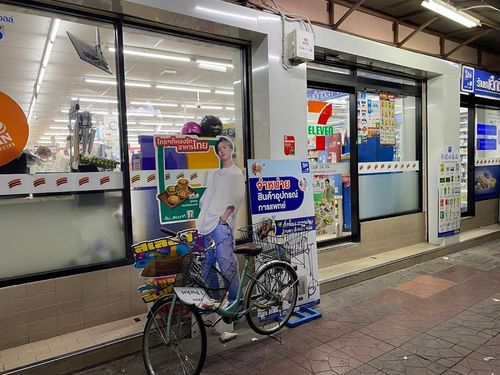
Khao San’s 24/7 reset button: ice‑cold A/C, ham‑cheese toasties, All Café iced lattes, water for 7–14 THB, and late‑night supplies from snacks to sunscreen—right by Rikka Inn.
Khao San Road
Attractions
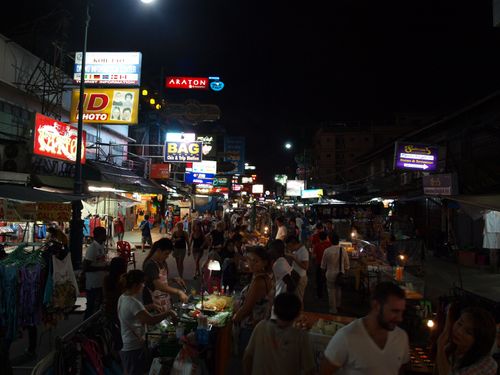
Bangkok’s backpacker carnival: curbside bars, live bands and DJs from 3pm–2am (midnight Sun). Street eats are cheap — pad thai 70–100 THB, mango sticky rice 60–100 THB. Come for wild people-watching; duck into Rambuttri for a calmer beer.
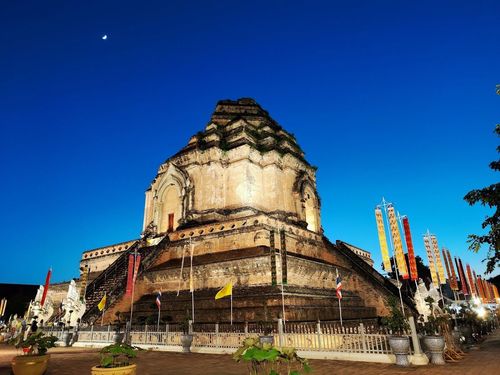
Wat Chedi Luang
Temples
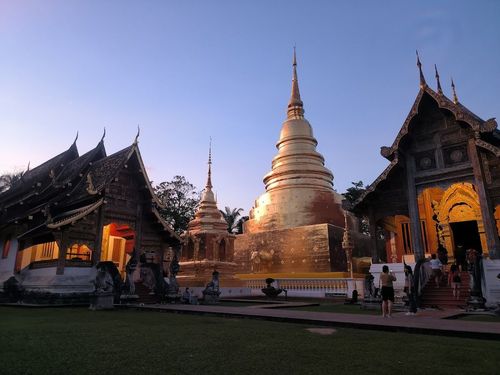
Wat Phra Singh Woramahawihan
Temples
More Khao San Road Guides
- How to Choose the Best Bangkok to Chiang Mai Route for Families, Solo Travelers, and Budget Backpackers
- How to Travel from Bangkok to Chiang Mai with a Stop in Ayutthaya: Best Route, Timing, and Luggage Tips
- Bangkok to Chiang Mai by Combined Transport: Best Flight-and-Overland Itineraries for Stopovers
- What to Pack for Thailand for Long Bus and Train Trips: Overnight Comfort, Security, and Easy-Access Essentials