
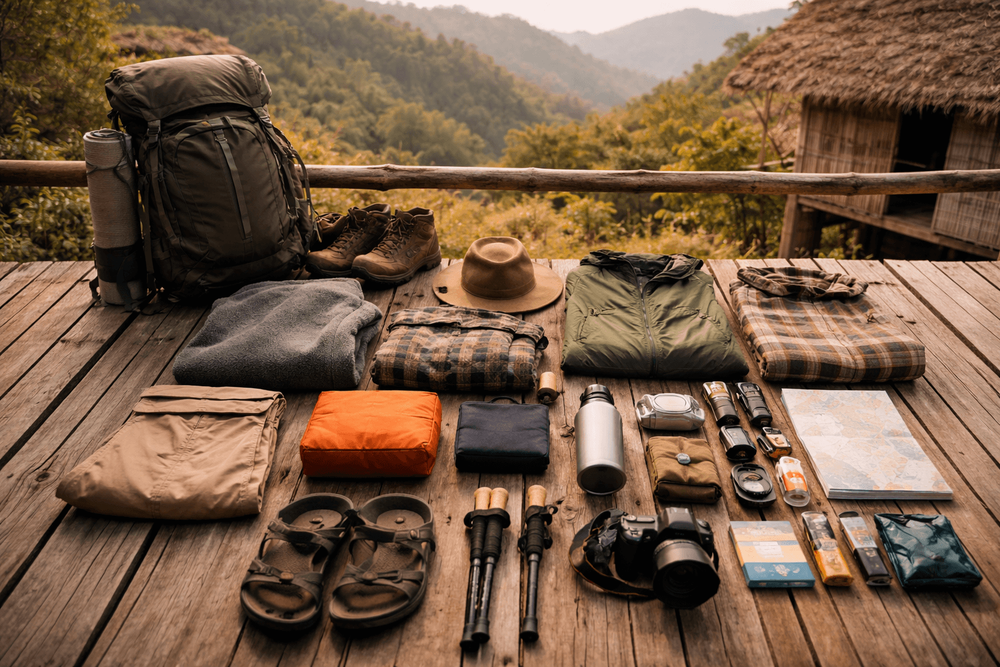
Backpacker Packing List for Thailand’s Northern Hill Trips: Cool-Morning Layers, Trekking Basics, and Village Comfort
Layers, trail gear, and respectful village wear for northern Thailand’s cool mornings and muddy treks — from Chiang Mai to Mae Hong Son. Pack light, stay warm.
We step off the songthaew at dawn and the mountains breathe fog around us — a thin, silvery shawl over terraced tea and bamboo huts. A rooster clears its throat somewhere behind a wooden fence; our breath fogs too. This is why we came north, and this is why a Thailand hill trip packing list is different from your sweaty Bangkok starter kit. Up here — Chiang Dao, Mae Hong Son, Doi Inthanon — mornings bite, trails slick over with dew, and that fleece you almost left behind becomes your best friend.
Data Freshness + Verification
- Prices are approximate (THB). Last checked: July 2026.
- For venue facts (name, hours, closures, boat/bus schedules), avoid absolutes; give typical ranges and add "confirm same-day locally."
- When citing any price, include neighborhood and, if known, source type (menu, recent visitor, operator site).
Concrete Planning Details
- Mini food crawl near Khao San Road/Phra Athit (pre- or post-trip):
- Roti Mataba (Phra Athit Road): Flaky roti with beef or massaman curry, 80–140 THB (menu, Phra Athit). Open most days late morning to late night; confirm same-day. Walk 3–5 minutes from Phra Sumen Fort.
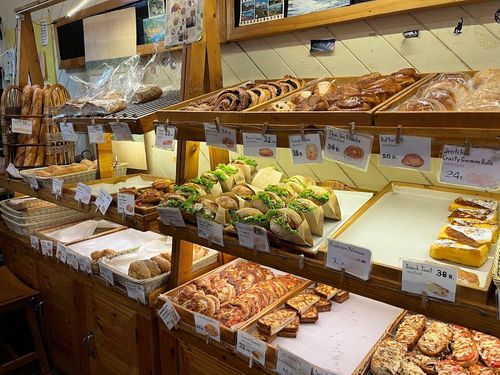
- Konnichipan Bakery (Chakrabongse Road): Grab curry puffs and pandan bread for the bus, 15–35 THB each (menu, Banglamphu). Walk 6–8 minutes from Roti Mataba.
- Pad Thai Thip Samai (Mahachai Road): The wok-sizzle mecca; orange-yolk pad thai wrapped in egg, 120–200 THB (menu, Old Town). Lines start ~5:30–6:00 pm; confirm same-day. Tuk-tuk 8–12 minutes from Khao San, or a 15–20 minute walk past the Golden Mount.
- Nightcap along Soi Rambuttri: mango sticky rice carts, 60–100 THB (street cart, Banglamphu). Walk 8–10 minutes back from Thip Samai if you strolled.
- Transit tips: From Phra Athit Pier, take the Chao Phraya Express boat (Orange Flag) for riverside connections; typical first boats ~6:00 am, last ~7:00–7:30 pm; confirm same-day locally.
Booking Suggestions (if relevant)
- For a pre-trek staging night, we usually crash somewhere simple around Phra Athit/Samsen — quiet enough to sleep, close enough to Khao San’s gear shops. Check availability a day or two out, especially Fri–Sun.
- In Chiang Mai, look at guesthouses near Tha Pae Gate or the Old City’s north moat for early pickup convenience; book your first night so guides can find you at sawadee o’clock.
Thailand Hill Trip Packing List: Essential clothing and footwear
Cool mornings, sweaty climbs by noon, and a chance of sudden mountain showers — we’re dressing for swings. Think layers that breathe, dry fast, and won’t offend in a village sala.
Your core layering system
- Base tops (2–3): Lightweight, quick-dry tees or long sleeves in merino or synthetics. Dark colors hide trail grime. You’ll wear one, pack one, wash one.
- Mid-layer (1): A thin fleece or light insulated jacket (200–350 g). North of Chiang Mai, sunrise at 1,000–2,000 m can flirt with 10–16°C in cool season.
- Shell (1): A packable rain jacket or poncho. Afternoon showers roll in fast along ridgelines.
- Bottoms (2): Breathable trekking pants or zip-offs. Shorts are fine on trail but bring one pair of long pants for temples and village respect.
- Sleep layer (1): Soft tee/leggings or light thermals if you run cold; bamboo huts can be drafty when the wind snakes through.
Typical prices (Bangkok/Banglamphu or Chiang Mai Old City):
- Quick-dry tee: 150–300 THB (market/Decathlon; menu tags)
- Fleece: 400–900 THB (gear shop)
- Packable rain jacket: 500–1,200 THB (gear shop/market)
Footwear: grip beats fashion
- Trail runners or light hikers: Prioritize grip for muddy single-track and slick leaf litter. Break them in before Pai’s 762 curves are behind you.
- Camp shoes: Flip-flops or slides for showers and around the fire ring.
- Socks: 3–4 pairs of moisture-wicking ankle or crew socks; one warmer pair for cool-season nights.
Head-to-toe sun and rain armor
- Hat with brim + buff or light scarf: Shade on exposed ridges, warmth when wind picks up.
- Compact umbrella: Doubles as sunshade in a pinch. 7‑Eleven specials run 100–160 THB (Banglamphu; shelf tag).
- Dry-on-the-go: A small microfiber towel is gold for rain-slick hair and riverside dips.
Modesty and village etiquette clothing
- Light long-sleeve and long pants for village dinners and temple visits en route. Shoulders and knees covered plays well in Lahu/Karen/Hmong communities and keeps mosquitoes off.
Must-have gear and accessories for trekking and villages
This is where the daypack does heavy lifting. We’re balancing comfort, safety, and sanuk — because we still want to enjoy the trail, not haul a closet.
Daypack and carry system
- 20–30 L daypack with a decent hip belt. Rain cover included or a separate dry bag liner. Look for side pockets that fit a 1 L bottle.
- Packing cubes or big zip-locks to separate dry from damp.
Water and filtration
- Two 1 L bottles or a 2 L hydration bladder. Trails can go dry between villages.
- Treatment: Sawyer Mini, SteriPEN, or chlorine dioxide tabs if you’ll refill from streams or village taps. Rural filters vary — bring your own system.
Power and light
- Headlamp with spare batteries or a rechargeable model (150–500 THB, Chiang Mai gear alleys; display tag). Night toilets are a thing; bamboo floors have gaps.
- Power bank 10,000–20,000 mAh for 2–3 days off-grid. Some homestays have a single outlet — first come, first charge.
- Universal adapter. Thailand uses Type A/B/C/O sockets; voltage 220V.
Weather and trail extras
- Dry bags (5–10 L): Keep clothes/phone dry in monsoon or khlong crossings.
- Trekking poles (collapsible): 300–600 THB at local markets; lifesavers on wet descents.
- Lightweight gloves and beanie (cool season): Not fashion, just warm.
- Gaiters or leech socks (rainy season, low valleys): Rare in peak dry season but handy if guides mention leeches.
- Compact first-aid pouch (see Health section) + blister kit.
- Small sit pad or sarong for trail lunches; doubles as temple cover-up.
Camp and comfort
- Silk/synthetic sleep liner if you’re squeamish about shared blankets. Homestays are clean but rustic.
- Earplugs: Roosters are early risers; village dogs gossip all night.
- Tiny spice kit or chili flakes packet. We’ve won dinner tables with a surprise dash of prik.
For dialed-in day-bag ideas, our urban starter list dovetails nicely with the hills: see Thailand Packing List for Backpackers: Day Bag Essentials for Flights, Temples, and Tours (/articles/thailand-day-bag-packing-list).
Health, safety, and personal care
Sun, bugs, and skin
- Sunscreen SPF 30–50, sweat-resistant. Mountain sun bites even when it’s cool.
- Insect repellent (DEET 20–30% or picaridin 20%). Mosquitoes party at dusk; sandflies love riverbanks.
- After-bite or hydrocortisone cream for itchy souvenirs.
- Lip balm with SPF; highland wind is sneaky.
Typical prices (Banglamphu or Chiang Mai Old City):
- Sunscreen: 200–450 THB (convenience store/chemist; shelf tag)
- Repellent: 80–220 THB (7‑Eleven/Boots; shelf tag)
First aid and meds
- Blister care: hydrocolloid plasters, tape, small scissors, antiseptic wipes.
- Pain/fever meds, antihistamines, rehydration salts.
- Motion sickness pills: Mountain roads to Pai/Mae Hong Son are curvy — pack just in case.
- Personal prescriptions with labels + copies of scripts.
Altitude notes: Most northern Thai treks stay below ~2,565 m (Doi Inthanon’s summit). That’s low for altitude sickness, but nights get chilly. Focus on warmth, hydration, and steady pacing.
Water safety: Not all village taps are treated. Boil, filter, or treat. Guides often boil kettles at dinner; still bring your own backup.
Dogs and strays: Rural dogs can be territorial. Don’t run; speak calmly, show open hands, and let your guide take point.
Insurance: Trekking coverage is smart. Screenshot your policy and emergency numbers offline.
Documents, money, and travel logistics for hill travel
ID, permits, and entries
- Passport or photo ID: Many treks are near borders; occasional checkpoints ask. Keep a passport photo on your phone.
- National park fees: Expect ~200–300 THB for major parks (e.g., Doi Inthanon, Doi Suthep-Pui) for foreign adults, plus vehicle fees if applicable; confirm same-day locally.
- If renting scooters for trailheads, carry your home license + International Driving Permit. Helmets are non-negotiable.
Cash and comms
- Cash: Villages are cash-only. Bring small notes (20s/50s/100s). ATMs thin out beyond Chiang Mai/Chiang Rai; pull cash in town.
- SIM/eSIM: AIS, True, and DTAC have strong coverage in hubs; valleys can go dark. Grab a weekly package before leaving town and download offline maps.
- Emergency contacts: 191 police, 1669 medical. Save your guide’s number and your homestay pin.
Buses, boats, and pickups
- Chiang Mai is your launchpad: tours pick up from the Old City between ~7:00–9:00 am (confirm same-day). Pai/Mae Hong Son buses roll from Arcade Bus Station; tickets vary by operator.
- From Bangkok, overnight train or bus gets us north without eating a day. Book ahead in high season (Nov–Feb); sleeper berths go fast.
Pro move: Stage near your pickup point. In Bangkok, we like a quiet guesthouse around Phra Athit for early airport buses and the easy blast of AC at 7‑Eleven before dawn.
Cultural and practical packing tips for Northern Thailand
Dress with respect
- Village time means family spaces. Cover shoulders and knees for dinners, ceremonies, and temple visits. A light scarf fixes most wardrobe sins.
- Swim modestly at waterfalls; locals may bathe in clothes.
For temple-heavy days, cross‑check with Thailand Packing List for Backpackers Visiting Temples, Shrines, and Royal Sites (/articles/thailand-packing-list-backpackers-temples-shrines-royal-sites).
Gifts and etiquette
- If your trek includes a planned village visit, ask your guide what’s welcome: fruit, school supplies, or buying local crafts is better than random handouts.
- Don’t hand out sweets to kids or single-use trinkets; it builds habits that outlast your trek.
- Learn a few Thai/ethnic greetings; a simple “sawasdee krub/ka” and a smile go miles.
Environment
- Pack out what you pack in; bins can be scarce. A small trash zip-lock keeps your daypack tidy.
- Refill water at homestays when possible; carry a filter to cut plastic.
What we skip
- Heavy jeans, bulky boots, hair dryers, and too many outfits. Laundry is easy — coin/self-service in Chiang Mai runs ~30–50 THB/kg (Old City; posted rates).
If you’re trimming to one-bag, our minimalist take helps you strip the non-essentials: Backpacker Packing List for Thailand’s Minimalist Travel: One-Bag Gear for Light, Flexible Trips (/articles/thailand-minimalist-packing-list).
Sample loadout (3–5 days, homestays + day hikes)
- Tops: 2 quick-dry tees + 1 long-sleeve sun shirt
- Bottoms: 1 trekking pants + 1 shorts (or second pants in cool season)
- Layers: 1 light fleece + 1 rain shell
- Footwear: trail runners + flip-flops; 3–4 pairs socks
- Head/hand: brimmed hat, buff, light beanie (cool season)
- Sleep: liner + warm socks (optional)
- Daypack: 20–30 L with rain cover; 2 L water capacity
- Dry bags: 5 L (clothes) + 2–3 L (electronics)
- Power: headlamp, 10–20K mAh power bank, adapter + cable
- Health: sunscreen, repellent, first-aid/blister kit, motion pills, personal meds
- Hygiene: toothbrush, biodegradable soap, small towel, hand gel, tissues
- Docs/Money: passport/ID copy, cash small notes, SIM with data, insurance info
- Extras: trekking poles (folding), earplugs, sarong, spice/salt sachets, notebook
For broader Thailand basics beyond the hills — buses, beaches, and Bangkok heat — start with Backpacker Packing List for Thailand (/articles/backpacker-packing-list-for-thailand-2026-04-24). And if your trip straddles Chiang Rai’s cool dawns and Bangkok’s night markets, keep a separate temple/urban set ready in your main pack.
Getting there and timing your hill run
- Seasons: Cool/dry (Nov–Feb) is peak for crisp mornings and clear views; hot (Mar–May) can be smoky from agricultural burn — check air quality; rainy (Jun–Oct) brings green hills and leeches — pack rain gear and expect trail changes.
- Staging cities: Chiang Mai for Doi Inthanon/Chiang Dao/Mae Taeng; Chiang Rai for Doi Mae Salong/Phu Chi Fa; Mae Hong Son for Ban Rak Thai and out-there Karen villages.
- Transport: Minivans run frequent but pack tight; those 7‑Eleven seaweed snacks won’t help if you’re motion-sick — med up 30 minutes before departure.
Final field notes from the trail

We’ve shivered at dawn tea in Ban Rak Thai, sloshed along fern-dark khlongs near Chiang Dao, and warmed our fingers around tin cups of coffee while a wok hissed eggs into breakfast over a wood fire. Pack light but pack smart: a fleece, a shell, solid shoes, and a daypack that won’t fight you. We’ll see you on the ridge when the mist burns off and the hills roll out like dragon backs — and back on Soi Rambuttri for sticky rice under the neon when we’re done.
Related Hotels & Places
Konnichipan Bakery
Cafes
Konnichipan Bakery is your quick breakfast stop off Khao San—fresh pastries, croissants and coffee at backpacker-friendly prices. Grab a bag to go before exploring Rattanakosin; it’s fast, no fuss, and hits the spot.
Phra Sumen Fort
Attractions
1783 riverfront fort on Phra Athit with white battlements, park breezes, and killer sunset views over Rama VIII Bridge. Free entry; best from 5–7pm before the gates close at 9pm.
Khao San Road
Attractions
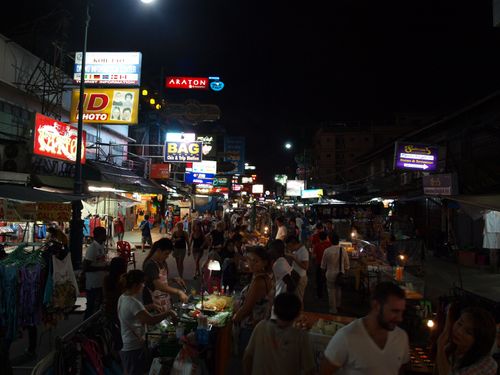
Bangkok’s backpacker carnival: curbside bars, live bands and DJs from 3pm–2am (midnight Sun). Street eats are cheap — pad thai 70–100 THB, mango sticky rice 60–100 THB. Come for wild people-watching; duck into Rambuttri for a calmer beer.
Recommended Products
More Khao San Road Guides
- Backpacker Packing List for Thailand’s Northern Hill Trips: What to Bring for Cool Mornings, Motorbike Rides, and Mountain Town Stays
- Backpacker Packing List for Thailand’s Northern Hills: Cool Mornings, Trekking, and Temple Stops
- Thailand Packing List for Backpackers Visiting Northern Hill Areas: Cooler Mornings, Uneven Ground, and Layering Basics
- Backpacker Packing List for Thailand’s Northern Highlands: Cool Mornings, Mountain Roads, and Layering Basics