
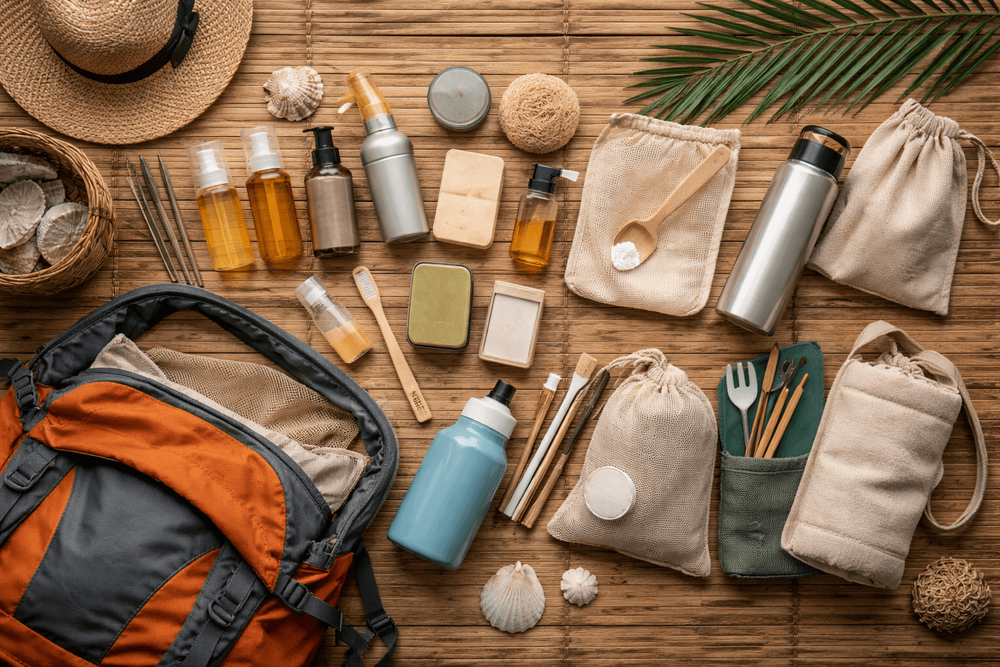
Backpacker Packing List for Thailand’s Budget Refill Travel: Toiletries, Detergents, and Reusable Basics
Pack light, refill smart: reusable, TSA-friendly essentials for Thailand—plus where to top up in Bangkok, islands, and beyond to save baht and waste.
We shoulder our packs on Soi Rambuttri just as the grills start to hiss and the tuk-tuks begin their evening purr. The air smells like fish sauce and fried garlic, and that sweet rot of durian lingers by the fruit cart. Two doors down, a 7-Eleven blasts us with AC—sanuk in aerosol form—and we top up our bottle before drifting toward Phra Athit Road and the river breeze. This is where a Thailand refill packing list pays off: reusable basics, refillable toiletries, and a rhythm of topping up as we go instead of hauling half a bathroom across the world.
Thailand Refill Packing List: What and Why
A Thailand refill packing list is our blueprint for traveling lighter, cheaper, and with less waste by carrying reusable containers and picking up refills on the road. Thailand is built for it: big water jugs at guesthouses, sachets and pouches of shampoo in every corner shop, coin-op laundries tucked behind noodle stalls, and refill shops popping up in Bangkok and Chiang Mai. We pack small and refill often. The payoff is quick:
- Convenience: We decant into 100 ml bottles, glide through airport security, and restock near Khao San Road or at any Boots/Watsons in Siam, Silom, or the malls along Sukhumvit.
- Cost savings: Refill pouches and laundry sachets cost a fraction of full bottles. Expect 1.5 L drinking water at 7-Eleven for 14–20 THB, coin laundry at 30–50 THB per wash, detergent sachets 5–10 THB.
- Less waste: Single-use plastics pile up fast in the tropics. With a refill habit, we sip from a single bottle for the whole trip, and our toiletries don’t become landfill before we make it to the Golden Mount.
The Refillable and Reusable Essentials
Let’s build the kit from the ground up—stuff that works in Bangkok heat, on island ferries, and in the mountain air of Chiang Mai.
Water, Filtration, and Electrolytes
- Reusable bottle (750 ml–1 L): Stainless or BPA-free plastic with a solid screw cap. Screw caps leak less in swelter than flip-tops.
- Optional filter bottle: Handy upcountry when you’re far from shops, though in cities we usually refill from hotel dispensers or buy big jugs. Tap water in Bangkok isn’t recommended for drinking; stick to filtered or bottled.
- Refill options: Many hostels and guesthouses keep 20 L jugs for guest use; ask at check-in. Street RO machines charge about 1 THB per liter if you see them tucked near apartment blocks. On islands, water is pricier; top up before ferries from the mainland.
- Electrolyte packets: ORS runs 10–20 THB per sachet at pharmacies. A lifesaver after a sweaty day or a too-spicy bowl of boat noodles by the khlong.
Toiletry Containers and Solids
- Leak-proof 100 ml bottles: Wide-mouth silicone or HDPE bottles with good seals. Pack 3–4 for shampoo, body wash, conditioner, and sunscreen.
- Solid backups: Shampoo/soap bars won’t explode in your daypack on a sweltering bus to Ayutthaya.
- Where to refill: Refill pouches of shampoo/conditioner/body wash are everywhere—7-Eleven, Lotus’s, Big C, Tops, Watsons, Boots. Expect 30–80 THB for common brands in 150–400 ml pouches. Some zero-waste shops will refill from bulk into your bottles—bring your empties.
Sunscreen, After-Sun, and Reef Sense
- Sunscreen: The sun in Krabi or Koh Lanta does not play. Decant your favorite into 100 ml bottles. Reef-considerate formulas matter if you’re diving in Koh Tao or snorkeling near Koh Phi Phi. Local prices vary—often 250–600 THB for 50–100 ml—and some imported brands cost more, so bring at least a starter supply.
- After-sun gel (aloe): Available everywhere, but we carry a small refillable tube to avoid sticky bombs.
Bug Defense and Bite Care
- Repellent: Soffell and other DEET/picaridin sprays are cheap and common (80–150 THB for travel size) at 7-Eleven and pharmacies. Mosquitoes rise with dusk along the Chao Phraya and in jungle edges.
- Bite gel or antihistamine cream: Small tube in a 50 ml pot. Top up as needed.
Laundry That Actually Dries
- Travel-size detergent: A screw-cap 100 ml bottle of liquid or a few powder sachets. Coin laundries run 30–50 THB per wash; dryers are rarer and cost 10 THB per 10 minutes, so clotheslines rule.
- Elastic clothesline + sink plug: Hand-wash quick-dry clothes in the evening; rig the line near a fan. Humidity in Bangkok means heavier fabrics sulk on the hanger.
- Mesh bag: Keeps socks from bailing out of drum washers.
Food and Drink Reusables
- Collapsible cup or insulated tumbler (350–500 ml): Great for cha yen (Thai iced tea) or Americanos. Some cafés knock 5–10 THB off if you bring your own.
- Spork + small folding knife: Night market survival kit. Mango sticky rice bowls are easier with your own utensil.
- Flat or nesting tiffin: If you love street food picnics on Phra Athit’s river wall, a light stainless container wins. Optional but satisfying.
Bags, Dry, and Dust
- 5–10 L dry bag: For ferries to the islands, Songkran splashes, and general downpours. Protects phones and passports when a khlong taxi kicks spray over the prow.
- Foldable tote: Thailand’s plastic bag rules vary, but bags cost more and tear quicker than you’d like. A tote carries fruit, noodles, and whatever you grabbed at Chatuchak.
First-Aid and Hygiene, Refill-Ready
- Travel hand sanitizer: 30–60 ml flip-top in a secondary zip bag. Refill from a 250 ml bottle bought locally.
- Bandages and blister plasters: Pharmacies abound; you can restock in a heartbeat.
- Oral rehydration salts, paracetamol, and any personal meds: Bring critical prescriptions in labeled original packaging and a doctor’s note. For a deeper checklist, we lean on the advice in Thailand’s medical packing guide here: Thailand Packing List for Backpackers with Medical Needs: Medicines, Prescriptions, and Health Essentials.
Thailand-Specific Refill Realities (Heat, Islands, Cities)
Thailand’s climate and travel routes shape how we pack and where we refill.
Heat and Humidity
Bangkok’s April feels like walking into a hot towel. Liquids expand; cheap flip-tops weep into your pack. Choose screw caps, tighten before each transit, and slip a layer of tape under the lid for long hauls. Powder detergents can clump—if you go powder, double-bag them. Foot powder helps inside sneakers after a day pounding Khao San’s slabs.
Beaches and Islands
On small islands, options shrink and prices rise. Sunscreen can jump 20–40% and specialty products vanish. We pre-buy in Krabi Town, Phuket Town, or Surat Thani before boarding ferries. Bring a dry bag for splashy transfers. Reef-considerate sunscreen isn’t a gimmick in places like Koh Tao—pack it or expect slim pickings.
Cities and Tourist Hubs
Bangkok is refill heaven. Around Khao San Road and Soi Rambuttri, pharmacies and convenience stores are within flip-flop distance, and more eco-minded refill shops exist in central neighborhoods. Chiang Mai’s Old City and Nimman area have similar options. Hostel water dispensers are common—ask at check-in and top up before grabbing the Chao Phraya Express boat.
Transport Days
Flights mean the 100 ml rule matters; buses and trains mean leaks matter. Keep liquids in an easy-grab pouch for airport screening. On long-haul buses, stand bottles upright in an outer pocket and assume the worst over speed humps on Ratchadamnoen Avenue.
How to Choose Refill Gear That Survives Thailand
We’ve boiled it down to a few principles that keep us traveling light without sticky surprises.
Lightweight, Not Fragile
- Skip glass. HDPE/PP or silicone travel bottles survive bus bays and ferry piers.
- Wide-mouth openings simplify refills from pouches and bulk dispensers.
- Silicone O-rings and screw caps beat flip-tops in Bangkok’s heat.
TSA-Friendly and Carry-On Smart
- Keep liquids at 100 ml or less for international flights. If you want the full nerdy breakdown on toiletries and refills through security, this guide is gold: What to Pack for Thailand Backpacking with Carry-On Liquids Only: Toiletries, Toiletry Rules, and Refill Strategy.
- Many domestic Thai flights are relaxed, but don’t count on it. Pack once; pass anywhere.
Eco Without the Fuss
- Prefer refill pouches and bulk top-ups over single-use sachets; they pack flatter and cut waste.
- Reusables that actually get used: bottle, tote, tumbler, and a tiny cutlery set.
Cleanability and Labeling
- Smooth interiors clean faster in a guesthouse sink. A tiny brush helps with sunscreen goo.
- Label bottles with painter’s tape (soap, shampoo, SPF) and refresh when it peels. If you want to impress your market vendor, scribble sabu (soap) or nam man (oil) for fun—English works fine too.
Pack Strategy: Decant, Top Up, Repeat
- Start with partially filled 100 ml bottles—enough for the first week.
- Buy a single 200–400 ml pouch locally and use it to refill everything. Share with your travel buddy, or gift the remainder to the next backpacker in your soi.
- Long-stayers, you’ll love this mindset alongside a minimalist kit: Backpacker Packing List for Thailand’s Long-Stay Slow Travel: Reusable, Refillable, and Low-Stress Essentials.
Common Refill Mistakes to Avoid
We’ve made (and cleaned up) these so you don’t have to.
- Overpacking full-size bottles: They eat space and leak. Decant small, refill cheap.
- Bringing niche products that are hard to find locally: Curly-hair gels, mineral-only sunscreens, fragrance-free everything—if these matter, bring what you need. Otherwise adapt to local options.
- Relying on single-use items in places with limited recycling: On islands, skip disposable cutlery and styrofoam boxes whenever you can. Your tote and tiffin matter most out there.
- Trusting flip-top bottles: They love to open themselves on the back of a bumpy tuk-tuk. Screw caps, always.
- Forgetting whitening agents: Many Thai body products include “whitening.” If you don’t want that, read the label; look for “no whitening” or avoid “whitening/brightening” claims.
- Ignoring double-bagging: A cheap insurance policy for repacked sunscreen and shampoo.
Know Before You Go: Refill Reality in Thailand
- Tap water: Safe for brushing teeth in Bangkok, but we don’t drink it. Use hotel dispensers, refill stations, or sealed bottles.
- Water prices: 1.5 L bottles 14–20 THB at 7-Eleven; coin RO machines ~1 THB/L; island mark-ups are normal.
- Laundry: Self-serve coin machines are everywhere in Bangkok neighborhoods and near guesthouses—30–50 THB per wash, dryers extra. Full-service laundries charge by the kilo and often return clothes next day.
- Pharmacies: Ubiquitous, friendly, and inexpensive. For a full pre-trip document and meds rundown, check our checklist: Smart Packing for Thailand: Medications, Toiletries, and Travel Documents Checklist.
- Buying vs bringing: If you’re on an ultralight mission, it’s easy to land with empties and stock up in the first hour around Khao San. We compare the trade-offs here: Thailand Packing List for Backpackers on a Pack-Light Budget: Rewear, Buy-Local, and Reduce Luggage Costs.
Sample Thailand Refill Packing List (What Goes in Our Bag)
- Hydration: 1 L screw-cap bottle; 4–6 ORS packets; optional filter bottle.
- Toiletries (all 100 ml): Shampoo, conditioner, body wash, sunscreen; 30–60 ml sanitizer; tiny toothpaste or tooth tabs; deodorant (solid or paste in 30 ml tin).
- Skin/health: After-sun gel (50–100 ml), repellent (50–100 ml), bite cream, lip balm with SPF, a few bandages, any prescriptions.
- Laundry: 100 ml liquid detergent or 4 powder sachets; elastic clothesline; sink plug; mesh bag.
- Food/drink: Collapsible cup or tumbler; spork; light tiffin (optional).
- Bags: 5–10 L dry bag; foldable tote; 2 spare zip bags for leaks.
- Tools: Mini bottle brush; roll of painter’s tape for labels.
When We Actually Buy, Refill, or Skip
- Day 1 in Bangkok: We land with half-full 100 ml bottles and a thirst. Refill water at our guesthouse off Soi Rambuttri, then duck into 7-Eleven for ORS and a laundry sachet.
- Week 1: After a sweaty sprint to the ferry, we top up sunscreen and repellent in town before sailing out. Island prices sting; mainland prices don’t.
- Week 2–4: We buy a single 300 ml pouch of shampoo in Chiang Mai, refill our bottles, and still have some left to swap with a farang buddy at the hostel kitchen. Laundry happens in coin machines behind the market—detergent from a tiny refill bottle tucked in our daypack.
We’ll be honest: the crowds, the heat, the bass thump from a Khao San bar at 2 AM—none of that changes. But with a refill mindset, we glide through it lighter, cooler, and with a few more baht left for that perfect bowl of boat noodles by the khlong. Pack the small stuff, refill the rest, and we’ll see you on Phra Athit with a clinking tiffin and an iced coffee in a cup you brought yourself.
Related Hotels & Places
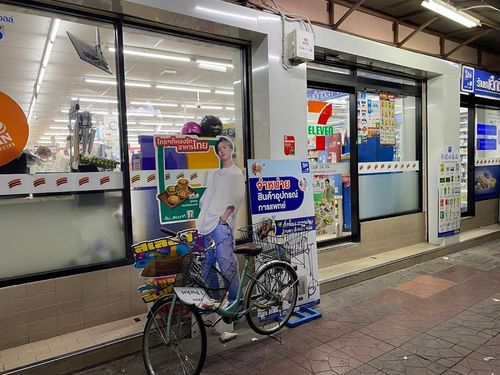
7-Eleven
Shops
Khao San’s 24/7 reset button: ice‑cold A/C, ham‑cheese toasties, All Café iced lattes, water for 7–14 THB, and late‑night supplies from snacks to sunscreen—right by Rikka Inn.
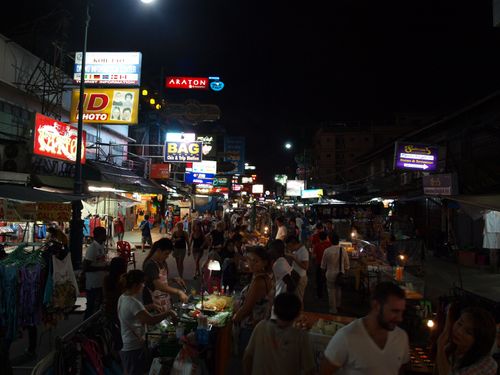
Khao San Road
Attractions
Bangkok’s backpacker carnival: curbside bars, live bands and DJs from 3pm–2am (midnight Sun). Street eats are cheap — pad thai 70–100 THB, mango sticky rice 60–100 THB. Come for wild people-watching; duck into Rambuttri for a calmer beer.
More Khao San Road Guides
- Backpacker Packing List for Thailand for Ultralight Travel: One-Bag Setup and Minimal Essentials
- What to Pack for Thailand for Budget Backpackers: Ultra-Light Gear, Laundry Strategy, and Multi-Use Clothing
- Backpacker Packing List for Thailand for Budget Laundry and Rewearing: How to Pack Light and Stay Fresh Longer
- Backpacker Packing List for Thailand for Two-Week Trips: Laundry, Rewearing, and Minimal Wardrobe Planning