
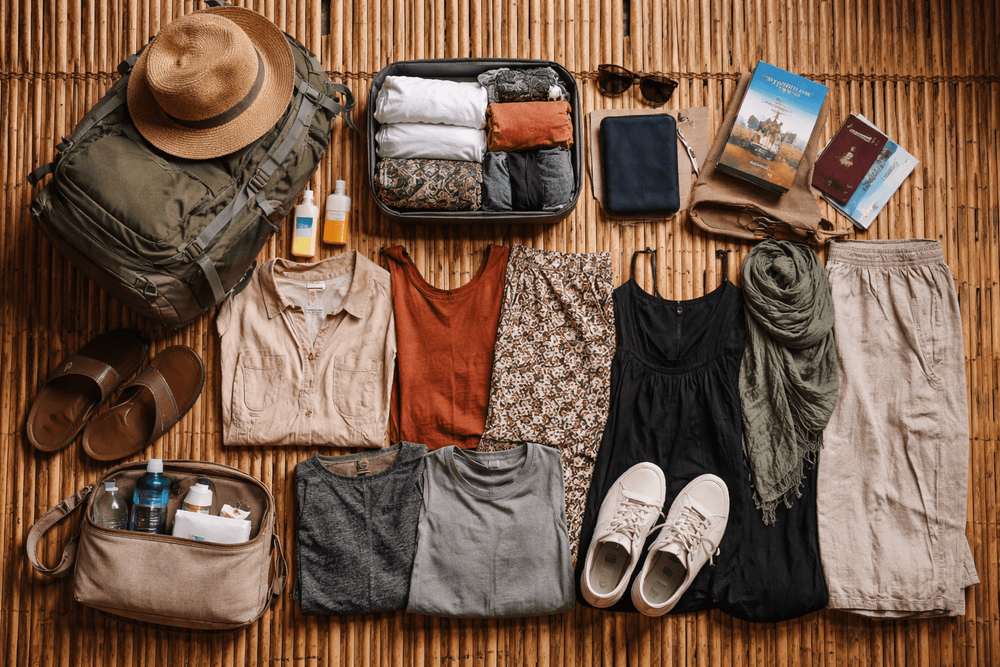
Backpacker Packing List for Thailand’s Temple-and-Transit Days: Easy-Remove Layers, Modest Basics, and Carry-On Organization
Pack smart for temple-and-transit days in Thailand: modest layers, light day bag, and river-ready essentials for boats, buses, and wats.
We’re stepping off the Chao Phraya Express at Tha Tien with the river still glittering on our shins, incense in the air, and a day pack that doesn’t squeak when we move. Wat Pho is yawning awake, tuk-tuks are prowling for early birds, and our shoulders are covered because this isn’t our first rodeo. This is our Thailand temple transit packing list in action—lean, respectful, and ready for a day that might ping-pong from a shrine to a sleeper train.
Your Thailand Temple Transit Packing List
Temple mornings, bus terminals by noon, night market noodles by dusk—days like this are why we keep our gear light, our layers easy to peel in Bangkok heat, and our valuables locked down. Use this as a working kit for Bangkok, Ayutthaya, Sukhothai, Chiang Mai, and those small-town Wat you find at the end of a dusty soi.
Essential clothing and modest attire for Thai temples
Bangkok heat will hug you like a damp blanket, but temple dress codes aren’t negotiable. We cover shoulders and knees, we skip anything clingy or sheer, and we pack at least one emergency layer for when a guard raises an eyebrow.
What we wear on temple days:
- Lightweight, breathable tops that cover shoulders: quick-dry tees, linen camp shirts, or airy rayon button-ups. Sleeveless is a no for most temple interiors.
- Bottoms to or past the knee: loose pants, travel chinos, midi/maxi skirts, or tailored long shorts that hit the knee. Athleisure tights are better layered under a tunic-length top.
- Easy-remove layer for transit AC: a thin overshirt or light scarf. The BTS, airport buses, and overnight coaches can feel like the inside of a walk-in freezer.
- Backup modesty pieces: one sarong or large scarf (light cotton) and a pair of thin leggings. The sarong fixes surprise dress-code checks; leggings rescue short skirts on the fly.
- Fabrics we trust: linen blends, cotton gauze, Tencel/lyocell, and performance synthetics that don’t hold sweat stink. We avoid heavy denim and anything that turns see-through when damp.
- Socks in a zip pocket: many temple interiors require shoes off; cool floors, hot courtyards, and surprise no-shoe zones make a spare pair of ankle socks clutch.
Color tip: darker tops hide sweat maps when the sun wins. Patterned rayon is your friend for looking put together after a hot tuk-tuk ride.
If you want a deeper dive on respectful options and how to mix layers without melting, we keep a dedicated rundown here: What to Pack for Thailand for Temple and Cultural Sightseeing: Respectful Clothing, Easy Shoes, and Day-Bag Essentials.
Transit-friendly packing basics for moving between cities
Bangkok to Chiang Mai, then a swing through Ayutthaya or Sukhothai—temple country pairs great with transit days. We keep things carry-on small and bus-shelf friendly.
- Main pack (30–40L): soft-sided with a slim profile and a hip belt you actually use. Aim for under 7 kg to dodge most low-cost airline fees.
- Day pack (15–20L): clamshell or top-loader with lockable zips. This lives on your lap or under your feet on buses and trains, never in overhead limbo.
- Packing cubes or compression sacks: one for clothes, one for “hygiene/chargers,” one for temple day kit. Color code to grab and go at dawn.
- Rain cover and/or dry bag liner: storms roll in fast in rainy season; bus bays spray mist; long-tail boats on the khlongs splash with enthusiasm.
- Small cable lock: to loop a zipper or tether your bag to a train bunk. Not Fort Knox, just nuisance-proofing.
- Money belt or flat neck wallet: not for all-day wear (sweaty sanuk killer), but perfect for passports and spare cards during transit.
- Power bank (10,000–20,000 mAh), dual cable, and a tiny 2-port charger: phones do double duty as tickets, maps, and language lifelines.
- Reusable water bottle (750 ml–1L): refilled at hostels or with a compact filter; if you buy, 7-Eleven water runs about 10–20 THB.
- Foldable tote: groceries, wet rain jacket, temple snacks. Disappears until it doesn’t.
- Microfiber towel (small): for sweat, rain, and that mystery splash on the ferry.
- Copies (paper and digital): passport bio page, visa/entry slip, and travel insurance.
When we’re bouncing between wats and wheels, we stash the main pack at a guesthouse near Soi Rambuttri or Phra Athit Road, then carry everything we’d cry about losing on our backs.
If you’re building your kit from scratch, our broader backpacker list can help you choose the versatile pieces first: Thailand Packing List for Backpackers Visiting Temples, Shrines, and Royal Sites.
Temple visit essentials (aka your small-but-mighty kit)
- Footwear: slip-on sandals with a heel strap or breathable low-top sneakers. You’ll pop shoes off for ubosots and viharns; make it fast. We skip flip-flops that fly on stairs.
- Socks: thin ankle socks for hot courtyards; pack an extra pair in a zip bag if you hate putting damp back on.
- Sun and heat armor: brimmed hat, SPF 50 sunscreen, sunglasses, and a tiny folding umbrella. Bangkok sun can barbeque you by lunchtime.
- Light sweat towel or bandana: doubles as a lens cloth and a peace offering to your forehead.
- Hydration and snacks: water plus a small salty snack (seaweed sheets, peanuts). Temple exploring is sneaky cardio.
- Cash and coins: small bills (20s, 50s, 100s) for entry fees and donations. Big-ticket sites can be around 100–500 THB, many smaller wats are free.
- ID: passport copy and your actual passport if you’re catching a train or domestic flight after the temple run.
- Minimal toiletries: pocket tissues, hand sanitizer, lip balm, a couple of plasters. Some restrooms are BYO tissue.
- Modesty backup: compact scarf/sarong even if you “should” be covered—temple guards have the final say, and rented cover-ups aren’t guaranteed.
- Phone lanyard or wrist strap: courtyards, ferries, and khlong boats turn phones into splash magnets.
For a focused day-bag checklist with weight-saving swaps, tap our pocket guide: Thailand Packing List for Backpackers: Day Bag Essentials for Flights, Temples, and Tours.
Cultural etiquette items and practical prep
Thailand runs on respect and rhythm. Our packing helps us do both without being the loud farang in the wrong shorts.
- Coverage counts: shoulders and knees covered for men and women inside sacred spaces. Crop tops and tank tops live in the pack until post-temple smoothies.
- Feet etiquette: shoes off when you see the shoe racks; don’t point your toes at Buddha images; sit with legs tucked to the side if you’re unsure.
- Hats and sunglasses off indoors: a small stuff sack or carabiner keeps your shades from running away.
- Quiet layers: jangly bracelets and clacking buckles echo in serene halls. We keep metal to a minimum.
- Avoid: drones, vape gear, and big tripods at temples—often banned, always awkward. Leave them stored or at your accommodation.
- Small trash bag: wrappers, tissues, and citrus peels wait until you find a bin. Not every courtyard has one.
- Sweat strategy: talc-free body powder, a dab of anti-chafe balm where thighs say “hi,” and a spare top if you’re meeting monks or friends after.
- Scam radar: if a friendly stranger says “temple closed,” smile, sawadee, and keep walking. The orange-flag boat and your feet go just fine.
Regional travel considerations for temple hopping
Thailand’s regions have their own tempos: Bangkok blasts, Chiang Mai breezes, Isaan dust, southern squalls. We tweak our kit by season and route.
Rainy season (roughly May–Oct)
- Packable rain jacket or poncho (those neon 7-Eleven ponchos go for about 30–50 THB and actually work).
- Quick-dry everything: shirts, socks, and underwear that won’t sulk for days on a hostel rail.
- Dry bag for phone and passport: size 2–5L is perfect for boats, buses, and sudden sky tantrums.
- Sandal strategy: sandals dry faster than sneakers; bring thin wool socks if you get cold on the AC-heavy rides after a drench.
Cool season (roughly Nov–Feb)
- Thin mid-layer (light fleece or merino long sleeve) for early mornings in Chiang Mai or temple summits near Doi Suthep.
- Buff or scarf for open-air transport; night buses can blast Arctic air.
Hot season (roughly Mar–Apr)
- Lighter colors, looser weaves, and more frequent shirt swaps. Electrolyte packets turn your water into a leg-saver.
Day trips and one-bag runs
- Leave the big pack: ask your guesthouse to store it while you bounce to Ayutthaya or Nakhon Pathom.
- Transit shuffle: for boats and river taxis, keep electronics mid-pack, not in the outer pocket where spray loves to land.
- Overnight trains: cable lock through your pack handle; valuables stay with you. Earplugs and an eye mask can feel heaven-sent.
Buses, trains, taxis, and tuk-tuks
- Buses: your bag may ride underneath; keep a photo of the luggage tag and your day pack with all essentials on you.
- Trains: older carriages sway; stash bottles upright and zip small items or they’ll surf the floor.
- Taxis/Grab: verify the plate before you hop in; toss your day pack on the floor behind your calves, not the seat where it can slide.
- Tuk-tuks: fun but breezy—secure hats and scarves unless you like the look of your hat in a khlong.
Sample day-bag loadout for temple-and-transit days
This is what we actually carry when we start at Wat Arun Ratchawararam Ratchawaramahawihan, swing through Hua Lamphong’s area for a snack, then jump on an afternoon train north.
- Documents: passport, copy, and one credit card zipped in an inner pocket
- Phone with offline maps and tickets, plus a 10,000 mAh power bank + short cable
- Cash: around 500–800 THB in small bills and coins for ferries, entry, and snacks
- Water bottle (1L) + electrolytes sachet
- Hat, sunglasses, mini umbrella
- Sunscreen (small tube), hand sanitizer, pocket tissues, lip balm
- Sarong/scarf and thin leggings (backup modesty kit)
- Socks (spare) and a micro towel
- Snack: banana, onigiri from 7-Eleven, or grilled pork skewers (10–15 THB each from a street cart when the wok sizzles your name)
- Lightweight packable rain shell (seasonal)
- Tiny first-aid: 2 plasters, ibuprofen, and a dab of anti-chafe
Everything rides in a 15–20L pack with a chest strap so the weight disappears when we’re power-walking Phra Athit Road at noon.
Getting around old Bangkok with this kit
- Chao Phraya Express Boat (Orange Flag): hop at Saphan Taksin (BTS Saphan Taksin) and ride upriver for about 16–20 THB. Jump off at Tha Tien for Wat Pho and the cross-river ferry to Wat Arun (around 5 THB). Keep your phone in the middle of your bag—diesel spray is a rite of passage.
- Khlong boats: fast, splashy, and handy for cutting crosstown. A dry bag saves tears.
- Walking circuit: Soi Rambuttri to Khao San’s thump to Phra Athit’s breezy riverfront makes a perfect pre- or post-temple stroll when the sun dips.
Packing mistakes we’ve actually made (so you don’t)
- Wearing heavy denim: feels like a wet towel after fifteen minutes. Swap for linen-blend pants.
- Forgetting socks: marble floors can be cool bliss or frying pans; socks buy you dignity.
- All-black outfit: love the chic, hate the noon sun. Break it up with a light shirt.
- Overstuffing the front pocket: boat spray, sudden downpours, and rogue mango juice always find the outer zip first.
- No small change: ferries and donation boxes don’t love 1,000 THB notes. Break bills at 7-Eleven with a cold water.
Where to sleep between temple runs
We usually base ourselves near Soi Rambuttri for old-city temples or around Sathorn/Silom when we want quick BTS/boat links. In Chiang Mai, the Old City puts wats at your doorstep and khao soi minutes from your pillow. Keep accommodation copies and a Thai address on your phone for taxi drivers; showing a map beats miming every time.
Know before you go: dress codes, costs, and comfort
- Dress code: shoulders and knees covered inside temple buildings. Some sites rent cover-ups, but stock and sizes vary—your sarong is faster.
- Entry fees: major sites can be around 100–500 THB; smaller neighborhood wats are often free. Donations keep the place glowing.
- Ferries and river taxis: coins and small bills speed you through the turnstile—no fumbling while the boat thumps the pier.
- Water and snacks: 7-Eleven AC is the city’s unofficial temple—cold air blast, cheap water (10–20 THB), and emergency toasties.
- Tuk-tuks: agree on a price before rolling; avoid “special temple tour” detours unless you enjoy gem shops.
- Respect: photos are fine in many areas but never during active prayer unless invited. We put phones away and let the quiet do its work.
When the last bell rings and the river picks up its evening glitter, we’ll be the ones crossing back to Tha Tien with salt on our lips and room in the day pack for a bag of mango sticky rice. If you pack like this, temple doors open easier, and surprise rides—from tuk-tuks to night trains—feel like part of the plan rather than a scramble. See you on the pier at dawn.
Related Hotels & Places
Wat
Temples
Khao San Road
Attractions
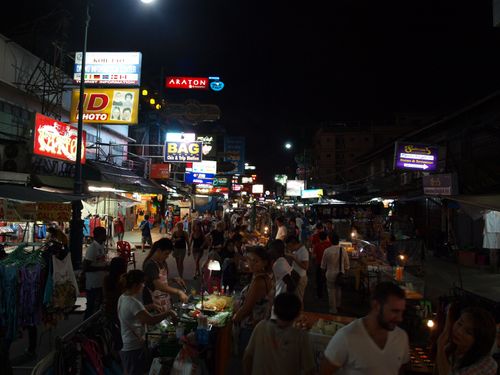
Bangkok’s backpacker carnival: curbside bars, live bands and DJs from 3pm–2am (midnight Sun). Street eats are cheap — pad thai 70–100 THB, mango sticky rice 60–100 THB. Come for wild people-watching; duck into Rambuttri for a calmer beer.
Wat Arun Ratchawararam Ratchawaramahawihan
Temples
More Khao San Road Guides
- What to Pack for Thailand Backpacking on Temple-and-Town Routes: Respectful Clothes, Easy Shoes, and Daypack Basics
- Backpacker Packing List for Thailand: What to Pack for Temples, Markets, and Everyday Respectful Dress
- Backpacker Packing List for Thailand for Temple and Respectful Dress Days: Cover-Ups, Footwear, and Easy Layering
- What to Pack for Thailand for Temple and City Day Trips: Modest Clothes, Easy Carry, and Entry-Ready Essentials