
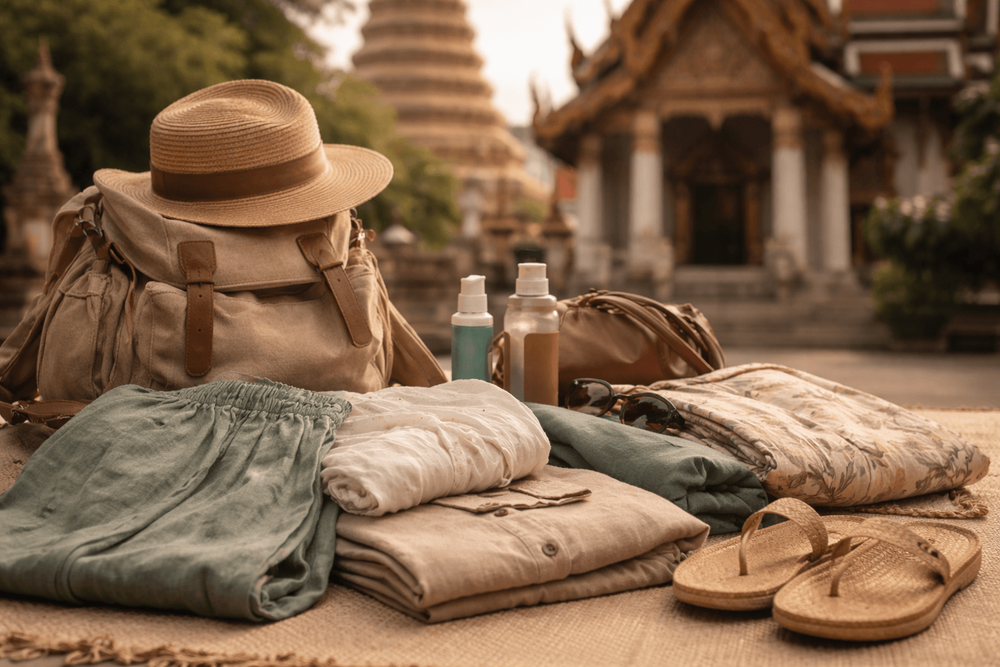
What to Pack for Thailand for Temple Etiquette and Conservative Dress Codes
Dress right for Thai temples without melting. Sleeves, knees, breathable layers, smart footwear, and seasonal tips to stay respectful—and comfortable.
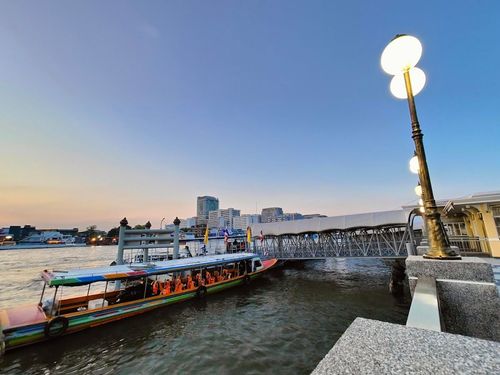
We step off the Chao Phraya Express at Tha Chang Bangkok, heat rising off the pavement like steam from a wok. The white walls of the Grand Palace glare, a guard waves us toward the entrance, and there’s that quiet little shudder we all get when we clock the “No Shorts, No Sleeveless” sign. This is where thailand temple dress code packing either saves the day—or sends you hunting for a pricey wrap you’ll never wear again.
Thailand Temple Dress Code Packing: What Respect Looks Like
Visiting Thai temples (wats) is sanuk—deeply fun—and deeply respectful. The rules are simple, but they matter.
- Shoulders and knees covered: Both men and women. T-shirts are fine; tank tops and spaghetti straps aren’t. Skirts, shorts, or pants should reach at least to the knees.
- No see-through or clingy fabrics: Sheer chiffon over a bralette might be cute on Soi Rambuttri at night, but it reads too revealing in daylight at Wat Pho.
- Ditch the ripped or distressed look: Torn jeans, gaping holes, and frays will get you turned away at stricter spots like Wat Phra Kaew (Grand Palace).
- Shoes off inside: Expect to remove footwear before entering temple buildings. Socks are usually okay, but some ubosots (ordination halls) ask for barefoot—follow signs.
- Hats off, sunglasses off inside: Eyes up, voice down. A temple is a sacred space and an active place of worship.
- Feet etiquette: Don’t point your feet at Buddha images or monks. Sit with legs tucked to the side or cross-legged, toes tucked in.
- Photos: Always check signage. No flash in murals halls; sometimes no photography inside at all. Never climb on Buddha statues for selfies.
- Women and monks: Women shouldn’t touch monks or hand items directly; set things down for a monk to pick up.
Some major sights enforce rules strictly. At the Grand Palace, shawls over tank tops are sometimes rejected; you may need an actual top with sleeves. If you miss the mark, many temples rent or sell cover-ups for a small fee or deposit (expect a few hundred baht at major attractions).
For a deeper, item-by-item checklist beyond this guide, see our focused breakdown: What to Pack for Thailand for Temple Visits and Respectful Dress: Clothing Rules and Practical Essentials.
The Packing List That Actually Works
We’ve sweated through enough Bangkok summers to know what keeps you cool, respectful, and camera-ready.
Core clothing we swear by
- Lightweight long pants: Breathable cotton-linen blends or modern quick-dry fabrics. Think airy—not yoga tights. Darker colors hide sweat.
- Midi or maxi skirts and culottes: Flow, not cling. Make sure they cover the knees even when you walk or sit.
- Sleeved tops: Crew tees, polos, or linen shirts with short sleeves. If you run hot, technical fabrics (the Uniqlo Airism kind) are lifesavers.
- One conservative outfit: For stricter days (Grand Palace, important ceremonies), pack a full-coverage set—lightweight pants and a sleeved top that passes without question.
Smart layers and cover-ups
- Large scarf or light shawl: The Swiss Army knife of temple travel—instant shoulder cover, sun shield, or knee wrap. Go opaque and generous in size.
- Featherweight cardigan or travel shirt: Buttons add polish when you duck into solemn spaces.
- UV sleeves: Slip these on if you’re in a breathable tank while transiting, then swap to a sleeved top before entering a wat (or layer the sleeves under a loose top).
Footwear strategy (and socks that save your soles)
- Slip-on shoes or sandals with a back strap: You’ll take them on and off a dozen times. Avoid heavy boots or finicky laces.
- Thin socks in your day bag: Marble and tile get scorching at midday; socks protect your feet between doorways. Keep a clean dry pair; if a shrine is barefoot-only, pop them back in your bag.
- Temple mat hack: A foldable microfiber towel can double as a foot mat when you stop outside to unlace.
Accessories that make temple days easy
- Compact umbrella or packable rain jacket: Rain rolls in fast from the khlongs; shade is shade, rain or shine.
- Electrolyte packets: When your shirt turns into a second skin, these save you from heat wobble.
- Sunscreen and bug repellent: Fragrant frangipani courtyards sometimes come with cheeky mosquitoes.
- Reusable water bottle: Refill at cafés or your guesthouse; Bangkok’s heat is no joke.
- Mini deodorant and wipes: You’ll thank us after climbing the Golden Mount.
- Light belt pouch or cross-body: Keep cash ready for donations (20–100 baht notes), tickets, and ferries.
If you’re packing for different travelers
- Men: Breathable chinos or tech trousers + polo/tee with sleeves. A cotton button-down upgrades your look for palace complexes.
- Women: Opaque tops that don’t cling when damp, longer skirts or wide-leg pants, and a shawl. Avoid sheer fabrics that reveal bras when backlit.
- Kids: Same rules—covered shoulders and knees. Quick-dry shorts that reach the knees and a soft tee work well.
For a printable-style checklist focused on cultural sites, have a look at: What to Pack for Thailand Temple Visits and Cultural Sites.
Seasonal Realities: Heat, Humidity, Rain, and Tiles
Bangkok’s seasons are less “four” and more “hot, hotter, and please-where’s-the-AC.” Your thailand temple dress code packing should flex with the weather.
- March–May (hot season): It’s a face-melting 35°C+ by midday. Go for loose weaves, moisture-wicking tees, and light colors. Plan your strictest-dress-code spots for early morning. A folding fan in your pocket buys you ten minutes of grace inside a stuffy hall.
- June–October (rainy season): You’ll get sun, then a sudden downpour that clangs like a cymbal on temple roofs. Quick-dry pants, sandals with grip, and a small umbrella mean you keep moving while others huddle under awnings.
- November–February (cooler, relatively): Temperatures are kindest, crowds are not. A light cardigan helps with the shock of blasting AC when we duck into 7‑Eleven for a top-up of water or a 14‑baht soft serve.
Tiles and steps can be slick after rain; slow down. Wet clothes can turn see-through—another reason to stick with thicker weaves and darker hues.
Common Dress-Code Mistakes to Avoid
We see these outside Wat Arun Ratchawararam Ratchawaramahawihan every week.
- Short shorts or micro-minis: If your hem jumps when you walk, it’ll jump over the knee on steps. That’s a no.
- Sleeveless tops and crop tops: Even with a shawl, some temples say no. Pack a proper sleeved shirt.
- Sheer or clingy leggings: Unless paired with a tunic that covers your hips and mid-thighs, leggings read as too revealing.
- Ripped or distressed jeans: Especially rejected at the Grand Palace.
- Offensive slogans or Buddha prints on clothing: Just don’t.
- Wet beachwear: Bangkok is not the beach; arrive dry and covered.
If you slip up, you’ll find sarongs or rental trousers near entrances. They work, but the fabric can be scratchy and hot—and you’ll pay temple prices. Better to prep and keep moving.
Temple-Specific Variations and How to Check
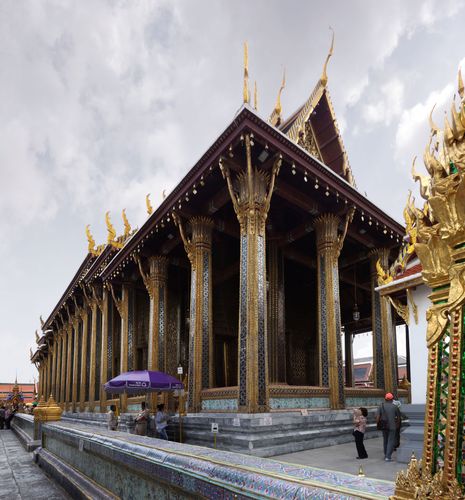
- Grand Palace & Wat Phra Kaew (Rattanakosin): Strictest checks. Shoulders must be genuinely covered; shawls over tank tops are risky. Long pants or skirts below the knees—no slits.
- Wat Pho (Reclining Buddha): Enforced, but not as intense. Still, dress conservatively; it’s a working monastery and massage school.
- Wat Arun (Thonburi): Expect checks at the entrance. Stairs up the prang are steep; long, non-flowy skirts can bunch, so wide-leg pants shine here.
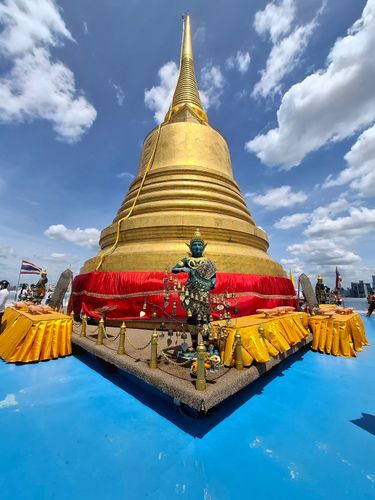
- The Golden Mount (Wat Saket Ratchawora Mahawihan): More forgiving, but you’ll be in photos that feel sacred—dress the part.
- Neighborhood wats: Friendlier gates, same respect. During ceremonies (ordination, funerals), standards tighten.
Some northern or especially sacred temples may ask for more coverage (ankles and forearms). Check the temple’s official page or a recent Google Business update, read the signboards at the gate, or ask your guesthouse reception. If someone on the street tells you a temple is “closed today, special holiday,” smile, keep walking, and verify at the official entrance—classic farang scam near the Grand Palace.
Packing and Day-Bag Game Plan for a Temple Day
Here’s how we load a small day pack without turning it into a sauna.
- Folded sleeved top or light cardigan: Insurance if you left the guesthouse in a strappy number.
- Shawl: Shoulder cover, sun blocker, and sudden modesty tool.
- Thin socks: For hot steps and tiles.
- Compact umbrella or jacket: Rain and shade on demand.
- Water + electrolytes: Sip constantly; Bangkok doesn’t forgive bravado.
- Wet wipes and mini deodorant: Reset after climbing 300 steps.
- Power bank: You’ll drain battery shooting murals and river light.
- Cash in small bills: Entrance fees, ferries, donations (20–100 baht), street snacks.
For a tighter, traveler-tested checklist that fits carry-on life, check our: Thailand Packing List for Backpackers: Day Bag Essentials for Flights, Temples, and Tours.
Know Before You Go: Hours, Fees, and Getting There
- Best time: Early morning to beat heat and tour buses. Sunset at Wat Arun glows like a mango shake—dress right and you float through the crowd.
- Entrance fees: Neighborhood wats are often free or donation-based; major sights run higher (budget a few hundred baht for the big names, more for the Grand Palace). Keep small change handy.
- Rentals and cover-ups: Available at many gates for a fee or refundable deposit; quality varies.
- Transport: BTS to Saphan Taksin (S6), then hop the Chao Phraya Express Boat upriver to Tha Chang for the Grand Palace/Wat Pho area. Cross-river ferries to Wat Arun cost coins—usually under 10 baht. Tuk-tuks are fun but agree on price first; metered taxis often end up cheaper.
- Behavior: Remove shoes where marked, keep voices low, don’t sit higher than monks, and avoid public displays of affection on temple grounds.
Where We Crash Between Wats
We like to base ourselves near Phra Athit Road or Soi Rambuttri: mellow nights, easy river access, and a short stroll to the Chao Phraya boats. If you’re more skytrain-minded, staying around Saphan Taksin puts ferries and the BTS at your door. Bonus points for a pool; there’s nothing like dunking yourself after a morning circuit of Rattanakosin’s white walls and gold spires.
If you want gender-specific guidance to dial it all in, we break it down here too:
- Women-specific essentials and outfits that pass temple rules while staying cool: Thailand Packing List for Female Travelers: Clothes, Comfort, and Safety Essentials
- Men-specific picks that hit the sweet spot between breezy and respectful: Thailand Packing List for Male Travelers: Lightweight Clothing and Travel Essentials
Quick Recap: Your Always-Ready Temple Kit
- Sleeved top + knee-covering bottoms
- Opaque scarf or shawl
- Slip-ons + socks in the bag
- Compact umbrella, water, electrolytes
- Small bills for ferries and donations

Dial in your thailand temple dress code packing once, and every wat becomes an easy, graceful stop on your Bangkok wander. We’ll meet you by the river pier—scarf over the shoulder, socks in the bag, ready to glide from Wat Pho’s reclining Buddha to sunset on the Arun prang like we’ve done this a hundred times (because we have).
Related Hotels & Places
Wat Phra Kaew
Temples
Bangkok’s holiest temple inside the Grand Palace. Go early (8:30am–3:30pm). Buy the 500 THB ticket at Na Phra Lan Rd gate. Dress code enforced. Marvel at Ramakien murals and the tiny Emerald Buddha whose robes change with the seasons. 10–15 minutes’ walk from Khao San.
Wat Arun Ratchawararam Ratchawaramahawihan
Temples
Wat Saket Ratchawora Mahawihan
Temples
Tha Chang Bangkok
Bars
Bar on Khao San Road.
Recommended Products
More Khao San Road Guides
- What to Pack for Thailand for Temple and City Day Trips: Modest Clothes, Easy Carry, and Entry-Ready Essentials
- What to Pack for Thailand for Temple and Cultural Sightseeing: Respectful Clothing, Easy Shoes, and Day-Bag Essentials
- Backpacker Packing List for Thailand for Temple and Respectful Dress Days: Cover-Ups, Footwear, and Easy Layering
- What to Pack for Thailand for Temple and Mosque Visits: Modest Clothing, Covers, and Easy-Remove Shoes