
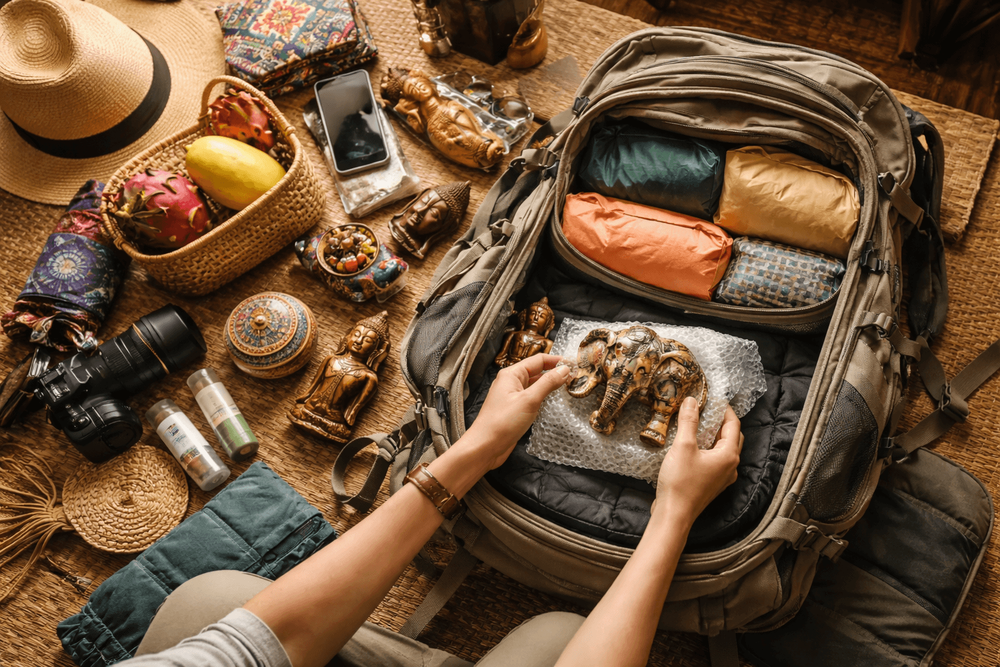
Backpacker Packing List for Thailand: How to Pack for Markets, Souvenirs, and Fragile Finds
The Thailand souvenir packing list that saves fragile ceramics, snacks, spices, and liquids—plus airline rules, customs tips, and pro-level packing hacks.
We’re shoulder-to-shoulder in Chatuchak, sweat beading under the brim of a cap we bought five minutes ago, trying not to knock a tray of hand-painted Benjarong teacups while the vendor fans us with a laminated price list. Thailand souvenir packing list The scent of lemongrass hangs in the air, a wok sizzles somewhere down Soi 25 of Section 2, and we’re already calculating which bag gets the mango sticky rice pans, which gets the silk, and how we’re going to smuggle that carved wooden elephant past our airline’s weight limit without a drama.
What We Actually Buy in Thailand (and What Needs Extra Care)
Bangkok (and beyond) Some souvenirs survive rough baggage handlers. Others need bubble-wrap hugs and strategic packing to make it home in one piece.
- Ceramics and glass: Benjarong porcelain, celadon bowls from Chatuchak and Chiang Mai vendors, handblown tumblers from small studios around Ari. Fragile, heavy, corner-cracking liabilities that demand padding and center-of-bag placement.
- Spices and curry pastes: Dried chili, prik pao (chili jam), massaman and green curry pastes from Or Tor Kor or Sampeng Lane in Chinatown. Pastes count as gels/liquids. Seal them. Double-bag them. Check them.
- Snacks: Durian chips, tamarind candy, Thai tea mix (ChaTraMue), coffee from Chiang Rai, seaweed sheets. Mostly carry-on safe, but oil-coated snacks can weep; isolate to avoid greasy T-shirts.
- Textiles: Raw silk, batik scarves, handwoven cotton from Isaan collectives, fisherman pants that multiply in your daypack. Lightweight, compressible, but stain and snag easily.
- Wood and metal: Carved teak elephants, lacquerware, brass bells from the Amulet Market near Tha Chang Bangkok Pier, steel cooking cleavers from Sampeng Lane. Bulky and often spiky—edge protection is key.
- Liquids: Essential oils, spa products, fish sauce (please don’t), nam pla wan (sweet fish sauce dip), local rum or craft gin from a duty-free splurge. All over 100 ml? They must be checked.
- Art and prints: Temple rubbings, Ratchawat street-art prints, rolled canvas from galleries near Charoen Krung. Easy if you bring a tube; nightmarish if you don’t.
Note on Buddha images and antiques: Thai law restricts exporting Buddha images and genuine antiques without permits. Lots of farang carry tiny amulets home without issue, but the legal line exists. If it looks old or sacred, get documentation or skip it. And yes, gem scams still lurk around the Grand Palace—if a tuk-tuk driver swears it’s your lucky gem day, it isn’t.
Thailand Souvenir Packing List: Gear That Saves Your Haul
We pack light coming in so we can pack smart going out. Here’s the kit we swear by, buy on the ground (7-Eleven, Big C Market Pantip Chiangmai, MR.DIY, B2S, and even stalls around MBK). Prices shift, but expect everyday items to run 30–150 baht.
- Foldable duffel (30–40L): Your overflow valve. Flat on arrival, hero on departure.
- Packing cubes: One for clean clothes, one sacrificial cube for snack overflow and dusty textiles.
- Dry bag (10–20L): Rainstorms happen; so do leaky curry pastes. A roll-top dry bag is your insurance.
- Zip-top bags (various sizes): From tiny for amulets to 5L for big snack hauls. Double-bag liquids and oily snacks.
- Bubble wrap sheets + tape: Buy locally; tape the wrap, not the item, so you don’t glue a glaze.
- Stretch/cling film: For lids and caps—wrap, then tape. Game-changer for sauces and oils.
- Painter’s or masking tape + Sharpie: Label flavors, dates, and “FRAGILE—CERAMIC” so you remember what’s where.
- Cardboard flats or corner protectors: Ask vendors or Thailand Post for scrap. Shields for plates and framed art.
- Inflatable bottle sleeves or wine skins: For booze and fish-sauce-shaped heartbreakers. Cheap at supermarkets or travel shops.
- Silica gel packets: Toss in with textiles and spices to fight Bangkok humidity.
- Reusable shopping tote (foldable): Your market mule along Sampeng or Soi Rambuttri.
- Lightweight scarf or microfiber towel: Extra padding layer and sweat mop at once.
- Cable ties + spare TSA lock: Reinforce zips. Tie duffel handles together to avoid blowouts.
- Digital luggage scale: The difference between smug and sweating at check-in.
Pro tip: Many ceramics sellers at Chatuchak will pack your set with foam and tape if you ask—sawadee and a smile go far. We still add a personal layer of protection and favor carry-on for the most delicate pieces.
Airlines, Customs, and Baggage: The Boring Bits That Save Trips
We love sanuk as much as the next khlong-hopper, but a few rules keep the journey home smooth.
- Liquids and gels: In carry-on, each container must be 100 ml or less, all in a 1L zip bag. Anything bigger (oils, curry pastes, sauces, perfumes) goes in checked.
- Alcohol: Check your destination’s duty-free allowance (often 1L for spirits). If you buy in duty-free, keep bottles sealed in the tamper-evident bag with the receipt until you clear your final arrival.
- Food rules at home: Some countries restrict meat, seeds, and fresh produce. Dried spices and candies are usually fine, but check your country’s customs website before you buy that spicy pork floss.
- Sharp or heavy items: Knives, blades, and metal decor always in checked baggage. Wrap edges with cardboard and tape.
- Weight and size: Budget airlines like AirAsia and Nok Air can be strict—carry-on allowances hover around 7 kg, and checked bags are cheaper if you pre-book. Measure and weigh at your hostel before you roll out.
- Lithium batteries: Power banks stay in carry-on by global rule. Don’t bury them under fish sauce in your checked bag.
- Export rules: Skip “antique” Buddha heads and anything that feels illicit. If you buy real antiques, get a permit from the Fine Arts Department—expect paperwork, not convenience.
- Receipts and VAT Refund: Big purchases from eligible stores can qualify for Thailand’s VAT refund scheme (look for “VAT Refund for Tourists”). Keep receipts and the yellow form; allow time at Suvarnabhumi or Don Mueang to process.
How to Pack Specific Souvenirs
Snacks and Dried Foods
- Group by oiliness: Seaweed sheets and dried mango together; durian chips and coconut rolls together; anything greasy gets a sacrificial zip bag.
- Create a snack brick: Stack flat items, compress in a cube, and wedge in the center of your backpack so they don’t shatter.
- Heat check: Chocolate-coated treats will liquefy on a midday tuk-tuk run. Buy late in the day or keep them near your AC unit until checkout.
Spices and Curry Pastes
- Pastes = gels: Over 100 ml must be checked. Even tiny leaks travel. Wrap the lid in cling film, screw tight, tape, then double-bag.
- Dried spices: Vacuum-sealed is best. If you’re scooping loose chili at Or Tor Kor, ask for an extra bag and tape the seam.
- Odor control: A few coffee beans or tea sachets in the cube help out-compete prik pao perfume.
Ceramics and Glass
- The burrito method: Bubble wrap each piece individually, then roll in a T-shirt or scarf. Tape the wrap, not the ceramic.
- Plate armor: Cardboard circles on both sides of a plate, then wrap. Stack no more than 3 plates together.
- Bag geometry: Heavy and fragile go dead center of a checked suitcase, closest to the wheel base, with soft items all around. No ceramics against a bag wall.
- Carry-on for the precious: If it’ll ruin your week to lose it, carry it—just keep individual items under 100 ml if they’re vessels with liquid (perfume bottles, etc.).
Textiles and Clothing
- Roll, don’t fold: Fewer creases, better compression. For silk, use tissue paper if you have it; otherwise, a clean cotton T-shirt layer works.
- Moisture defense: Toss silica gel packs in. Store silk in a large zip bag to keep market dust and rain out.
- Stain triage: If a fabric smells like a Chinatown wok, isolate it in a bag until laundry day.
Liquids: Oils, Sauces, Perfume, and Alcohol
- Triple defense: Cling film on the cap, electrical tape over the seal, then double zip-bag. Nestle in a dry bag for belt-and-suspenders.
- Bottles: Use inflatable sleeves or wrap in socks and a sweater. Keep them vertical in the center if possible.
- Duty-free relay: If you have a connecting flight, make sure the duty-free bag stays sealed to survive transit security.
- Fish sauce reality check: We love nam pla, but one leak and your backpack will smell like a khlong. Consider buying at home.
Wood, Metal, and Odd Shapes
- Edge guards: Pipe insulation or folded cardboard around sharp or pointy sections (carvings, bells, cleavers). Tape firmly.
- Splinter prevention: Wrap wood in a thin plastic layer before fabric to avoid snagging silk and scarves.
- Balance the load: Put dense metal items low and central so your bag doesn’t become a top-heavy bowling ball.
Art and Prints
- Bring or buy a tube: B2S or stationery shops sell poster tubes cheaply. Cap both ends and tape.
- Flat art: Sandwich between two cardboard sheets and slide into a packing cube front panel.
Weight, Moisture, and Organization: Practical Reminders
- Start with spare capacity: We leave a third of our main pack open on arrival and tuck a foldable duffel into a shoe. The sanuk comes later.
- Pack heavy low: Near the wheel base of rolling luggage or close to your spine in a backpack. Your shoulders will thank you on Phra Athit Road.
- Rain happens: In wet season, a 10L dry bag earns its place every single day. Even in cool mall AC, condensation is a thing.
- Inventory as you go: Snap photos of receipts and high-value items. If customs asks, you’ve got proof.
- Segregate smells: Durian chips and fishy snacks in their own realm. A coffee sachet in the snack cube is the Bangkok hack you never knew you needed.
- Test your locks: Cable ties for the duffel zips, TSA lock for the main suitcase, and a quick photo of your bag before check-in.
- Weigh at the hostel: That tiny digital scale saves frantic repacks on the airport floor at Don Mueang.
Know Before You Go: Where to Shop and How to Carry It Home
- Chatuchak Weekend Market: BTS Mo Chit or MRT Chatuchak Park. Go early before the heat builds. Many stalls have basic packing; ask nicely for extra wrap.
- Sampeng Lane (Chinatown): MRT Wat Mangkon, then follow the thump and glitter. It’s narrow and busy—tote bag on the shoulder, valuables zipped. Perfect for fabric trims, snacks, and housewares.
- Or Tor Kor Market: MRT Kamphaeng Phet. Cleaner, pricier, incredible quality dried fruit, spices, and gift sets with tidy packaging.
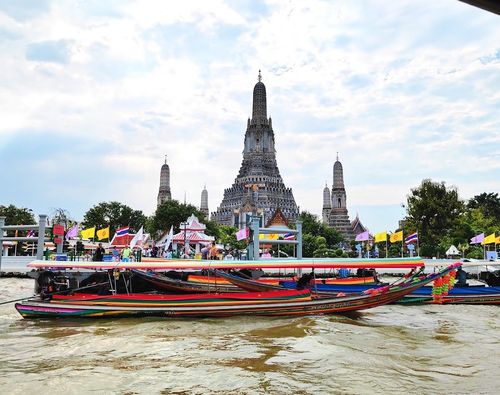
- Amulet Market by Tha Chang: Hop the Chao Phraya Tourist Boat ICONSIAM Pier. Small, delicate, and very easy to lose—bring tiny zip bags and a hard case.
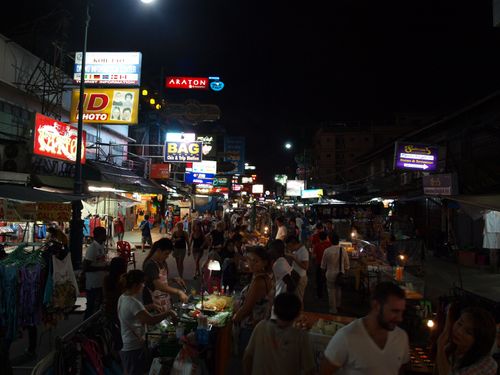
- Banglamphu circuit (Khao San Road, Soi Rambuttri, Phra Athit): Late-night browsing with crunchy spring rolls and basslines in the background. Great for T-shirts, elephant pants, and bargaining practice.
Money and safety in markets: Cash still rules in many stalls. We keep big notes tucked away and small change in a front pocket so we’re not flashing a roll on Yaowarat Chinatown Heritage Center. For a deeper dive on carrying money securely, we lean on the tips in Thailand Backpacker Packing List for Carrying Cash, Cards, and Travel Security (/articles/thailand-backpacker-packing-list-carrying-cash-cards-travel-security).
Day-of packing: Our market day bag is simple—foldable tote, a few zip bags, tape, and a microfiber towel to stop sweat from soaking packaging. If you’re dialing in your day kit, this helps: Thailand Packing List for Backpackers: Day Bag Essentials for Flights, Temples, and Tours (/articles/thailand-day-bag-packing-list).
Leaving room in the big picture: If you’re planning a long wander with laundry cycles and extra space for souvenirs, see Thailand Packing List for Backpackers on a Long-Term Trip: Reusable Gear, Laundry Setup, and Durable Basics (/articles/thailand-long-term-packing-list-reusable-gear-laundry-durable-basics). First-timers? The Thailand Backpacker Packing List for First-Time Visitors: Essentials, Don’ts, and What You Can Easily Buy There (/articles/thailand-backpacker-packing-list-first-time-visitors-essentials-donts-buy-there) keeps your base kit lean so there’s space for spice packets and porcelain.
A word on where we crash: We usually base ourselves within tuk-tuk distance of the Chao Phraya—Banglamphu for the street food and mellow mornings on Phra Athit, or near Ari for calm nights and indie shops. A lobby scale, friendly staff, and a stash of spare cardboard from deliveries are quiet luxuries when you’re wrapping a mini bazaar.
Troubleshooting: What If Something Breaks or You Overbuy?
- Cracked ceramic: Keep the shards wrapped, contact the vendor if you have details; some will offer a replacement if you’re still in town. Otherwise, Kintsugi it at home.
- Overweight bag: Shift dense items (spices, metal decor) to carry-on if allowed and under 100 ml/none sharp. Wear your heaviest shoes and jacket to the airport.
- Too much loot: Mail it. Thailand Post offers EMS and airmail options—boxes and tape on-site. Photograph labels and receipts. We avoid random “we ship for you” promises unless it’s a known shop with tracking.
- Surprise leak: Don’t panic. Pull the item, wipe everything with the microfiber, isolate the offender in a dry bag, and rewrap with that backup cling film.
A Last Lap Around the Market
We’ll take one more lazy loop down Soi Rambuttri, grab a Thai tea to go, and feel the blessed blast of 7-Eleven AC as we stock last-minute zip bags. With a dialed Thailand souvenir packing list, we can say yes to delicate porcelain, messy curry pastes, and that absurdly good-smelling lemongrass oil—then watch them roll out of Suvarnabhumi as pristine as the day we bought them. Meet you at Or Tor Kor—we’ll be the ones negotiating for chili flakes by the kilo and packing like pros at a cafe table.
Related Hotels & Places
Amulet Market
Markets
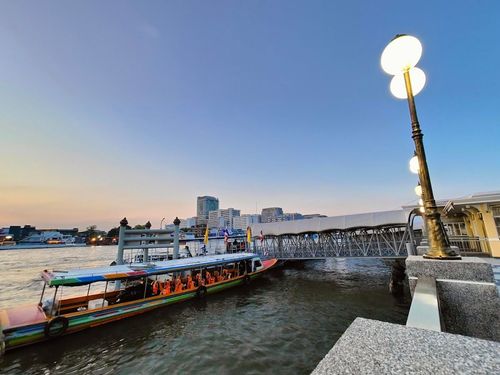
Tha Chang Bangkok
Bars
Bar on Khao San Road.
Yaowarat Chinatown Heritage Center
Attractions
Inside Wat Traimit by Chinatown Gate, this tidy museum charts Yaowarat’s Chinese roots with bilingual displays, period photos and short films. Open Tue–Sun 8:30am–4:30pm; closed Mon. Pair it with the Golden Buddha upstairs.
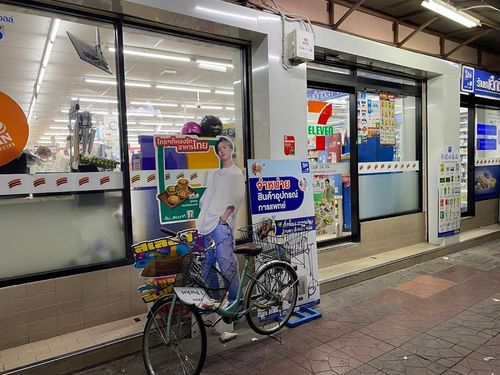
7-Eleven
Shops
Khao San’s 24/7 reset button: ice‑cold A/C, ham‑cheese toasties, All Café iced lattes, water for 7–14 THB, and late‑night supplies from snacks to sunscreen—right by Rikka Inn.
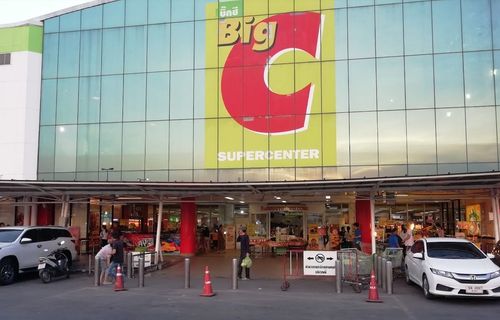
Big C Market Pantip Chiangmai
Shops
MR.DIY
Shops
Chao Phraya Tourist Boat ICONSIAM Pier
Services
Hop on the blue‑flag tourist boat at ICONSIAM to cruise Wat Arun, Wat Pho, the Grand Palace and Chinatown. Day pass ~150 THB, boats every ~30 mins, last runs around 7:15pm. Easiest river launchpad via BTS Gold Line to Charoen Nakhon.
Khao San Road
Attractions
Bangkok’s backpacker carnival: curbside bars, live bands and DJs from 3pm–2am (midnight Sun). Street eats are cheap — pad thai 70–100 THB, mango sticky rice 60–100 THB. Come for wild people-watching; duck into Rambuttri for a calmer beer.
Recommended Products

More Khao San Road Guides
- What to Pack for Thailand for Markets, Bargain Shopping, and Souvenir Hauls: Foldable Bags, Cash Control, and Fragile Finds
- Backpacker Packing List for Thailand’s Markets and Night Bazaars: Cash, Bags, and Buy-As-You-Go Gear
- Backpacker Packing List for Thailand for Markets, Nightlife, and Cheap Souvenirs: Foldable Bags, Small Notes, and Safe Carry
- What to Pack for Thailand for Backpackers Who Buy Local: Starter Gear to Bring Before You Shop in Bangkok