
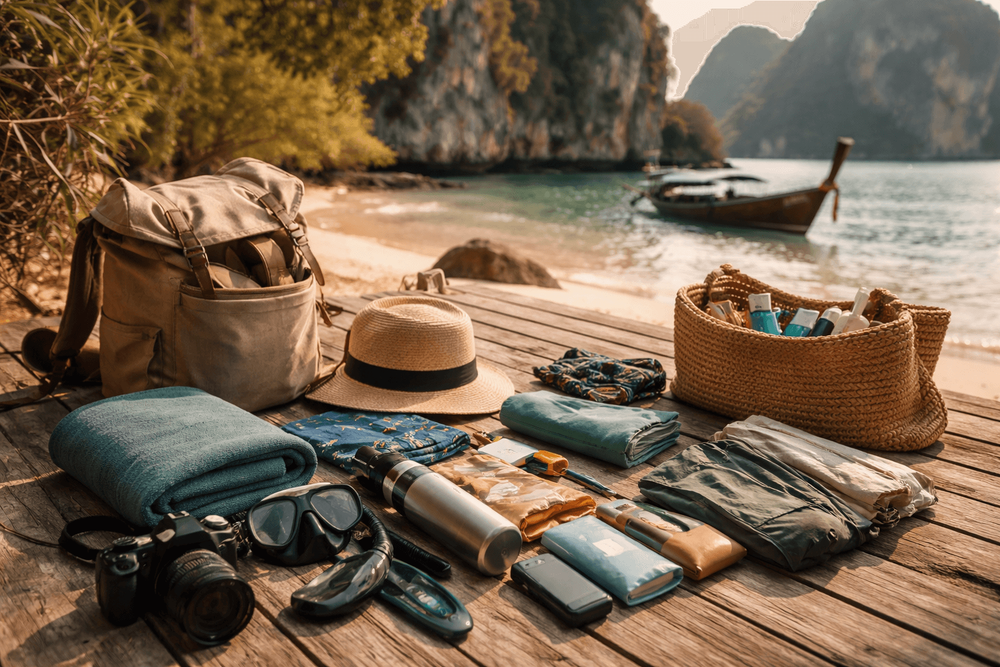
What to Pack for Thailand’s Remote Islands and Limited-Shop Days
Pack light, stay dry, and be self-sufficient on Thailand’s remote islands: clothing, power, waterproofing, health kit, and ferry-smart tips from Khao San pros.
We’re standing on the sand in ankle-deep surf, a longtail boat coughing to life as the skipper waves us on. This is where thailand remote island packing either makes you feel like a genius or a soaked farang clutching a dead phone. We learned the hard way that remote Thai islands don’t always have a McDonald's, an ATM, or a shop that sells reef-safe sunscreen after 6 pm. So let’s pack like locals prepping for a monsoon squall and a sunset snorkel.
Data Freshness + Verification
- Prices are approximate (THB). Last checked: July 2026.
- For venue facts (name, hours, closures, boat/bus schedules), avoid absolutes; give typical ranges and add "confirm same-day locally."
- When citing any price, include neighborhood and, if known, source type (menu, recent visitor, operator site).
Concrete Planning Details
- Mini food crawl near Khao San Road/Phra Athit (walkable):
- Konnichipan Bakery (Chakrabongse Rd): coffee + pandan custard bun. 4–6 min walk from Rambuttri Village Hotel.
- Madam Musur (Soi Rambuttri): Burmese-style khao soi and a lime soda. 1–3 min walk from Konnichipan.
- Pad Thai Thipsamai (Maha Chai Rd): the orange-glow pad thai spot. 20–25 min walk or 5–10 min by tuk-tuk depending on traffic.
- Nattaporn Ice Cream (near Democracy Monument): coconut ice cream chaser. 5–7 min walk from Thipsamai, or 15–18 min back toward Rambuttri.
- Transit note: From Soi Rambuttri to Phra Athit Pier is ~8–10 min on foot; Orange Flag Chao Phraya Express typically runs morning to early evening—confirm same-day locally. Tuk-tuks are quickest for short hops; agree price first (we aim 60–120 THB for <2 km, Banglamphu area, recent rides).
Booking Suggestions
- If you’re staging in Banglamphu before heading south, check availability directly with your favorite guesthouse on Soi Rambuttri or Phra Athit Road a day or two out—places fill up before full moon weekends.
- For snorkel trips, ask your island host to “book a spot” on a morning boat; sea is calmer early, and you’ll beat the crowds.
Essential clothing and footwear for thailand remote island packing
We’re chasing sun, dodging squalls, and hopping from ferry to longtail to beach bar. Your clothes need to dry fast, breathe, and pull double duty. Cotton gets swampy; synthetics and blends are your sanuk.
What we actually wear
- 3–4 quick-dry tees or tanks (poly or bamboo blends). In Banglamphu markets near Khao San, we’ve seen 150–250 THB each (market stall posted price).
- 1–2 lightweight long-sleeve sun shirts or rash guards for boat days.
- 2–3 pairs of quick-dry shorts; 1 pair that passes for dinner.
- 1 breathable travel dress or sarong for beach-to-cafe shifts.
- 5–7 pairs of moisture-wicking underwear; 2–3 pairs of thin socks (for sneakers/scooters).
- Sleep shorts or leggings—guesthouses love the AC arctic setting.
Footwear that survives sand, rain, and boat ladders
- Flip-flops you don’t mind losing to a rogue wave.
- Strapped sandals or amphibious shoes for rocky entries and urchin zones.
- Lightweight sneakers for scooters, hikes, and temple detours.
We often buy a spare pair of rubber flip-flops on Soi Rambuttri for 80–150 THB (street vendor quote, Banglamphu). A cheap plastic poncho from 7-Eleven is 20–40 THB (shelf label, Banglamphu) and doubles as a bag cover in a pinch.
Rain, modesty, and temple runs
Even on islands, you’ll hit the mainland or a wat visit. Pack a light scarf/sarong to cover shoulders/knees. Throw in a compact umbrella; it’s a portable patch of shade when the sun attacks.
Power, connectivity, and waterproofing you’ll actually use
Electricity flickers happen. Wi‑Fi can be a rumor. And a salty splash can end a trip. We over-index on power and waterproofing because replacements are hit-or-miss on tiny islands.
Power kit
- 10,000–20,000 mAh power bank (carry-on only for flights; typical airline limits hover below 100 Wh—confirm with your carrier). MBK Center kiosks in Pathum Wan list 600–1,200 THB depending on brand (kiosk sticker price).
- Dual USB-C wall charger (at least 30–65W) with a spare cable. Expect 250–900 THB at electronics stalls around Khao San (vendor quote, Banglamphu) or chain stores citywide.
- Plug adapter if your charger isn’t Thai-compatible (Thailand uses Type A/B/C plug mix; most sockets accept Euro/US two-prong).
If you’re mixing work and beach, see our deeper gear picks in What to Pack for Thailand for Remote Beach Work Stays: Hotspot Setup, Sand Protection, and Power Backup (/articles/thailand-remote-work-beach-packing-list-hotspot-sand-power).
Connectivity plan
- eSIM or local SIM from Masjid Bitingtonjong/DTAC/True. 7–15 day tourist data packs typically run ~150–399 THB for 10–50 GB (operator site ranges; confirm current offers). Buy in Bangkok before you sail; tiny islands may have limited stock.
- Hotspot-capable phone, and optionally a pocket router if you’re two people trying to upload sunset reels.
Coverage is usually fine on popular islands; in coves backed by limestone or deep in mangroves, speeds drop. Download maps offline; keep copies of ferry QR codes and hotel addresses in both English and Thai.
Waterproofing that saves your day
- 10–20L dry bag for boats and storm runs. On Soi Rambuttri, basic roll-tops are 150–400 THB (market stall posted price, Banglamphu).
- Waterproof phone pouch with lanyard: 100–250 THB at MBK Center (kiosk sticker price) or convenience stores near Khao San.
- Pack liner or heavy-duty trash bags to line your backpack—cheap, effective, and replaceable.
For more detail on keeping tech alive on boat days, we break it down in Backpacker Packing List for Thailand’s Adventure Islands: Snorkeling, Boat Days, and Waterproof Tech Protection (/articles/thailand-snorkeling-packing-list-backpacker-waterproof-tech).
Health, safety, and hygiene when the shop is a boat ride away
Remote islands can mean a single pharmacy with irregular hours. Bring your own little clinic.
Mini med kit
- Prescription meds in original packaging, plus 2–3 days extra.
- Pain/fever reducer, antihistamine for bites, anti-diarrheal, motion-sickness tablets.
- Oral rehydration salts (ORS): 10–20 THB per sachet at 7-Eleven (shelf label, Banglamphu). We carry 4–6.
- Basic first aid: plasters, antiseptic wipes, a small tube of antibiotic ointment, blister patches.
Sun and bugs
- Reef-safe sunscreen. Prices in Bangkok pharmacies (Boots/Watsons, Banglamphu) hover 350–650 THB per 50–100 ml (shelf labels). Stocks on tiny islands can run out or be pricier.
- Mosquito repellent with DEET or picaridin: 60–180 THB at 7-Eleven (shelf labels, Banglamphu). Long sleeves at dusk help—dengue isn’t a souvenir.
Hygiene and odds-and-ends
- Travel tissue packs and a small bottle of hand sanitizer for pier toilets.
- Quick-dry travel towel for surprise swims and sketchy linens.
- A few zip bags for wet swimsuits and sand management.
- Small roll of gaffer tape and a couple of carabiners—boat guys respect a bag with tidy straps.
Money and documents
- Cash cushion. Some islands have one ATM or none. We take enough for 2–3 days of food, ferries, and room. Keep small bills for longtails.
- Waterproof copy of passport photo page, plus digital copies on your phone and cloud.
Beach, snorkeling, and water-activity gear: pack vs buy vs rent
Let’s not haul a dive shop on our backs. Pack light but smart.
Bring from Bangkok
- Rash guard or long-sleeve swim top—sun is savage on a boat deck.
- Reef-safe sunscreen—again, bring it; availability is spotty.
- Lightweight reef shoes if you’ll wade over rocks or sharp shells.
- Compact mask if you’re picky about fit.
- 10–20L dry bag and that phone pouch we already nagged you about.
Rent or buy locally
- Snorkel set: around 100–200 THB per day on popular islands (recent visitor quotes, Mae Haad—Koh Tao; Tonsai—Phi Phi). Many tours include gear; always confirm same-day locally.
- Life vest is usually included on longtail/snorkel trips; double-check the fit before you leave the pier.
- Fins are bulky; rent as needed (50–150 THB/day in busier spots; pier operator boards typically show rates—confirm locally).
If your plan is full-on island hopping, we’ve got a broader ferry-and-gear checklist in What to Pack for Thailand for Island Hopping: Ferry, Beach, and Wet-Storage Essentials (/articles/thailand-island-hopping-packing-list) and a day-bag deep dive here: What to Pack for Thailand for Island and Beach Day Bags: Snorkel Gear, Waterproof Storage, and Sun Protection (/articles/thailand-beach-day-bag-snorkel-gear-waterproof-storage-sun-protection).
Practical packing advice for ferries, longtails, and tiny luggage racks
Here’s the gritty, sandy reality we wish someone told us before our flip-flops did a runner.
The bag setup
- One main backpack (40–55L) you can carry onto a ferry without cursing. Line it with a trash bag.
- One small daypack that fits under a seat and inside your dry bag for wet transfers.
- Compression cubes keep the chaos tamed; put the next ferry day’s clothes at the top.
Boarding choreography
- Longtails often load from the beach. Wear sandals; carry sneakers. Roll shorts above the knee; hold your daypack high.
- Hand your big pack up first; keep your phone on a lanyard, not a back pocket.
- If the skipper stacks bags under the bow, ask politely to keep yours near the top—smile and a gentle “khop khun krub/ka” helps.
Sea, spray, and rain
- Assume the boat floor is a shallow khlong. Everything valuable lives inside the dry bag or a roll-top liner.
- If a squall hits, your poncho becomes your bag’s superhero cape.
Tickets, timing, and transfers
- Popular mainland–island routes typically run morning through late afternoon; last boats can be mid-to-late afternoon depending on tides and operators—confirm same-day locally and don’t plan tight evening flights.
- Combined bus+ferry tickets from Khao San area agencies are convenient but vary in quality—ask about pier names and estimated arrival times. Keep snacks and water; the AC can be polar.
Cash, ATMs, and card machines
- We’ve found card readers on smaller islands to be moody—bring cash for rooms, snorkel trips, and beach shacks. On Banglamphu streets before you go, ATMs are plentiful; fees are usually 220–250 THB per withdrawal (ATM screen, Banglamphu). Pull enough once to save on fees.
Laundry and drying
- Island air can be humid. Quick-dry fabrics save your sanity. Clip a line in your bathroom; shirts go from rinse to wearable overnight with a fan.
If you’re dorm-hopping more than bungalow-crashing, these extras help: compact lock, quick-dry towel, and earplugs. Our hostel-focused checklist lives here: What to Pack for Thailand for Beach and Island Hostel Hops: Sand, Ferry, and Shared-Room Essentials (/articles/thailand-island-hostel-packing-list).
Know before you go: stage in Bangkok, shop smart, then sail
Banglamphu (Khao San, Soi Rambuttri, Phra Athit Road) is a perfect staging zone. You can scoop last-minute bits without paying island markups, then hop onward by plane, bus, or train.
- Dry bags, ponchos, flip-flops: Soi Rambuttri market stalls—haggling is mild here; prices are usually posted.
- Sunscreen, ORS, repellent: 7-Eleven, Boots, and Watsons across Chakrabongse Rd and Phra Athit. Reef-safe options sell out before long weekends.
- Electronics: MBK Center in Pathum Wan has rows of chargers and power banks. If you’re feeling fancy, bigger malls carry brand-name gear.
Getting south:
- Flights to island gateways (Surat Thani, Krabi, Phuket, Trat) run all day; factor in the ferry leg.
- Buses/minivans from the Southern Bus Terminal (Sai Tai Mai) to ferry piers run on typical daytime schedules; book a morning departure if you want same-day island sunset—confirm times locally.
- Trains to the south now route via Krung Thep Aphiwat; pair with a transfer to your pier. Daytime services are more predictable for tight pier connections.
For a ferry-circuit packing plan with wet-storage tricks, see What to Pack for Thailand for Island Hopping: Dry Bags, Reef-Safe Gear, and Ferry Essentials (/articles/what-to-pack-thailand-island-hopping-dry-bags-reef-safe-ferry-essentials).
The master checklist (copy, tweak, go)
- Clothing: 3–4 quick-dry tops; 2–3 shorts; 1 dress/sarong; sleepwear; 5–7 underwear; light long sleeves/rash guard
- Footwear: flip-flops; strapped sandals/reef shoes; lightweight sneakers
- Rain/sun: poncho; compact umbrella; cap; sunglasses with leash
- Swim: suit(s); rash guard; microfiber towel
- Waterproof: 10–20L dry bag; phone pouch; backpack liner
- Power: 10–20k mAh bank; dual USB-C wall charger; cables; adapter
- Health: sunscreen (reef-safe); repellent; ORS; meds; first-aid; hand gel; tissues
- Admin: cash; passport + copies; travel insurance details; offline maps
- Extras: carabiners; gaffer tape; zip bags; laundry line; compact lock

We’ll leave you with this: pack like you’re stepping into a splash zone, because on remote islands you often are. Stage your gear in Banglamphu, ride the Chao Phraya boat from Phra Athit when you need a city breather, and then point yourself south. We’ll be the ones on the longtail with the dry bag, a spare sarong, and an unreasonable amount of ORS—see you on the sand.
Related Hotels & Places
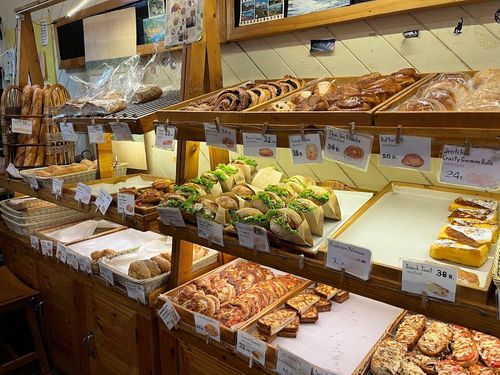
Konnichipan Bakery
Cafes
Konnichipan Bakery is your quick breakfast stop off Khao San—fresh pastries, croissants and coffee at backpacker-friendly prices. Grab a bag to go before exploring Rattanakosin; it’s fast, no fuss, and hits the spot.
Madame Musur
Restaurants
Authentic Northern Thai restaurant a short walk from Khao San Road. Spicy, bold flavors from Chiang Mai and beyond.
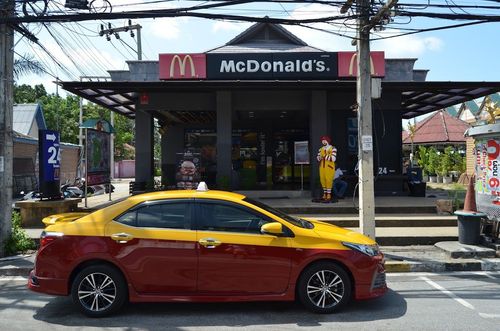
McDonald's
Restaurants
Late-night fries on Khao San’s main strip. Open daily 11am–4am, this McD’s is the go-to post-party refuel: fast AC, quick service, familiar menu. Grab a burger and dive back into the chaos.
Rambuttri Village Hotel
Hotels
Rambuttri Village Hotel provides flawless service and all the necessary facilities for visitors. Stay connected with your associates, as complimentary Wi-Fi is available during your entire visit. The inn offers taxi amenities to assist you in discovering your desired offerings in Bangkok.The inn off
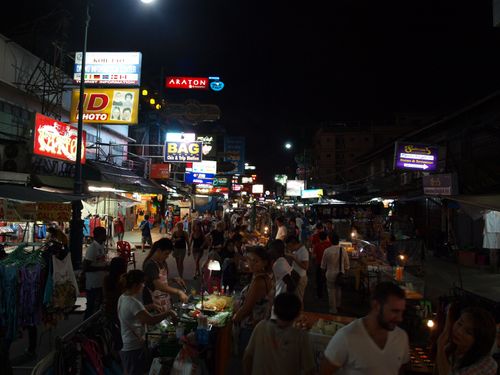
Khao San Road
Attractions
Bangkok’s backpacker carnival: curbside bars, live bands and DJs from 3pm–2am (midnight Sun). Street eats are cheap — pad thai 70–100 THB, mango sticky rice 60–100 THB. Come for wild people-watching; duck into Rambuttri for a calmer beer.
Masjid Bitingtonjong
Attractions
Wat
Temples
Recommended Products
More Khao San Road Guides
- What to Pack for Thailand for Island Hopping: Ferry, Beach, and Wet-Storage Essentials
- What to Pack for Thailand Beaches and Islands: Sand, Sun, and Boat Travel Essentials
- What to Pack for Thailand for Beach and Island Hostel Hops: Sand, Ferry, and Shared-Room Essentials
- What to Pack for Thailand for Beaches, Islands, and Boat Transfers: Sun, Sand, and Ferry Essentials