
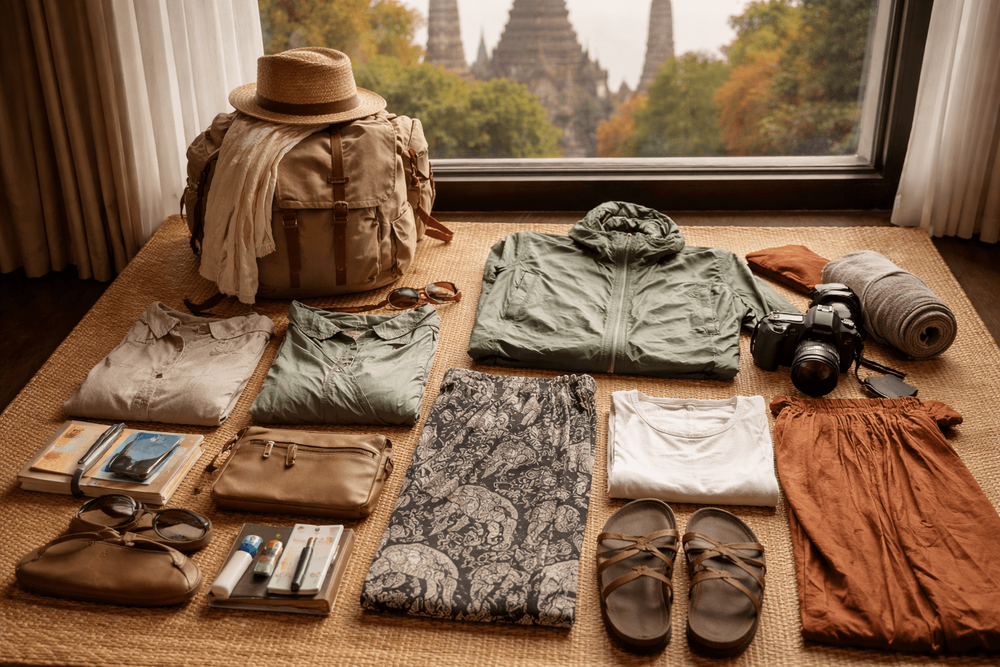
What to Pack for Thailand for Temples and Mixed-Climate Trips: Respectful Layers, Rain Cover, and Day-to-Night Comfort
Smart Thailand mixed climate packing for temples, rain, and cool northern nights: breathable layers, respectful outfits, sun/bug defense, and real-world luggage tips.
We step off the Chao Phraya Express boat at Chao Phraya Tourist Boat N13 Phra Arthit Pier and the air hits like a hot, damp towel. A tuk-tuk rattles past, the driver yelling “sawadee!” over the thrum, and somewhere down Soi Rambuttri a wok hisses, garlic meeting oil in a puff of steam. Five minutes later, we duck into 7-Eleven and that blast of AC feels like a temple blessing. This is exactly why thailand mixed climate packing matters: Bangkok bakes, islands soak you, the north can nip after sunset, and temples demand a little modesty no matter how sweaty we are.
Thailand’s Mixed Climate: What Weather We’re Really Packing For
Thailand is all tropical sunshine until it isn’t. The trick is knowing which flavor of heat, rain, or cool you’re chasing.
- Central Thailand (Bangkok, Ayutthaya, Kanchanaburi): Hot most of the year, with short, dramatic downpours May–Oct. Expect 30–35°C by day, cooler at night if you catch a storm. Humidity will make your cotton tee feel like a wet napkin.
- Northern Thailand (Chiang Mai, Pai, Chiang Rai): Nov–Feb mornings can be crisp (10–18°C), with warm, dry afternoons. March–April is hot and can be smoky from agricultural burning. You’ll want a light layer at night, especially up at Doi Suthep or in Pai’s hills.
- Southern Islands, Andaman side (Phuket, Krabi, Koh Lanta): Drier Nov–Apr, wetter May–Oct. Rain can mean quick squalls or day-long sulks; seas can be choppy in monsoon months.
- Southern Islands, Gulf side (Koh Samui, Koh Phangan, Koh Tao): Opposite-ish pattern—drier Jan–Aug, wetter Oct–Dec. You might hop coasts to dodge monsoon if you’re chasing blue water.
- Northeast (Isan): Hot and dry much of the year; cooler nights Nov–Feb. Fewer farang out here, bigger day-night swings.
Short version: you’ll likely meet three climates in one trip—humid city heat, sudden rain, and cooler evenings up north. thailand mixed climate packing means treating your bag like a transformer: layers, quick-dry fabrics, and a rain plan that doesn’t add bulk.
Thailand Mixed Climate Packing: The Short Version
Here’s the sanity check we use before we zip the bag:
- Hot/humid uniform: 3–4 quick-dry tops, 2 breathable bottoms, 1–2 airy dresses or light shirts.
- Temple kit: lightweight long pants or midi/maxi skirt, shoulders covered (scarf or light shirt), closed or secure sandals for lots of walking.
- Rain plan: packable poncho (30–50 baht at 7-Eleven), compact umbrella, and a small dry bag for phone/passport.
- Sun and bugs: UPF long-sleeve, hat, sunglasses, reef-safe sunscreen (300–500 baht locally), DEET or picaridin spray.
- Cool-evening layer: thin fleece or merino, light windbreaker; socks for chilly buses and mountain nights.
- Footwear: walkable sandals with heel strap, breathable sneakers, flip-flops for showers/beach.
If you want deeper seasonal nuance, we’ve got a breakdown by weather windows here: Thailand Packing List by Season: Dry, Hot, and Rainy Weather Essentials and a month-by-month angle if your dates are set: Thailand Packing List by Month: What to Bring for Hot, Cool, and Rainy Season.
Clothing That Works From Temples to Night Markets
Beating Bangkok Heat (and Its AC Traps)
We pack for sweat first, then for AC ambushes. Quick-dry tees or airy button-ups, loose shorts or technical trousers, and anything that doesn’t hold damp. Linen is lovely but creases like a map; performance fabrics that look like linen are the move. Throw in a super-light long sleeve for sun or when the BTS or a minivan decides to mimic a meat locker.
Pro tip: darker colors hide street splashes; mid-tones are kinder under the sun than black. Bangkok is forgiving of style, but breathable is king.
Respectful Temple Wear (That Won’t Cook You)
At Wat Pho, Wat Arun Ratchawararam Ratchawaramahawihan, or up the Golden Mount, dress codes are real. Shoulders and knees covered, nothing sheer. We carry one dedicated “temple set”: light trousers or a midi/maxi skirt and a breezy shirt that hits the shoulders. A thin scarf works for cover but some temples won’t accept a see-through fix—better to have a true lightweight layer. If you forget, street vendors usually sell sarongs around major wats for 120–200 baht; they double as beach blankets and bus shawls.
Shoes off at temple doors, so slip-on sneakers or sandals with secure straps make life easier. Socks are optional; tile can be hot at midday.
Rain-Ready Without the Bulk
Bangkok downpours arrive like someone upended a khlong. A packable poncho is gold—buy one on arrival if you like (30–50 baht, 7-Eleven, open 24/7), or bring a sturdier reusable. A compact umbrella gives shade and showers coverage. We also carry a small 5–10L dry bag to keep phone, passport, and camera safe during longtail boat rides—200–400 baht in island shops.
Beach Days and Island Hopping
Swimwear, rash guard if you burn easy, and a loose shirt that can go from boat to beach café. Island laundries are everywhere, so two swim sets are plenty. Reef-safe sunscreen is not only good karma, it’s pricier here (usually 300–500 baht for decent brands), so pack a travel tube if you’re picky. Flip-flops are fine on sand but bring real sandals for jungle paths and slippery pier steps.
Cooler Evenings Up North (and Highland Mornings)
Chiang Mai’s Nimman evenings in December can ask for a light sweater. Toss in a thin fleece or merino long sleeve, and a windbreaker for scooter rides to Doi Suthep or Mae Hong Son loops. If you’re trekking around Chiang Dao or Pai, add leggings or light hiking pants and one warm layer for campfire nights. Gloves and heavy coats? Overkill unless you’re doing a dawn summit in peak cool season.
The Essentials: Footwear, Rain, Sun, Bugs, and Layers
Footwear You’ll Actually Walk In
- Walking sandals with toe protection or grippy soles: perfect for wet markets, ferry decks, and Khaosan Bar Ayutthaya’s slick beer puddles after midnight.
- Lightweight sneakers/trainers: breathable mesh dries fast if you get caught in a squall.
- Flip-flops: hostel showers and beach runs only.
Say no to brand-new shoes; Bangkok will blister any rookie. If it’s rainy season, tread matters more than fashion—slippery tiles are everywhere.
Rain Protection That Doesn’t Own Your Bag
- Packable poncho: minimum viable rain armor; good for scooter passengers, too.
- Compact umbrella: doubles as portable shade.
- Dry bag or zip pouches: a phone in a sandwich bag is better than nothing; a small roll-top bag is better than that.
- Quick-dry towel: tiny microfiber to mop off post-downpour.
Umbrellas cost about 100–150 baht at markets; the cheap ones will flip inside out in a Soi Nana gust. We stash elastic bands to cinch poncho hems on windy boat rides.
Sun Doesn’t Play Nice Here
- UPF long-sleeve or ultralight shirt: the difference between rosy cheeks and grilled-farang.
- Wide-brim hat or cap: clip it to your daypack; river breezes love to steal.
- Sunglasses with real UV: worth packing from home.
- Sunscreen: decant into 100 ml bottles; reapply more than you think. Local prices are fine but higher than back home for some brands.
Insect Protection: Dusk Is Mosquito O’Clock
- DEET or picaridin spray: local brands run 120–180 baht at 7-Eleven or pharmacies.
- Light long sleeves and pants for evenings by the river or in Chiang Mai’s night markets.
- After-bite pen if you’re sweet-blooded.
If you’re heading into the jungle, consider permethrin-treated clothing or a head net for sanity; otherwise, regular spray is enough for cities and beaches.
Lightweight Layers for AC and Altitude
- Thin fleece/merino: the bus from Mo Chit to Chiang Mai can feel like a meat locker at 2 AM.
- Compressible windbreaker: breaks rain mist and temple-top breezes.
- Scarf/sarong: modesty, shade, picnic mat, pillow, all in one.
We also keep a pair of cozy socks for overnight trains; nothing like warm toes when the cabin AC decides it’s Siberia.
Luggage Strategy for Real Thailand Travel
Backpack vs. Roller
Bangkok’s sidewalks are a contact sport—broken slabs, surprise potholes, and motorbikes cutting the curb. Rollers work around Asok or Siam where pavements are smoother, but a soft-frame backpack is easier for ferries, BTS stairs, and longtail transfers. On islands, you’ll sometimes wade from boat to shore; a backpack wins that splash.
Weight and Domestic Flights
Most domestic airlines are strict about 7 kg carry-on. If you’re mixing climates, pack denser layers you can wear on boarding. Compression cubes are your friend, but don’t exceed the limit—Thai check-in agents have scales and they’re not shy.
Laundry Reality (Good News)
You don’t need 12 outfits. Self-service or shop laundry is everywhere—40–60 baht per kilo, 24-hour turnaround, often same-day in tourist zones. Around Khao San and Soi Rambuttri, guesthouses can set it up while we chase noodles on Phra Athit. Pack for 3–4 days and wash as you go.
Daypack and Security
A 15–20L daypack is perfect: water, umbrella, temple scarf, and camera. Zipped pockets help on crowded boats and markets; Thailand is generally safe, but a little zip beats a lot of worry. We skip heavy anti-theft bags in favor of common sense and a tiny cable lock for hostel lockers.
Toiletries and Small Stuff
- Decant shampoo and body wash; you can restock at 7-Eleven anywhere.
- Reef-safe sunscreen for islands; lip balm with SPF for river breezes.
- Reusable water bottle; many cafés will refill. Bring electrolytes for post-temple sweats.
- Meds: your prescriptions plus a tiny first-aid kit. Pharmacies are excellent, but don’t rely on matching brands.
- Period supplies if you’re picky; selection varies outside big cities.
- Plug adapter: Thailand runs 220V; sockets often accept flat (Type A) and round (Type C) pins. Most chargers are dual-voltage—check yours.
If you’re doing back-to-back climates—Bangkok heat to Chiang Mai cool to Krabi rain—see our deeper dive: What to Pack for Thailand for Multi-Climate Trips: Gear for Bangkok, Islands, and Northern Highlands. Backpackers trimming ounces can cross-check with our lean list: Backpacker Packing List for Thailand.
Common Packing Mistakes (and How We Fix Them)
- Over-packing denim: heavy, slow-drying, miserable when soaked. Swap for quick-dry travel pants or breathable cotton blends.
- All shorts, no temple pants: you’ll end up buying emergency trousers at Wat Pho. Pack one lightweight long option you actually like.
- Brand-new shoes: the soi will break them in—and your feet. Test-walk before you fly.
- Skipping rain gear in “dry season”: Bangkok shrugs at calendars. A 100-gram poncho saves the day.
- Too much black: looks chic, feels like a portable oven in the sun.
- Forgetting N95/FFP2 if visiting the north Feb–Apr: smoke season can be real; a couple of masks weigh nothing.
- Giant towel: swap for a small microfiber. Hostels and many hotels provide towels anyway.
- Full-size toiletries: everything is available locally, but favorite brands can be pricier—especially sunscreen and specialty skincare.
A Sample Mixed-Climate Packing Checklist
Clothing
- 3 quick-dry tees or airy shirts
- 1 long-sleeve UPF shirt
- 1–2 breathable bottoms (shorts or light pants)
- 1 temple-appropriate bottom (light trousers or midi/maxi skirt)
- 1 breezy top that covers shoulders
- 1 light dress or extra shirt for evenings
- 1 thin fleece/merino + 1 ultralight windbreaker
- 4–5 pairs underwear, 2–3 pairs socks
Footwear
- Walkable sandals with grip
- Lightweight sneakers/trainers
- Flip-flops
Rain + Sun
- Packable poncho
- Compact umbrella
- Dry bag or waterproof pouch (5–10L)
- Sunglasses, hat
- Sunscreen (reef-safe if island-bound), lip balm with SPF
Insect + Health
- DEET/picaridin spray
- After-bite
- Tiny first-aid kit + meds
- Electrolyte packets
- N95 mask if heading north in late dry season
Gear + Admin
- 15–20L daypack
- Reusable water bottle
- Power bank + cables
- Universal adapter (220V compatible)
- Passport copies, travel insurance info
- Packing cubes/compression bags
- Microfiber towel
- Sarong/scarf
Optional Nice-to-Haves
- Travel clothesline (hotel balconies are sarong heaven)
- Tiny laundry soap sheets
- Earplugs (Khao San bass thumps don’t sleep)
- Kindle/book for slow ferries
Know Before You Go: Temple Etiquette and Transport Quirks
- Temples: cover shoulders and knees, remove hats and shoes, keep voices low. A light scarf helps, but a proper shirt is better. Avoid sleeveless/see-through inside sanctuaries.
- Boats and rain: weather can turn the river choppy without notice. Keep that dry bag handy on longtails and ferries.
- Minivans and night buses: AC can be polar. Dress in layers you can pull on without a full unpack at 2 AM.
- Markets and modesty: swap skintight gym gear for looser pieces away from the beach; you’ll blend easier and feel cooler.
- Scooters: if you ride, pack your own lightweight rain layer. Helmets are mandatory—sanuk isn’t worth a hospital bill.
Where We Stash Our Bags Between Climate Zones
In Bangkok, we like to base ourselves near Soi Rambuttri or Phra Athit for easy Chao Phraya boat runs and endless laundry options, or along the BTS around Asok/Siam if we’re zipping across town. In Chiang Mai, Old City spots keep temples walkable, while Nimman gives you cafés and cooler night breezes. On the islands, we pick bungalows a short stroll from the pier so we’re not schlepping a roller down a sandy track in full sun.
When we plan it this way, the bag stays lean, laundry stays cheap, and we can pivot with the forecast—one day ducking monsoon sheets beside Wat Arun, the next tucking into boat noodles on Dinso Road before catching a cool night up in Pai. Pack light, pack smart, and we’ll meet you under the awning on Soi Rambuttri when the first big drops start to fall.
Related Hotels & Places
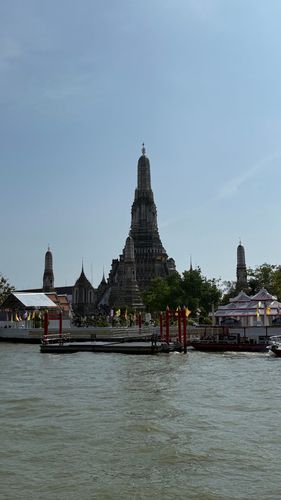
Chao Phraya Tourist Boat N13 Phra Arthit Pier
Services
Khao San's river gateway. N13 Phra Arthit is the Chao Phraya Tourist Boat stop: grab a day pass and hop to Wat Arun, the Grand Palace and Sathorn. Boats every ~30 mins; last around 7:15pm. The scenic, no-traffic way to get around.
Khaosan Bar Ayutthaya
Bars
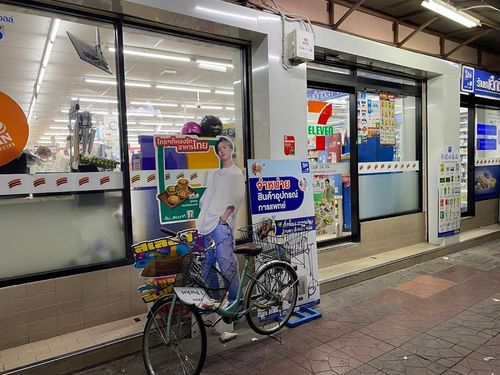
7-Eleven
Shops
Khao San’s 24/7 reset button: ice‑cold A/C, ham‑cheese toasties, All Café iced lattes, water for 7–14 THB, and late‑night supplies from snacks to sunscreen—right by Rikka Inn.
Wat Arun Ratchawararam Ratchawaramahawihan
Temples
More Khao San Road Guides
- What to Pack for Thailand for Temple and City Day Trips: Modest Clothes, Easy Carry, and Entry-Ready Essentials
- What to Pack for Thailand Backpacking on Temple-and-Town Routes: Respectful Clothes, Easy Shoes, and Daypack Basics
- What to Pack for Thailand for Temple-Rich Backpacking Routes: Lightweight Clothes, Spare Socks, and Respectful Layers
- Backpacker Packing List for Thailand: What to Pack for Temples, Markets, and Everyday Respectful Dress