Songkran: Inside the World's Biggest Waterfight — Bangkok Festival Guide
Dive into Songkran — the world’s biggest waterfight. Dates, hotspots, packing tips, and Bangkok know-how from Khao San to Silom.
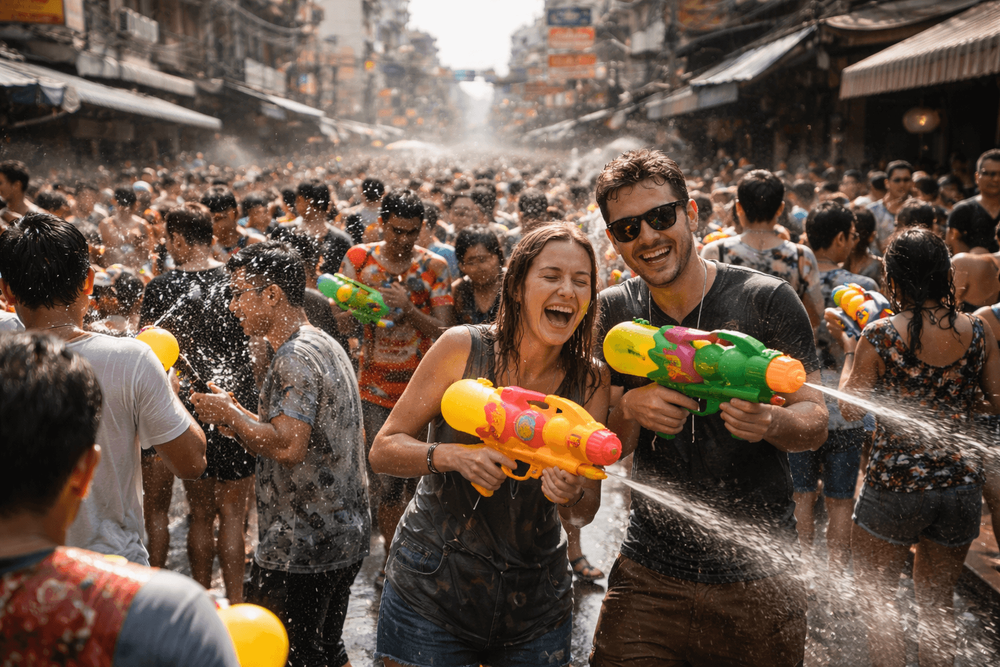
We’re shoulder-to-shoulder on Silom Road, the sun is a white-hot coin, and a kid with a neon Super Soaker just smiled the sweetest sawadee before unloading an arctic blast down our spine. Drums from a pop-up stage thump through our flip-flops, talc paste stitches white streaks across grinning cheeks, and every few steps someone refills our bucket with ice water from a blue barrel. Welcome to Songkran, the biggest waterfight in the world — a national splash-fest that’s equal parts sacred cleansing and pure street sanuk.
What is Songkran — the biggest waterfight in the world?
Songkran started long before the tactical water guns and waterproof iPhones. It’s Thailand’s traditional New Year, centered on water as a symbol of washing away misfortune and starting fresh. Across the country, families begin with temple visits and quiet rituals: gently pouring scented water (nam ob) over Buddha images, and the Rod Nam Dam Hua ceremony where younger folks pour water over elders’ hands to ask for blessings. You’ll see sand pagodas (chedi sai) taking shape on temple grounds and tables stacked with jasmine garlands.
So how did it earn the title of the biggest waterfight in the world? Because those gentle beginnings overflow into the streets. Whole avenues in Bangkok, Chiang Mai, and beyond become vehicle-free splash zones. Buckets fly from pickup beds, shopfronts turn into refill stations, and millions of people — locals, farang, everyone — make the entire country one giant, good-natured soak. We’re not exaggerating when we say you cannot stay dry if you leave your soi.
A few quick truths to frame the fun:
- It’s hot season. April in Bangkok is a sauna. The water isn’t a gimmick — it’s relief.
- It’s joyful and communal. A smile, a wai, and a splash go a long way.
- It’s still a holiday first. Respect temples and elders; save the rowdy stuff for designated zones.
Where to join the biggest waterfights: Khao San, Silom, Chiang Mai and more
You can get splashed anywhere in Thailand during Songkran, but some hotspots turn it into a proper battlefield (the nice kind). Here’s where we suit up.
Khao San Road and Banglamphu (Soi Rambuttri, Phra Athit Road)
If you want classic chaos, Khao San Road is ground zero. The thump of bass from bars, neon buckets lined like ammunition, and water guns sold at every stall — it’s an all-day, all-out soak. The neighboring Soi Rambuttri offers a slightly more relaxed loop under the trees, and Phra Athit Road along the river is where locals take breathers with cold Leo and grilled squid.
- Vibe: Wild, international, talc-paste mayhem. Expect foam cannons some years and friendly ambushes from restaurant fronts.
- Practicalities: The Khao San zone is typically pedestrian-only during peak hours. Entry points have security; powder (din sor pong) and glass are often banned. Bring small bills — snacks from 20–50 baht, water refills 10–20 baht, water guns 100–500 baht depending on your bargaining game.
- Getting there: Skip taxis into road closures. Take the Chao Phraya Express Boat to Phra Arthit Pier (N13) and walk five minutes, or hop a bus to Ratchadamnoen Avenue and follow the squeals.
Silom Road (Sala Daeng to Narathiwat Ratchanakarin)
Silom is Bangkok’s biggest official splash corridor — a literal river of people under the BTS Skywalk. Picture streams cascading from above, families lined up behind blue drums, and office workers swapping loafers for sandals. It’s less backpacker, more citywide carnival.
- Vibe: Massive, organized, and photogenic. Great for groups and first-timers who want a big crowd with clear security and rules.
- Practicalities: The stretch is usually pedestrian-only midday to early evening. High-pressure cannons are often discouraged, and there may be alcohol-free rules inside the zone. Eat on Soi Convent or Soi Sala Daeng before diving back in.
- Getting there: BTS Sala Daeng or MRT Silom/Si Lom — the Skytrain dumps you right into the heart of it.
Chiang Mai Old City Moat
Up north, Chiang Mai turns its moat (khlong) into a ring of joy. Pickup trucks circle the square throwing water, kids dunk buckets at the ramparts, and stages pop up around Tha Phae Gate.
- Vibe: Multi-day, anything-goes energy with a strong local turnout. Water sources everywhere, shade from old trees, and the city’s easy smile.
- Practicalities: It often runs longer than Bangkok. Expect nonstop days; pace yourself and hydrate like it’s a sport.
- Getting there: Fly or take the overnight train from Bangkok in advance — Songkran seats sell out. In town, grab a red songthaew to Tha Phae Gate.
Other splashy spots
- CentralWorld/Asiatique (Bangkok): Some years have official stages, DJs, or family-friendly zones. These are on-and-off; check the current year’s announcements.
- Pattaya (Wan Lai): The party famously runs later, often peaking around April 18–19 with beachfront soaks.
- Phuket (Patong): Bangla Road goes full soak by afternoon with seaside breezes to keep things tolerable.
- Khon Kaen (Khao Niew Road): A northeastern gem with Isan music and spirited street scenes.
Mid-trip planning nudge: If you’re choosing between Khao San and Silom for a base, it’s worth comparing a few quotes before you commit — guesthouses, mid-range hotels, and even riverside stays price differently for Songkran, and flexible cancellation can save your baht.
When it happens: dates, schedules, and regional variations
Nationally, Songkran is a public holiday from April 13–15. That’s when offices shut, banks close, and bus stations fill with families heading upcountry. Street water play in Bangkok traditionally spikes on the 13th and 14th, with the 15th sometimes mellowing for temple visits — though Khao San and Silom can stay rowdy throughout the three days.
Typical rhythms (subject to annual tweaks):
- Bangkok official zones: Midday to early evening (often around 12:00–20:00) to keep nights calmer. Expect bag checks and rules posted at entrances.
- Chiang Mai: Commonly runs longer, roughly April 12–16, with peak water wars around Tha Phae Gate and the moat during daylight.
- Pattaya (Wan Lai): Celebrations often extend past the 15th, peaking later than Bangkok.
What’s open? Most malls, BTS/MRT, and 7-Eleven stay open. Government offices, many banks, and smaller shops may close for part or all of the holiday. Intercity trains and buses sell out early; get those seats weeks ahead.
Pro tip: Official event pages shift every year. A quick check closer to April will confirm exact hours, entry rules (powder, alcohol, high-pressure guns), and any last-minute changes.
Practical planning: gear, clothes, waterproofing, and the packing list
We dress for combat, but make it tropical.
What to wear
- Quick-dry tops and shorts. Cotton turns into cling film; denim turns into ankle weights.
- Dark colors or patterns — white becomes a wet T-shirt contest you didn’t audition for.
- Grippy sandals or water shoes. Sidewalks get slick; flip-flops wander off.
- A lightweight cover-up or sarong for temple visits. Shoulders and knees covered keeps it respectful.
Waterproof your life
- Phone: A proper waterproof pouch with lanyard is a lifesaver (100–300 baht from street stalls). Double-bag with a ziplock inside if you’re nervous.
- Money/ID: Keep small bills in a separate zip pocket. Leave your passport at the hotel safe; carry a copy or a photo on your phone.
- Power: Pocket-sized power bank and a short cable inside the pouch — Songkran days eat batteries.
- Camera: Action cams with a floaty wrist strap are perfect. If you bring a DSLR, you’re basically daring fate.
What to carry (and what to leave)
Bring:
- Waterproof pouch, power bank, sunscreen SPF 50+, hat, sunglasses with a strap.
- Rehydration salts and lip balm — you’ll thank us.
- A microfiber towel or quick-dry scarf for sudden chills after a bucket ambush.
- Hand sanitizer and tissues for improvised bathroom breaks.
Leave:
- Jewelry, watches, and sentimental anything.
- Bulky wallets. Go slim: a few 20s/50s, one card.
- Big backpacks. They turn into bath sponges and bumpers in crowds.
Buying gear on arrival
You’ll find water guns on Khao San and around Silom stations for 100–500 baht. Buckets with rope handles (very effective) go for 30–60 baht. Refill stations, often just a blue barrel outside a shop, charge 10–20 baht or offer free top-ups if you smile and buy a snack. Want to go minimalist? Hands are free and buckets are devastating.
Safety, etiquette, and local customs
Songkran works because everyone mostly plays nice. We keep it fun — and keep locals smiling — by following a few ground rules.
Respect first, splash second
- Temples: No water play in temple grounds. Cover up, remove hats/sunglasses, and enjoy the calm side of Songkran — bathing Buddha images and joining merit-making.
- Elders and kids: A gentle sprinkle and a smile goes a long way. Skip the ambush.
- Monks, police, and street vendors carrying hot oil or knives of satay — obviously off-limits.
Play fair in the splash zones
- Ask before paste: Not everyone wants talc on their face or in their hair. A mime of “okay?” and a smile works in any language.
- Avoid the face and ears. Aim for torso shots and keep it friendly.
- Don’t throw from motorbikes or at moving bikes. It’s dangerous, and police frown hard.
- Sunset slowdown: Many zones ask people to wind down in the evening. Respect local posted hours.
- Powder and booze bans: Some years Khao San and Silom ban chalk powder and alcohol within the play areas. Read the signs at entry.
Crowd and personal safety
- Pickpockets do love a party. Keep valuables close, in front, and sealed.
- Slips happen. Watch curbs, metal grates, and slick BTS stairs.
- Buddy system and meeting points: Choose a landmark (BTS Sala Daeng clock, the Burger King on Khao San, Phra Sumen Fort on Phra Athit) if you get separated.
- Hydrate relentlessly. Alternate water with beer; April takes no prisoners.
- Sunscreen re-up every two hours. The only thing worse than a hangover is a shoulder burn.
Emergencies and useful numbers
- Tourist Police: 1155 (English available)
- Police: 191
- Medical emergency: 1669
- Nearby hospitals: BNH Hospital (Silom area), Siriraj Hospital (across the river from Banglamphu)
If something goes sideways — lost phone, minor injury, scammy tuk-tuk — the Tourist Police are generally helpful, especially around major zones.
Accommodation, transport, and booking tips
We’ve crashed in enough hotels to know that where you sleep can make or break your Songkran.
Where to stay
- Khao San/Banglamphu: You’re in the splash, with heaps of hostels and guesthouses. Great for bar-hopping and stumbling home in flip-flops. Ask for rooms away from the street; bass travels.
- Silom/Sathorn: Bigger hotels, easy BTS/MRT access, and quick dips into the main Silom splash zone. Soi Convent has good eats and post-soak noodles.
- Riverside (Saphan Taksin to Phra Arthit): Calm mornings, breezy evenings, and boat access to everything. Handy for temple runs when you want a dry hour.
- Siam/Chit Lom/Phloen Chit: Central, malls for AC breaks, and simple Skytrain hops to Silom.
Booking pointers:
- Prices surge 20–50% around April 13–15. Lock something in 4–8 weeks early with free cancellation.
- It’s worth comparing a few quotes before you commit — especially if you’re balancing proximity to the party with sleep quality.
- Check for: strong AC, elevators (wet stairwells are sketchy), late check-in (flights delay), and laundry service for soaked outfits.
Getting around Bangkok during Songkran
- BTS/MRT: Your best friends for Silom and beyond. Expect crowds near peak zones and watch those slippery station steps.
- Chao Phraya Express Boat: From Saphan Taksin (Sathorn Pier) to Phra Arthit for Khao San. Expect queues — it’s still faster than a soaked taxi.
- Taxis/Grab: Factor in road closures; drivers might refuse certain drop-offs. Have them stop a few blocks away and walk.
- Tuk-tuks and mototaxis: Fun for short hops, but agree on a price first and keep your gear sealed. Beware of “temple is closed, my friend” detours — even during Songkran, the classic scams survive.
Intercity transport:
- Trains and buses: Book early. If you’re doing Bangkok–Chiang Mai, sleepers sell fast for dates around the 12th–16th.
- Flights: Morning flights are less delay-prone than evening ones during peak travel days.
Money, mobile, and admin
- Cash: ATMs can run dry near big zones in the evenings. Stock up earlier in the day in quieter areas.
- SIM/eSIM: AIS/DTAC/True tourist packs are easy at the airport or in malls. Data keeps your group from losing each other.
- Insurance: Songkran is all fun until it’s not. If you need coverage for phones, cameras, or a sprained ankle, compare a couple of travel insurance quotes and pick one that covers water damage and adventure-ish activities.
Know before you go: little things that matter
- Heat is relentless: Plan temple time in the early morning, water wars midday, and chilled dinners by the river at night.
- Food fuel: Keep it simple between soaks — pad thai on Soi Rambuttri, som tam and grilled chicken on Phra Athit, or boat noodles on Soi Convent. Most plates start at 50–80 baht.
- Bathrooms: Malls and big hotels are your best bet. Keep tissues and small change handy.
- Laundry: Your clothes will smell like a khlong by day three. Many guesthouses do same-day washes; ask at check-in.
- Gear checks: Some zones scan bags or limit high-pressure guns. Don’t argue with staff; smile and adjust.
If you’re lining up hotels, airport transfers, or even a guided day trip before or after the splash, it’s worth comparing a few quotes. Prices swing wildly in April, and a quick side-by-side can save a couple of pad thai dinners’ worth.
Suggested reads on our site
- Khao San Road nightlife and street food guide
- Chao Phraya Express Boat 101: Piers, routes, and hacks
- Golden Mount (Wat Saket): Sunrise steps and Old Town wander
- Bangkok scams to avoid (and what to do if you meet one)
- Best rooftop bars without the markup
Our favorite way to do it
Day one, we hit Silom early afternoon, stash our phones in pouches, and let the city baptize us under the Skytrain. When the light softens, we boat-hop from Saphan Taksin to Phra Arthit, grab moo ping skewers and a cold drink on Phra Athit Road, then wade into Khao San for the sunset crescendo. Day two, we keep it calmer: a dawn climb up the Golden Mount, a quiet bowl of boat noodles on Soi Lan Luang, and a respectful temple round at Wat Pho and Wat Arun — one more sprinkle for luck.
Songkran is sticky, silly, spiritual, and spectacular — the biggest waterfight in the world because it belongs to everyone on the street. We’ll see you under the Skytrain, goggles on and grinning.