Best Thai Dishes to Try on Khao San Road: A Street Food Guide for First-Time Visitors
Hit Khao San like a local: our guide to the best Thai dishes, what they taste like, how to order, and what to pay on Khao San, Soi Rambuttri, and Phra Athit.
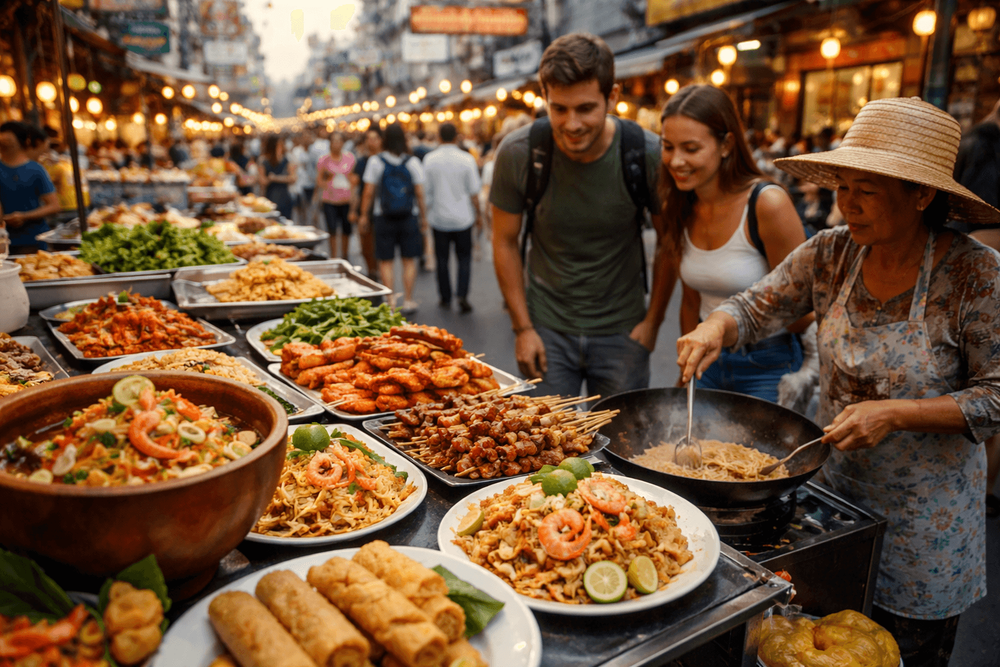
The wok hits the flame, a blue lick of gas kissing blackened steel, and the whole soi smells like garlic and fish sauce. Motorbikes slide past plastic stools, a tuk-tuk coughs by, and a papaya salad vendor thumps a mortar like a drumline. This is where we eat. If you’re here to hunt down the best Khao San Road Thai dishes, welcome to the mess, the music, and the magic.
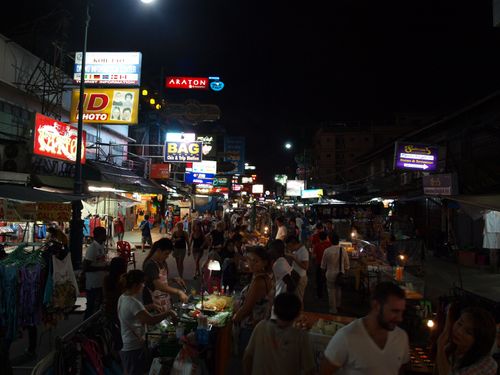
We’ll walk Khao San itself, duck into Soi Rambuttri’s string-lit curve, swing by Phra Athit Road for the river breeze, and grab late-night snacks on Tani Road when the bass on Khao San thumps too hard. We’ll talk flavor, prices, and how to order like you’ve been doing this for years (or at least since lunch).
Why Khao San Road Is Perfect for a First Bite of Thailand
Banglamphu’s maze of streets around Khao San Road is a one-stop tasting menu of classic Thai dishes. The area isn’t just for farang backpackers—Bangkok locals swing by for moo ping (grilled pork), icy Thai tea, and mango sticky rice after a show on Phra Athit. You get variety, late hours, and a concentration of vendors within a few blocks, which makes it easy to try five different plates in one night without torching your budget.
Expect action from late afternoon until well past midnight. Morning has its own rhythm too—khao man gai (chicken rice), rice porridge, and crispy pork over rice are breakfast heroes you’ll spot on Chakrabongse Road and the lanes feeding into Khao San.
If you want more on-the-ground suggestions while you roam, we’ve got deeper dish-by-dish breakdowns and nearby picks here: Bangkok Street Food Guide to Iconic Dishes: Where to Find Pad Thai, Boat Noodles, and Mango Sticky Rice Near Khao San Road.
Must-Try Khao San Road Thai Dishes
These are the hits. Prices shift with season and shrimp size, but we’ve listed ballpark numbers so you know if you’re getting a fair shake.
Pad Thai (ผัดไทย)
- What it is: Stir-fried rice noodles with tamarind, palm sugar, fish sauce, tofu, egg, and usually shrimp or chicken. Crunch comes from bean sprouts and crushed peanuts; lime keeps it bright.
- Flavor: Sweet-tangy-savory, never soupy. Look for smoky wok hei—if the cook tosses hard over high heat, you’ll smell it.
- Price: 60–120 baht; add big prawns and you’ll edge higher.
- Tip: Taste first before hitting it with chili flakes or sugar. Vendors often nail the balance already.
Som Tam (ส้มตำ) – Green Papaya Salad
- What it is: Shredded unripe papaya pounded with lime, fish sauce, chili, palm sugar, and peanuts. Variants add salted crab (pu) or fermented fish (pla ra).
- Flavor: Bright, spicy, funky. “Som tam Thai” is the friendliest for first-timers; “som tam pu pla ra” is deliciously wild once you’re brave.
- Price: 50–80 baht; sticky rice (khao niew) 10–15 baht.
- Tip: Say “pet noi” (a little spicy) if you’re spice-shy. If you’re truly no-heat, try “mai pet.”
Moo Ping (หมูปิ้ง) & Sticky Rice
- What it is: Charcoal-grilled marinated pork skewers, slightly sweet from coconut milk and palm sugar, smoky from the grill. Eaten with warm sticky rice.
- Flavor: Sweet-smoky-salty perfection.
- Price: 10–15 baht per skewer; rice 10–15 baht.
- Tip: Look for a small fan flicking the coals and a steady line—turnover matters.
Mango Sticky Rice (ข้าวเหนียวมะม่วง)
- What it is: Sticky rice steamed with coconut milk, topped with ripe mango and a drizzle of salty-sweet coconut cream.
- Flavor: Creamy, fruity, gently salty.
- Price: 80–120 baht, more off-season.
- Tip: Peak mango season is March–June; off-season plates can still be great, just pricier.
Pad Kra Pao (ผัดกะเพรา) – Holy Basil Stir-Fry
- What it is: Minced pork or chicken fried hard with holy basil, garlic, fresh chilies, and fish sauce, slapped over rice, crowned with a crispy fried egg.
- Flavor: Peppery basil heat, garlicky, savory.
- Price: 60–90 baht; add fried egg +10–15 baht.
- Tip: If it’s sweet, send us the location—we’ll stage an intervention. This dish should punch.
Khao Man Gai (ข้าวมันไก่) – Hainanese Chicken Rice
- What it is: Poached chicken on rice cooked in chicken fat and stock, with a gingery-tangy dipping sauce and a bowl of light broth.
- Flavor: Comforting, clean, savory.
- Price: 50–70 baht.
- Tip: Morning is best. If the chopping board looks like it’s seen some action by 9 AM, that’s a good sign.
Khao Kha Moo (ข้าวขาหมู) – Braised Pork Leg on Rice
- What it is: Soy-braised pork leg with star anise, cinnamon, and palm sugar, served over rice with blanched greens and pickled mustard.
- Flavor: Deep, sweet-salty, aromatic.
- Price: 60–80 baht; add egg +10–15 baht.
- Tip: If you spot a copper pot and mountains of pork on Tani Road, you’re close.
Tom Yum Goong (ต้มยำกุ้ง) – Spicy-Sour Shrimp Soup
- What it is: Lemongrass, galangal, kaffir lime leaf broth soured with lime and tamarind, spiked with chilies, usually with shrimp.
- Flavor: Hot, sour, herbal; sometimes creamy with evaporated milk.
- Price: 120–180 baht per bowl.
- Tip: Ask “nam sai” (clear) if you prefer it bright and brothy over creamy.
Gaeng Kiew Wan (แกงเขียวหวาน) – Green Curry
- What it is: Coconut milk curry with green chili paste, Thai eggplants, basil, and chicken.
- Flavor: Herbaceous, mild-to-medium heat.
- Price: 80–120 baht with rice.
- Tip: Watch for a pot holding at a gentle burble—not aggressively boiling to death.
Massaman Curry (มัสมั่น)
- What it is: Muslim-influenced curry with warm spices—cinnamon, cardamom, clove—plus potato and peanuts, usually with beef or chicken.
- Flavor: Rich, sweet-savory, aromatic.
- Price: 90–140 baht with rice.
- Tip: Great gateway curry if you’re not into heat.
Pla Pao (ปลาเผา) – Salt-Crusted Grilled Fish
- What it is: Whole fish stuffed with lemongrass, crusted in salt, grilled over charcoal, served with herbs, lettuce, and chili-lime dip.
- Flavor: Clean, smoky, zippy from the dip.
- Price: 200–300+ baht depending on size.
- Tip: Best shared—bring a friend and eat by the curb where the smoke is.
Roti (โรตี) – Banana Pancake Cart Dessert
- What it is: Thin dough griddled with egg and banana, chopped and drizzled with condensed milk or chocolate.
- Flavor: Crispy-chewy, sweet.
- Price: 40–70 baht.
- Tip: Ask for less oil if you prefer it crisp over custardy.
Hoy Tod (หอยทอด) – Crispy Oyster or Mussel Omelet
- What it is: Batter fried hard in lots of oil with egg and oysters/mussels until shatter-crisp, served with chili sauce.
- Flavor: Salty, crunchy, a little briny.
- Price: 80–120 baht.
- Tip: If you hear that high sizzle and see a cast-iron pan, you’re in business.
Boat Noodles (ก๋วยเตี๋ยวเรือ)
- What it is: Small bowls of rich pork or beef broth scented with cinnamon and star anise, traditionally finished with pig’s blood for body; bouncy noodles, herbs, crispy pork rinds.
- Flavor: Dark, spiced, savory.
- Price: 30–40 baht per small bowl around this area.
- Tip: Stacks of empty bowls are badges of honor—order two or three.
For dish-by-dish scouting in the neighborhood around Khao San and Banglamphu, we also break things down here: Bangkok Street Food by Dish: Where to Find the Must-Try Classics Near Khao San Road.
The Flavor Map: What You’ll Taste (and Smell) Along the Sois
Thai cooking is a balance beam—salty, sweet, sour, spicy, bitter—played with a bag of tricks you’ll quickly learn to spot:
- Salty: Fish sauce (nam pla) and soy sauce bring umami. Oyster sauce leans sweet and sticky.
- Sweet: Palm sugar adds caramel notes; white sugar is sharper. You’ll see both at seasoning stations.
- Sour: Lime and tamarind do the heavy lifting; vinegar shows up in chili pickles for noodle soups.
- Heat: Fresh bird’s eye chilies in som tam; dried chili flakes for noodles; nam prik pao (roasted chili jam) for depth.
- Herbs: Lemongrass, kaffir lime leaf, galangal in soups; holy basil in stir-fries; coriander and spring onion as finishing touches.
At the table you’ll often find a “khruang prung” caddy—vinegar chilies, sugar, fish sauce with sliced chilies, and dried chili. This is the remix station. Taste before you DJ.
If you’re nervous about spice, no shame. We’ve got a gentle-eater’s playbook here: Bangkok Street Food for Non-Spicy Eaters: What to Order Near Khao San Road.
How to Choose a Good Stall (and Dodge the Duds)
Khao San has gems and gaps. Here’s how we pick winners without overthinking it:
- Follow the noise: A clatter of plates and a short queue usually means quick turnover and fresh food.
- Watch the wok: High flame, confident tossing, and ingredients going in small batches. Pre-cooked mountains of pad thai drying on a tray? Keep walking.
- Ice and order: For seafood and salads, look for clean ice buckets, covered ingredients, and a cook who tongs, not bare-hands, the raw stuff.
- One trick ponies shine: Carts that do just khao man gai or just moo ping usually nail it.
- Transparent prices: Menus with clear baht numbers are your friend. Ask before ordering if you don’t see them.
- Spice codes: If a vendor is used to tourists, “pet noi” will land. If not, smile and point; the universal chili mime works wonders.
- Trust your nose: Rancid oil smells like old crayons. Fresh oil smells toasty, not heavy.
Want a curated loop for snacking along Khao San, Soi Rambuttri, and the side streets? Tap through this primer for more places to prowl: Khao San Road Street Food: What to Eat & Where (2026).
Budget, Timing, and Dietary Notes
Eating here is a choose-your-own-adventure that won’t mug your wallet.
- What to budget: 300–500 baht per person will fuel a grazing night with 4–6 items and a drink or two. A sit-down curry-rice-soup combo will run 120–250 baht.
- Best times: Dusk onward for the full carnival. Early mornings (7–10 AM) for chicken rice, rice porridge, and crispy pork stalls. Midday is quieter and hotter—expect fewer carts but easy seating.
- Drinks: Iced Thai tea or coffee 25–40 baht; bottled water 10–15 baht; fruit shakes 40–70 baht. Bars along Khao San can be loud and pricier; for a calmer beer, slip to Phra Athit.
- Cash & change: Keep small bills and coins. ATMs are everywhere, but fees bite.
- Halal & vegetarian: Look for “halal” signs on Phra Athit and Tani Road for grilled chicken and biryani. For vegetarian, say “mangsawirat” (vegetarian) or “kin jay” (strict vegan Buddhist style—no fish sauce, egg, allium). Ask for “mai sai nam pla” to skip fish sauce.
- Allergies & gluten: Soy sauce and oyster sauce may contain wheat; ask for “mai sai see-ew” (no soy sauce) and “mai sai nam man hoy” (no oyster sauce). Shellfish lives in many sauces; be crystal clear if you’re allergic.
- Heat & hygiene: Bangkok is hot. If you’re worried, start with cooked-to-order dishes eaten piping hot. We’ve survived on street food for years by choosing turnover over tablecloths.
If you want to roam farther than Khao San for truer-blue local vibes, we mapped our favorite nearby eating streets here: Best Bangkok Street Food Streets Near Khao San Road: Where to Go When You Want Real Local Dishes.
Getting There Without Melting
- By river: From BTS Saphan Taksin (S6), hop the Chao Phraya Express Boat north to Phra Arthit Pier (N13), then walk 8–10 minutes to Soi Rambuttri or Khao San. It’s breezy, scenic, and 16–20 baht depending on the flag color.
- By rail + taxi: Airport Rail Link from Suvarnabhumi to Phaya Thai, then a metered taxi or Grab to Khao San (15–30 minutes in light traffic; 80–150 baht). From Don Mueang, a taxi or the airport bus to the old town works—traffic can be spicy at rush hour, so go early.
- By MRT: Sam Yot or Sanam Chai stations put you a short tuk-tuk ride away. Handy if you’ve been temple-hopping near the Grand Palace or Wat Pho.
- By foot: If you’re already in Rattanakosin, it’s a sanuk stroll—Phra Athit’s shade trees are your friends.
We usually sleep within two blocks of Soi Rambuttri—quiet enough to hear birds in the morning, close enough to hear a wok at midnight. Look for places with shade, a pool if you’re lucky, and easy access to a 7-Eleven for cold water and the blessed AC blast between munchies.
A First-Timer Hit List (One Delicious Evening)
Want a simple plan you can follow tonight? Here’s how we’d do it.
- Start on Phra Athit around sunset.
- Sip: Iced Thai tea, 25–35 baht. Watch the river traffic as the heat eases.
- Snack: Moo ping and sticky rice, 10–15 baht per skewer, to set the pace.
- Swing into Soi Rambuttri when the fairy lights pop on.
- Plate 1: Pad thai, 60–120 baht. Ask for chili and lime on the side, and listen for the sizzle.
- Plate 2: Som tam Thai + sticky rice, 50–80 + 10–15 baht. “Pet noi” if you’re cautious.
- Drift to Khao San proper for the spectacle.
- Plate 3: Tom yum goong, 120–180 baht, or green curry with rice, 80–120 baht, if soup sweat isn’t your thing.
- Plate 4: Pad kra pao moo with a fried egg, 60–90 + 10–15 baht.
- Finish sweet.
- Dessert: Mango sticky rice, 80–120 baht, or banana roti, 40–70 baht, if mango’s not in season.
If you’ve got gas in the tank, share a pla pao (200–300+ baht) with someone new you just met on a plastic stool. That’s how Bangkok friendships start.
Downsides That Are Part of the Ride
- Heat and sweat: You’ll sweat. Everyone sweats. Carry tissues and a small water. The AC blast from 7-Eleven is a legal performance-enhancing drug.
- Touts and “special prices”: Smile, keep walking. If a price sounds off, ask again before they cook. Transparent menus win.
- Crowds and noise: Khao San bangs, especially on weekends. Slide one block to Tani Road or Rambuttri if you want to hear your own thoughts.
- Tuk-tuk traps: The infamous 20-baht “all-day” tour will eat your day. If you’re hopping just a few blocks for a late-night noodle run, agree on a reasonable fare first or meter up in a taxi.
Know Before You Go
- Carry cash; small notes are faster.
- Most carts run daily from late afternoon to late night; mornings are great for rice dishes. Vendors take days off when they feel like it—roll with it.
- Trash cans are scarce; return plates to the cart and use bins behind stalls.
- Hydrate, especially if you’re sampling chili-heavy plates.
- Learn three words: sawadee (hello), khop khun (thanks), and a wai with a smile. Magic doors will open.
If you’ve still got room tomorrow, wander to the Golden Mount for a morning climb, then aim your appetite back here. We’ll be somewhere between a wok and a mortar, chasing the next perfect bite.
Related Hotels & Places
More Khao San Road Guides
- Best Thai Street Food Dishes to Try on Khao San Road: What to Order, How Much It Costs, and How to Spot the Good Stalls
- Bangkok Street Food for First-Time Visitors: What to Order, How to Eat, and Where to Go Beyond Khao San Road
- What to Eat on Khao San Road: 20 Must-Try Foods & Where to Find Them
- Best Thai Dishes to Try at Bangkok Street Food Stalls: A Khao San Road Ordering Guide