Grand Palace, Wat Pho, and Golden Mount: Best Hours to Visit Each Temple from Khao San Road
Beat heat and crowds. The real-deal best times to visit the Grand Palace, Wat Pho, and Golden Mount from Khao San—hours, closures, dress code, and routes.
We’re on Soi Rambuttri before the sun bullies its way over the rooftops, the wok at the corner stall spitting chili and garlic like tiny fireworks. A monk in saffron glides past, metal alms bowl catching the first light, and the night-shift cats finally surrender the street to the day. If you’re wondering the bangkok temple best time to visit, this is our answer: when the city is still stretching, when the air hasn’t turned to hot soup, and when the temples feel like sanctuaries instead of checkpoints.
When to Go: Bangkok Temple Best Time to Visit
Timing is everything in Bangkok—especially when we’re temple-hopping from Khao San Road. Here’s the simple rhythm we live by:
- Sunrise to mid-morning (6:30–10:00): Golden. You’ll beat the tour buses, sidestep the worst heat, and get soft light for photos. Wat Pho opens early, monks sweep jasmine blossoms off the tiles, and even the river has a sleepy hush.
- Late afternoon to golden hour (15:30–18:00): A strong second best. The sun eases off, breezes pick up along the khlongs and the Chao Phraya, and temple spires glow like they’ve been dusted in turmeric. Wat Arun is magic at this time.
- Midday (10:30–14:30): Not ideal. It’s bright, hot, and busy. If the schedule demands it, we duck in and out of shade, take AC breaks at 7-Eleven, and keep visits short.
By season:
- Cool season (roughly Nov–Feb): If you’re planning the bangkok temple best time to visit, this is it. Cooler mornings, crisp light, and more comfortable afternoons. Crowds swell around Christmas and Lunar New Year, so go even earlier.
- Hot season (Mar–May): Early morning becomes non-negotiable unless we enjoy sweating through linen. Sun is harsh for photos; aim for soft light windows.
- Rainy season (Jun–Oct): Don’t fear the showers. Skies can be dramatic, clouds diffuse the light, and post-rain air feels freshly laundered. Late afternoons after a storm are gorgeous. Pack a light poncho.
If you’re deciding between a dawn dash and a sunset stroll, we break down the trade-offs in our temple-timing deep dive here: Bangkok Temple Run in the Morning vs Afternoon: Best Timing for Wat Pho, the Grand Palace, and Golden Mount.
Hours, Closures, and Ceremonies You Should Know About
Temples don’t all march to the same drum. Typical patterns:
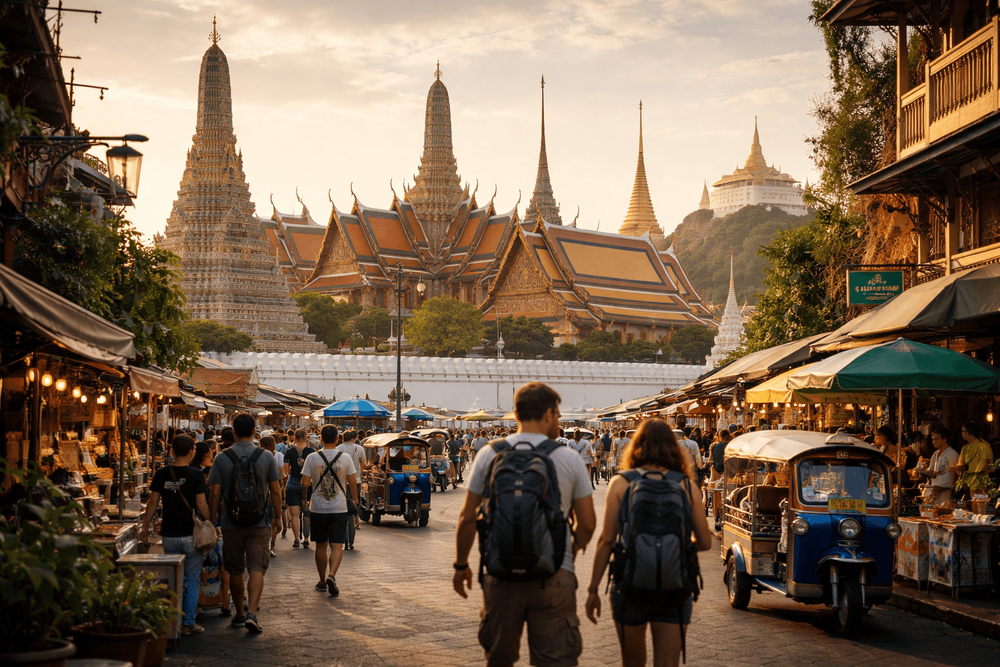
- Grand Palace & Wat Phra Kaew (Temple of the Emerald Buddha): Opens in the morning and closes mid-afternoon. It’s the strictest schedule and the priciest ticket in town. Get there right at opening if you can. Royal ceremonies can close sections—or the entire complex—without much notice.
- Wat Pho (Temple of the Reclining Buddha): Opens earlier than most, stays open into the early evening. Great for pre-breakfast serenity, then again after 16:00. The massage school inside opens later in the morning.
- Wat Arun (Temple of Dawn): Daytime hours. Best visited late afternoon so you’re not climbing those steep prang steps at high noon.
- Wat Saket (Golden Mount): Long hours, sometimes later during festivals. Easy to pair with dawn light or a breezy pre-sunset climb.
Public holidays and religious days (Makha Bucha, Visakha Bucha, Asalha Bucha) can mean more worshippers, partial closures for chanting, or switched-off loudspeakers that make the courtyards feel beautifully hushed. Royal events can ripple across Rattanakosin; the Grand Palace in particular may restrict access with little warning. Always check the official signboard at the gate the day of—don’t trust a stranger on the street who says “closed today.” That line is a classic tuk-tuk scam designed to redirect farang to gems and tailor shops.
Money matters: the Grand Palace fee is the one that makes your wallet notice; most other wats charge modest amounts or are donations-based. Keep small bills (20s and 50s) handy for tickets and donation boxes, and dress right so you don’t have to rent a sarong.
For a nuts-and-bolts timing plan that zeroes in on openings and closures, we’ve mapped out a sunrise-to-noon strategy here: Bangkok Temple Run with Sunrise and Early Entry Timing: Beating Heat and Crowds at Wat Pho, Grand Palace, and Golden Mount.
Dress Code and Etiquette: How Not to Be “That” Visitor
Thai temples are active places of worship, not just photogenic backdrops. The dress code isn’t a suggestion:
- Cover shoulders and knees: No tank tops, crop tops, or short shorts. Lightweight trousers or a long skirt and a breathable tee are perfect. Sarongs are sometimes available to borrow or rent at gates, but sizes run out fast during peak hours.
- Shoes off: Slip-ons save time. Remove your hat and sunglasses when you step into temple halls.
- Keep it cool: Use your indoor voice; this isn’t Khao San at 1 a.m. Don’t point your feet at a Buddha image, don’t climb on anything sacred, and don’t sit on railings.
- Photos: Always follow posted signs. Some ordination halls ban photography, and flash is a no-no around old murals and gilding.
- Respect the line: If people are praying, step around—not through—their path. A little wai (palms pressed, small bow) goes a long way for a sawadee and thank you.
Pack list: thin scarf or shawl, socks if you hate hot tiles, a small reusable water bottle, and a pocketful of coins for donations. A tiny umbrella doubles as sunshade; temple courtyards don’t offer much cover at noon.
Where Timing Matters Most: Temple-by-Temple
Grand Palace & Wat Phra Kaew (Temple of the Emerald Buddha)
- Best time: Right at opening. We aim to be outside the Na Phra Lan gate a few minutes before the shutters rise. You’ll glide through security, catch the glittering mosaics in honeyed morning light, and walk the cloisters before the tour flags arrive.
- Why not midday: Crowds. Heat. Glare off gilding. The Emerald Buddha’s ordination hall can also be periodically closed for ceremonies.
- Insider notes: The outer courtyard floors heat up fast—go early or wear socks you don’t mind padding around in. Keep an eye on the dress code checks; the Palace is stricter than neighborhood wats. Don’t buy “helpful” scarves from touts; if you need one, get it from the official counter inside.
- Getting there from Khao San: Walk 20–25 minutes along Na Phra That Alley toward Sanam Luang, or take the Chao Phraya Express from Phra Arthit Pier to Tha Chang and stroll a few minutes. A tuk-tuk will quote you the moon; agree a price before you hop in.
Wat Pho (Temple of the Reclining Buddha)
- Best time: Just after opening. We like to slip in while brooms are still whispering over the tiles. The Reclining Buddha’s hall is a different experience when you can actually hear your own breath.
- Why it works: Milder temps in the courtyards, gentle light on the chedis, and faster access to the massage school when it opens. Late afternoon (after 16:00) is also relaxed.
- Tip for photos: The Buddha fills the hall; wide lenses help. Watch for reflection shots in the polished pillars.
- Pairing move: After Wat Pho, wander to Tha Tien pier and hop the tiny cross-river ferry to Wat Arun. It costs just a handful of baht and saves you a sweaty detour.
Wat Arun (Temple of Dawn)
- Best time: Late afternoon into golden hour. The river breeze kicks up, shadows carve the porcelain patterns on the prang, and the skyline across the water softens. Sunrise is also lovely if you’re setting up on the opposite bank near Tha Tien.
- Why not midday: Those steps are steep, the sun is savage, and you’ll feel like a lizard on a hot rock.
- Insider notes: You don’t have to climb high—one or two tiers give you all the patterns and river views without a calf workout. Respect roped-off areas; restorations are ongoing.
Golden Mount (Wat Saket)
- Best time: Dawn or late afternoon. At sunrise, Bangkok unfurls in 360 degrees—Rattanakosin’s rooftops, the Giant Swing, and a hazy hint of Siam. Near sunset, bells tinkle in the breeze as incense snakes up the stairs.
- Festival caveat: During Loy Krathong (usually November), the temple grounds turn into a nostalgic fair with lanterns, snacks, and games. It’s joyous—and busy. Go early or late for fewer shoulders.
- Practical: The stairs (just over 300) are gentle and shaded, with plenty of nooks to pause. Bring water; the kiosk at the top sells cold drinks if you forget.
Wat Suthat & the Giant Swing (Sao Ching Cha)
- Best time: Early morning for quiet or blue hour for drama against the sky. The viharn is vast and echoey, and the murals reward slow looking.
- Bonus: The square around the Giant Swing is great for street snacks and people-watching as the heat lets up.
Loha Prasat at Wat Ratchanatdaram
- Best time: Late afternoon when the sun kisses the metal spires and the tour groups have thinned. The geometric corridors are a photographer’s grid dream.
- Nearby: Walk Dinso Road toward Democracy Monument for coffee or a bowl of boat noodles if your stomach is singing.
If you’re plotting which to hit first versus later, we lay out a Khao San–friendly sequence in: Best Time to Visit Bangkok’s Big Three Temples from Khao San Road: Early Morning, Midday, or Late Afternoon?
Getting There from Khao San: Routes, Heat Hacks, and Crowd Evasion
We base ourselves near Khao San and Soi Rambuttri because it’s walkable to Rattanakosin’s heavy hitters and the river ferries. Here’s how we string the day together without melting.
- The river is your friend: From Phra Arthit Pier on Phra Athit Road, ride the Chao Phraya Express Boat downriver. It’s breezy, scenic, and cheap (think roughly the price of a bottle of water). Get off at Tha Chang for the Grand Palace or Tha Tien for Wat Pho, then take the cross-river ferry to Wat Arun.
- Walking routes: Khao San to the Grand Palace is an easy amble past Sanam Luang. Golden Mount is a longer but pleasant walk via Dinso Road and the Giant Swing—shade side of the street, always.
- Tuk-tuks and taxis: Tuk-tuks are fun and very sanuk, but always agree on the fare first and avoid “stops.” Metered taxis are blissfully AC’d; show the driver a Thai-language pin or a map screenshot to skip confusion.
- Canal boats: If you’re coming from farther afield (Sukhumvit or Pratunam), the Khlong Saen Saep boat to Phanfa Leelard Pier drops you a short walk from the Golden Mount. It’s splashy, fast, and fascinating.
Heat management:
- Start at dawn. Our favorite order is Wat Pho first, hop to Wat Arun, then cross back for the Grand Palace before lunch. Save Golden Mount for late afternoon when the stairway breeze turns on.
- Hydrate like a champ: Every 7-Eleven is an oasis; the blast of AC feels like a hug from the gods. Electrolyte drinks are your midday friends.
- Dress for the sauna you’re in: Loose fabrics, light colors, sun hat, and proper temple coverage. Pack a spare shirt if you’re a heavy sweater.
- Shade and breaks: Pause under trees around Sanam Luang or slip into a cafe on Phra Athit Road. Even 10 minutes in AC resets your day.
Crowd control:
- Beat the buses: Buses tend to land at the Grand Palace mid-morning. If you can’t make opening, shift the Palace to late afternoon and expect a security queue.
- Pick your moments: Rain just passed? Go. Clouds in the forecast? Even better. Diffused light and fewer crowds are your reward.
- Eat off-peak: Grab breakfast early (jok rice porridge or a roti and condensed milk coffee), then a late lunch after the temple rush. No one does grumpy like a hungry farang in the sun.
Know Before You Go
- Cash and change: Keep small bills and coins. Temple kiosks and ferries don’t love big notes.
- Tickets: Official ticket windows are just inside the gates. Ignore “helpers.” If someone says “closed,” thank them politely and keep walking to the official sign.
- Modesty layers: A thin scarf or sarong in your daypack solves dress hiccups. Some sites rent or lend, often with a deposit.
- Footwear: Slip-on sandals or trainers you can hop in and out of are ideal. Socks help with hot tiles.
- Respectful snaps: Ask before photographing monks. Keep tripods and drones at home; rules are tight in Rattanakosin.
- Time buffers: Build 15–20 minutes of cushion for security at the Grand Palace and ferry waits at Tha Tien.
For a more granular, hour-by-hour playbook, including how to dodge prayer closures and maximize shade, this guide helps fine-tune your plan: Best Time of Day to Visit Wat Pho, the Grand Palace, and Golden Mount from Khao San Road: Beat Heat, Crowds, and Prayer Closures
Sample Half-Day from Khao San (What We Actually Do)
- 06:45 — Coffee on Phra Athit Road as the city yawns awake. Quick banana roti if we’re peckish.
- 07:50 — Enter Wat Pho. Quiet courtyards, shade, and a greeting of sawadee to the grounds staff as they sweep.
- 09:15 — Cross from Tha Tien to Wat Arun. Slow climb, river breeze, and a breather on the terrace steps.
- 10:30 — Chao Phraya boat up to Tha Chang, straight to the Grand Palace. Anything we miss today, we’ll catch late afternoon another day.
- 12:30 — Late lunch, iced tea, and a victorious plunge into AC. Nap time or a massage back near Khao San once the heat peaks.
- 16:30 — If we’ve still got steam, Golden Mount for bells and sunset.
Where to Crash Between Temples
Staying near Khao San or Soi Rambuttri keeps you walking-distance to most of old Bangkok’s wats, with Phra Arthit Pier as your river gateway. We usually pick a place with a pool or strong AC—that post-lunch cool-down is the difference between loving Rattanakosin and melting into a sidewalk puddle. If you’re farther out (Siam, Silom, Sukhumvit), plan your temple runs as early morning missions and use the boats to jump traffic.
Whatever you choose, set your alarm. We’ll meet you at dawn with sticky rice, a camera battery at 100%, and the kind of quiet Bangkok only shows to early risers.
Related Hotels & Places
Wat Phra Kaew
Temples
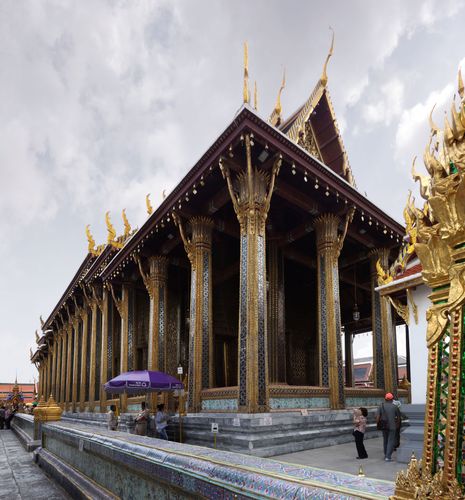
Bangkok’s holiest temple inside the Grand Palace. Go early (8:30am–3:30pm). Buy the 500 THB ticket at Na Phra Lan Rd gate. Dress code enforced. Marvel at Ramakien murals and the tiny Emerald Buddha whose robes change with the seasons. 10–15 minutes’ walk from Khao San.
Khao San Road
Attractions
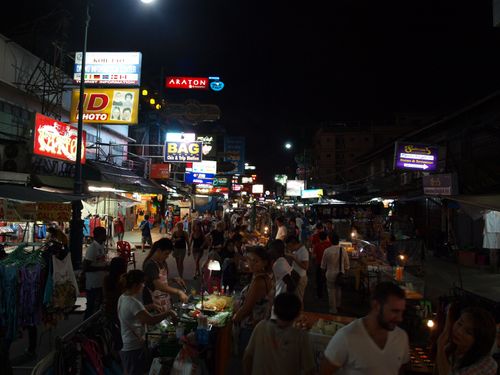
Bangkok’s backpacker carnival: curbside bars, live bands and DJs from 3pm–2am (midnight Sun). Street eats are cheap — pad thai 70–100 THB, mango sticky rice 60–100 THB. Come for wild people-watching; duck into Rambuttri for a calmer beer.
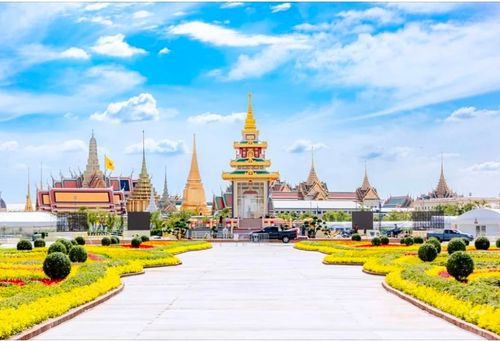
Sanam Luang
Attractions
Bangkok’s royal lawn facing the Grand Palace. Free to wander, ringed by tamarind trees, popular for kite flying (Feb–Apr) and lazy green‑space hangs. A 10‑minute walk from Khao San; come early for soft light and street snacks along Na Phra That Rd.
Thanon Ram Buttri Night Market
Markets
Laid‑back Rambuttri after dark: sizzling street food (50–80 THB), cold beers (80–120 THB), neon cocktail vans, live acoustic bars, and stalls of travel gear and hippie pants — a calmer pregame spot a minute from Khao San, best from sunset till late.
More Khao San Road Guides
- Best Time of Day to Visit Wat Pho, Grand Palace, and Golden Mount from Khao San Road
- Best Order to See Wat Pho, the Grand Palace, and Golden Mount from Khao San Road: A Crowd-Smart Timing Guide
- How Long to Spend at Wat Pho, the Grand Palace, and Golden Mount on a Temple Day from Khao San Road
- Best Start Times for Wat Pho, the Grand Palace, and Golden Mount from Khao San Road