
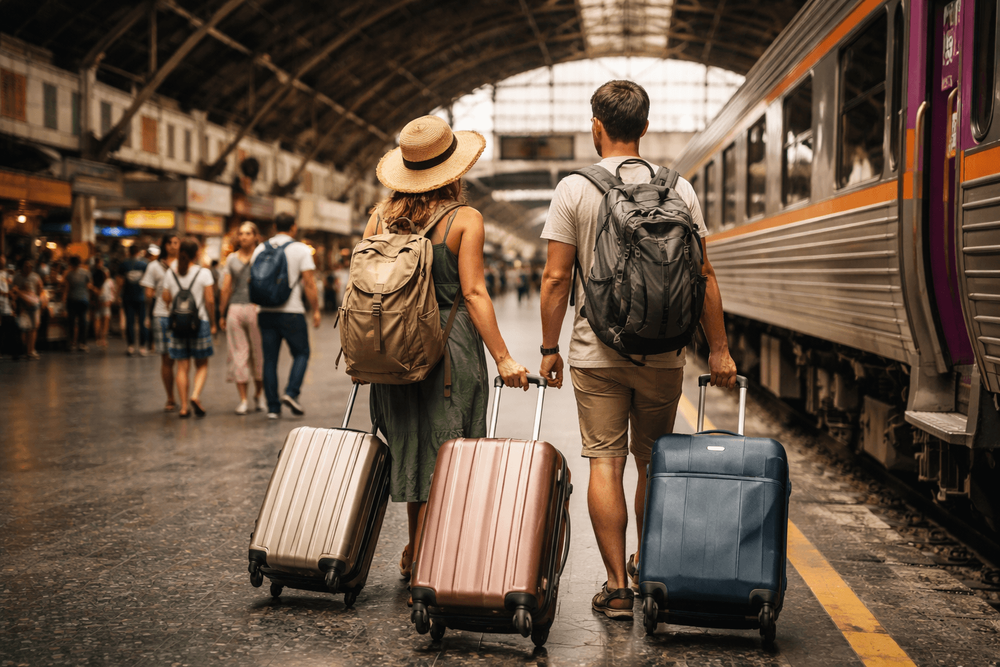
Bangkok to Chiang Mai with Luggage: The Easiest Travel Options for Families, Couples, and Heavy Bags
Rolling north with real bags? We compare flight, train, bus, and private car from Bangkok to Chiang Mai with luggage—costs, limits, storage, and smoothest routes.
The tuk-tuk exhaust hangs low over Soi Rambuttri, a wok hisses somewhere behind the fairy lights, and our suitcase wheels thrum over the uneven pavement like a tiny drum line. We’re leaving Bangkok for Chiang Mai with luggage—real luggage, not just a daypack—and the mission is simple: get north with minimal sweat, stairs, and stress.
Here’s how we actually do it, what it costs, what fits where, and when to skip the sanuk and pay for convenience instead.
Bangkok to Chiang Mai with luggage: your main options
We’ve run this route more times than we can count, from red-eye flights after a Khao San Road bar crawl to sleeper trains with mango sticky rice for breakfast. With bags in tow, these are your choices.
Flying (BKK or DMK to CNX)
- Time: 1 hour 10 minutes in the air; door-to-door usually 3–4 hours
- Price: 1,000–3,500 THB one-way (base fare). Add 300–1,200 THB for checked bags depending on airline and when you pay
- Luggage comfort: Best for heavy or multiple bags if you pre-book luggage
Flights leave from both Suvarnabhumi (BKK) and Don Mueang (DMK) all day. If we’ve got two big rollers and a stroller, we fly. Airlines are clear about weight and offer proper check-in belts; your back will thank you.
Typical carry-on on Thai domestic flights is about 7 kg per person; anything bigger goes in the hold. Low-cost carriers often sell checked baggage in 15–20–30 kg blocks. Pre-book online—it’s cheaper than paying at the airport counter. If you want the full breakdown of timing and which airport suits your plans, we’ve laid it out here: Bangkok to Chiang Mai by Plane: How to Choose the Best Flight Time, Airport, and Fare.
Transfers with bags are straightforward. From Sukhumvit, the Airport Rail Link to BKK spares you traffic; from the Old Town or Khao San, we just Grab or meter taxi to either airport (expect 250–400 THB to DMK; 300–600 THB to BKK depending on traffic and tolls). In Chiang Mai, the airport (CNX) is blissfully central—10–20 minutes to the Old City. Red songthaews (shared pickup trucks) charge roughly 50–80 THB per person to the moat; Grab or a metered taxi is usually 150–250 THB for a couple with luggage.
Train (Krung Thep Aphiwat to Chiang Mai)
- Time: 11–13 hours; overnight sleepers are the sweet spot
- Price: 1,000–1,700 THB for a sleeper berth; 600–1,200 THB for a seat
- Luggage comfort: Good for one medium suitcase or a big backpack per person; easy, but not infinite space
Bangkok’s long-distance trains now depart from Krung Thep Aphiwat (Bang Sue Grand Station), a gleaming box of AC and escalators. There are elevators and luggage trolleys—use them. On the sleeper, you’ll stash bags under the lower berth or on overhead racks; two big 25–30" rollers and a couple of daypacks fit if we Tetris it.
Trains don’t charge for normal luggage and checks are rare, but think carry-on style: manageable, no propane tanks, no giant surfboards. The ride is slow but sanuk if you treat it like a moving guesthouse—no rush, read a book, wake up to morning light on rice paddies and teak houses on stilts. Chiang Mai Railway Station sits just east of the Old City; songthaews are lined up outside, and drivers are used to big bags.
Bus (Mo Chit 2 to Chiang Mai Arcade)
- Time: 9–11 hours (day or overnight)
- Price: 500–1,000 THB; VIP/24-seat buses 800–1,200 THB
- Luggage comfort: Solid—the hold swallows big suitcases; overhead racks take daypacks only
Buses leave from the Northern Bus Terminal (Mo Chit 2). VIP and “24-seat” coaches are best if you’re hauling gear: more legroom, blankets, and a calmer ride. The underfloor hold takes full-size rollers—just tag your bag and keep your valuables onboard. We’ve spelled out what “VIP” actually buys you here: Bangkok to Chiang Mai by VIP Bus: Is the Extra Comfort Worth It?.
Overnight buses do one or two highway rest stops. If you’re a light sleeper, pack earplugs and a hoodie. Arrival is at Chiang Mai Arcade 2/3, about 3 km from the Old City; red trucks and Grab are plentiful.
Shared minivan
- Time: Often similar to buses, but more cramped
- Price: 400–700 THB
- Luggage comfort: Weak—one medium bag per seat is about the max
Minivans are fast and cheap but have minimal luggage space. With a large suitcase, you’ll likely need to pay for an extra seat. For budget travelers trying to decide if the squeeze is worth it, we dug into the trade-offs here: Bangkok to Chiang Mai by Shared Minivan: Is It a Smart Budget Choice?.
Private car or private transfer
- Time: 8–10 hours door-to-door, with scenic breaks in between
- Price: roughly 6,000–10,000 THB per vehicle depending on size and stops
- Luggage comfort: Best-in-class; a sedan fits 2–3 big suitcases, MPV/SUV 4–5, and a van can haul a family plus strollers and snacks
When grandparents are along or we’re moving half our wardrobe, we book a private car. No schlepping through stations, no bag weight drama, just air-con and freedom to stop for khao soi in Lampang. If you’re weighing the cost versus convenience, this explainer helps you decide when it’s worth it: Bangkok to Chiang Mai by Private Car: When a Door-to-Door Transfer Makes Sense.
Luggage rules, weight limits, and storage: what actually happens
Let’s translate policy into reality. Always check your specific ticket/fare, but here’s what we’ve seen and hauled ourselves.
Flights
- Carry-on: Typically 7 kg per person; think small roller or backpack. Dimensions matter—if it looks big, you may be asked to check it.
- Checked baggage: Pre-book 15–30 kg blocks. It’s cheaper online than at the counter (airport add-ons can double the price).
- Oversize/sports gear: Usually allowed with a fee; pre-declare online to save money.
- Strollers/infant gear: Often checked free or at reduced rates; check your fare rules.
- Storage: CNX and BKK offer left-luggage services and coin lockers; budget around 50–200 THB per day per item depending on size.
Trains
- Practical limit: One large suitcase or backpack plus a small bag per person fits comfortably; more is possible but awkward in the aisle.
- Racks and under-berth spaces: Lower-berth tickets are gold if you’ve got a big roller; the space beneath is generous.
- Lock it: Soft bags can slide on the racks; bring a strap or cable lock to clip to the frame.
- Station help: Krung Thep Aphiwat has elevators, ramps, and trolleys. Porters sometimes roam; agree on the fee first (50–100 THB for a couple of bags is common).
Buses
- Hold space: Generous. Tag your bag, snap a quick photo, and keep the sticker they hand you.
- Carry-on: Daypack only—overhead racks are shallow.
- Weight: Operators rarely weigh, but if you turn up with five trunks you’ll be charged or refused. One big bag per person is the norm.
- Overnight tip: Keep a small pouch with passport, cash, and headphones on you.
Shared minivans
- Reality check: One medium suitcase + one small backpack per person is about it.
- Workaround: Buy an extra seat for bulky items or choose a bus instead.
Private car/transfer
- Capacity: Tell the operator exactly how many and what size bags you have. A Toyota Innova/SUV fits 4–5 big suitcases; a van eats luggage for breakfast.
- Flexibility: You control rest stops and can detour to stores if you forgot duct tape or a rain cover.
Comfort and convenience with bags: stations, access, and onboard space
Bangkok can be a sweaty maze with luggage, but a few smart moves keep it smooth.
Getting to your departure point
- Airports
- BKK (Suvarnabhumi): Airport Rail Link to Phaya Thai connects to BTS; lots of elevators. With heavy bags, taxi/Grab from Old Town is saner than multiple transfers.
- DMK (Don Mueang): SRT Red Line connects to Krung Thep Aphiwat; otherwise taxi/Grab. Stairs and crowds on the skybridge can be a slog at rush hour.
- Train: Krung Thep Aphiwat sits on the MRT Blue Line (Bang Sue). From Khao San/Phra Athit, we skip buses and just Grab—200–300 THB buys you peace and AC.
- Bus: Mo Chit 2 is a taxi/Grab ride from BTS Mo Chit; the last stretch is not fun with roller bags in the sun. Budget 150–250 THB from central areas.
Onboard realities
- Planes: Overhead bins swallow standard rollers but fill fast; board early if you’re a carry-on warrior. Checked bags are happiest in the hold.
- Trains: Lower berths have the best bag space. Upper berths sleep fine, but you’ll wrestle your bag onto the rack.
- Buses: Your big bag rides below. Keep slippers or flip-flops handy for rest stops; aisles are narrow.
- Minivans: Knees to chin, backpacks at your feet. Not our pick with heavy gear.
- Private car: Your throne of comfort. Set the AC to “Arctic 7‑Eleven blast” and cruise.
What’s best for your bags and budget?
Let’s match traveler types to transport so your luggage doesn’t run the trip.
- Families with strollers and two big suitcases: Fly if you’re cost-sensitive and can pre-book baggage, or go private car for door-to-door sanity. CNX’s close-in airport means naps aren’t wrecked.
- Couples with one roller each who love a bit of romance: Overnight train sleeper, lower + upper berth combo. Snack in the dining car, wake to misty hills.
- Backpackers with chunky packs chasing value: Overnight VIP bus is cheapest comfortable; book a 24-seat coach if you can. If you’d like a checklist of trade-offs across all modes, we built this guide: Bangkok to Chiang Mai by Train, Bus, Flight, or Private Car: Which Option Is Best for Your Trip?.
- Photographers with fragile gear or cyclists with a foldable bike: Fly (declare and pad the gear) or hire a private car to avoid baggage belts and jostling.
- Moving house or traveling with musical instruments: Private van. Pricey, yes, but it wins on space and control.
Money-wise, flights with paid bags and VIP buses often land within a few hundred baht of each other. Trains sit in the middle if you snag the class you want. Private transfers are the splurge that buys back time and comfort.
How to move luggage smoothly between Bangkok and Chiang Mai
A few street-smart tricks make heavy bags feel lighter.
Pack for Thailand’s reality, not Instagram
- Wheels + straps: Sidewalks are patchy near Khao San and around old sois. A roller plus a rugged luggage strap saves your wrists when a wheel finds a pothole.
- Two medium bags beat one massive beast: Easier to stack, lift, and stash under train berths.
- Rain covers: Afternoon downpours are sudden. A cheap nylon cover or a heavy-duty plastic bag (20 THB from any 7‑Eleven) keeps clothes dry.
- Packing cubes: Not cute, just efficient. We pull out one cube for the overnight train and leave the rest buried.
Use left-luggage and lockers when it helps
- Bangkok airports (BKK/DMK): Left-luggage counters and coin lockers, typically 50–200 THB per day depending on size. Useful if you’re doing a side trip.
- Krung Thep Aphiwat: Luggage storage and plenty of trolleys; hours vary but plan around 06:00–22:00 service windows.
- Chiang Mai (CNX): Left-luggage near Arrivals; similar pricing. Handy if your guesthouse check-in is later.
- Chiang Mai Railway Station/Arcade Bus Terminal: Staff are used to guarding bags for short stints; there are paid lockers/left-luggage desks depending on the operator—ask at the info counter and get a receipt sticker.
Move between hubs without pain
- From Khao San/Phra Athit to any hub: Grab or meter taxi. The Chao Phraya Express boat + MRT is romantic but stair-heavy—skip with heavy luggage.
- From Sukhumvit: MRT to Bang Sue for trains; ARL to BKK for flights. Elevators exist, but crowds + bags = sweat. A taxi can make sense off-peak.
- In Chiang Mai: Red songthaews are cheap per person, but a couple with two big rollers often pays less on Grab. Don’t be shy—ask the driver to open the back and slide your bag in.
Keep your stuff safe without paranoia
- Label your bags clearly in English and, if you can, Thai. We snap photos before check-in or bus loading.
- On buses, don’t lose the baggage sticker—they match it when you claim.
- Keep passports, meds, camera, and a change of clothes in your daypack. The rest can be checked or stashed.
Avoid classic pain points
- Rush hour: 07:30–09:30 and 16:30–19:30. Add 45–60 minutes to reach any Bangkok hub with luggage.
- Touts: At Mo Chit 2, DMK, and CNX, you’ll hear “Taxi, taxi!” Smile and walk to the official stand or book Grab/Bolt.
- Heat: That mid-afternoon wall of humidity? Duck into 7‑Eleven for an AC blast and a 14 THB water. Hydrated travelers make better choices.
Know before you go: quick FAQs for luggage-laden trips
- Can we bring a big suitcase on the Thai train? Yes. One large suitcase or a big backpack per person fits—lower berths offer the easiest storage. Bring a small cable lock.
- Are there weight limits on buses? Not rigidly enforced, but one big bag per ticket is standard. Extremely heavy/oversize items may be refused or charged extra.
- What about flights with lots of luggage? Pre-book checked baggage online in the weight you need. Show up early if you’re checking multiple pieces.
- Do taxis and songthaews mind big bags? They’re used to it. For songthaews, load first so you’re not balancing on the tailgate while the driver lurches off.
- Where should we stay in Chiang Mai with heavy bags? Near the Old City gates (Tha Phae or Chiang Mai Gate) or along Nimman for easy access and flat sidewalks. In Bangkok, we like being near MRT/BTS lines if we’re training or flying, and near Phra Athit/Khao San if we’re bussing from Mo Chit.
A few sample routes we actually use
- Heavy bags, short fuse: Taxi from Soi Rambuttri to BKK (45–60 minutes off-peak), flight to CNX, Grab to a guesthouse near the moat. Door-to-door in ~3.5 hours.
- Balanced budget, one roller each: MRT to Bang Sue, overnight sleeper to Chiang Mai, red truck to the Old City. Sleep through the miles, wake hungry, and beeline for khao soi.
- Family convoy, two kids, one stroller, three suitcases: Private car from riverside Bangkok, lunch stop in Nakhon Sawan, arrive Chiang Mai before sunset with zero stairs.
If you’re still weighing the trade-offs across price, speed, and bag volume, we pull it all together here too: Bangkok to Chiang Mai by Train, Bus, Flight, or Private Car: Which Option Is Best for Your Trip?.
Final word from the road
When the bass on Khao San is still thumping and the Golden Mount is a shadow against the smoggy dawn, we’ve rolled every kind of suitcase toward every kind of ride. With one bag and a taste for romance, we book the sleeper. With two or more big bags—or a toddler—we fly or go private. Either way, we grab sticky rice for the journey, say Sawasdee Ayutthaya to the driver, and let the city slip away as Chiang Mai’s mountains take shape ahead.
Related Hotels & Places
Sawasdee Ayutthaya
Services
Khao San Road
Attractions
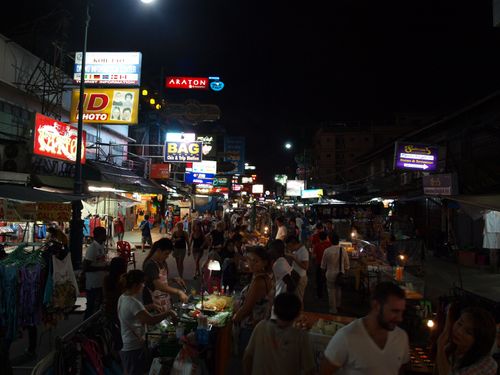
Bangkok’s backpacker carnival: curbside bars, live bands and DJs from 3pm–2am (midnight Sun). Street eats are cheap — pad thai 70–100 THB, mango sticky rice 60–100 THB. Come for wild people-watching; duck into Rambuttri for a calmer beer.
Brick Bar
Bars
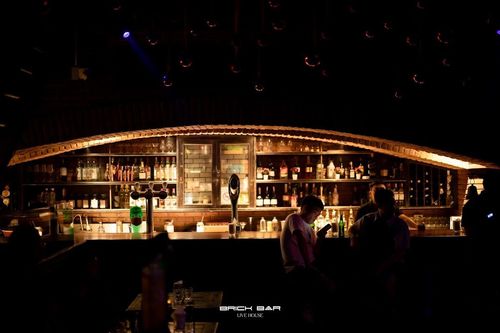
Legendary live music venue in the Buddy Lodge complex. Thai ska, jazz, and blues bands play nightly in this underground basement bar beloved by locals and travelers alike.
More Khao San Road Guides
- Bangkok to Chiang Mai for Families: Which Travel Option Is Easiest With Kids and Bags
- Bangkok to Chiang Mai for Families: Choosing the Best Transport for Kids, Bags, and Comfort
- Bangkok to Chiang Mai with Kids: The Easiest Family-Friendly Travel Options Compared
- Bangkok to Chiang Mai: Which Transport Option Is Best for Your Budget, Time, and Comfort?