
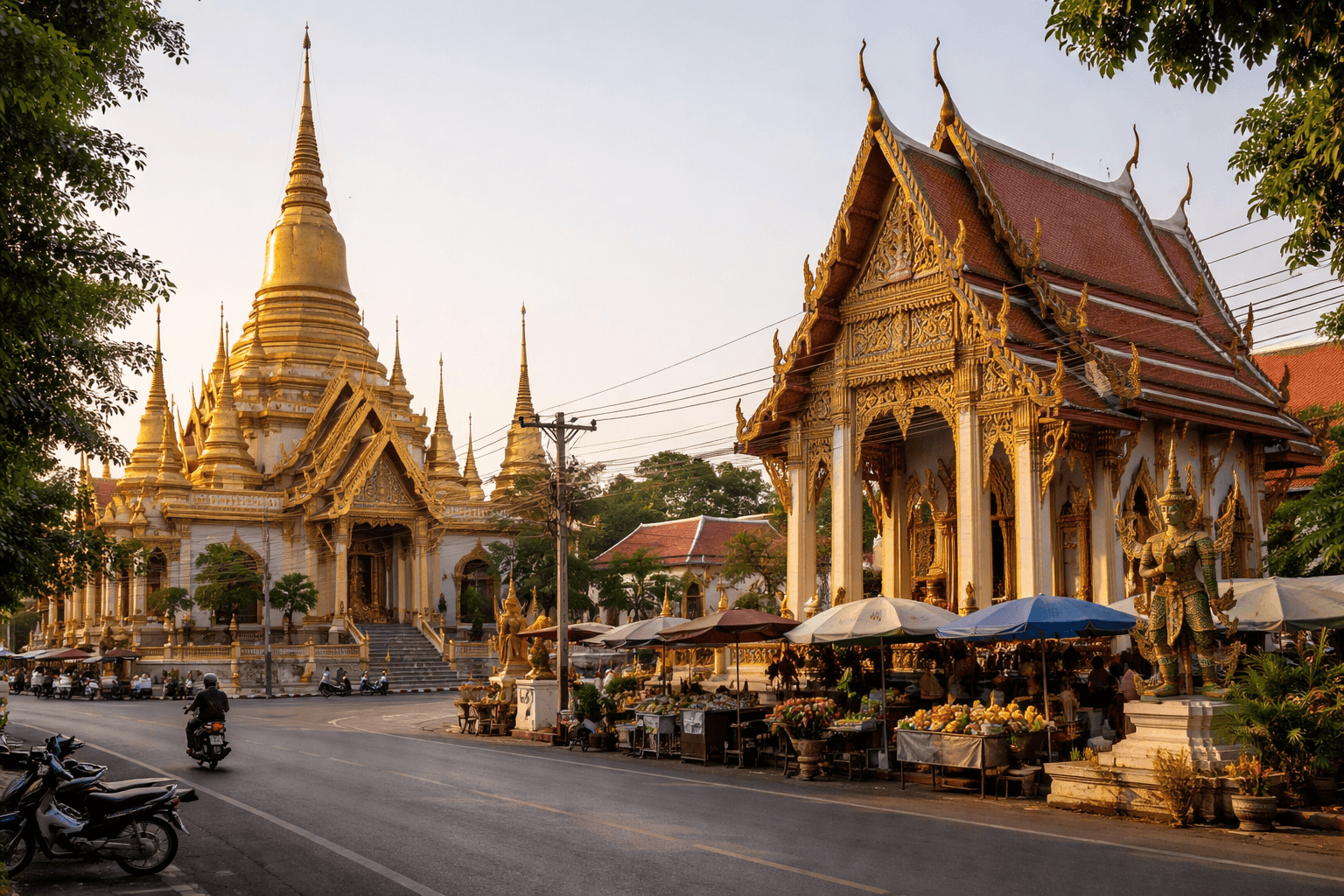
Temples in Sing Buri Center
Slow-paced temple-hopping by the Chao Phraya, morning markets, and zero tourist hassle. Sing Buri center is where we swap Bangkok buzz for small-town sanuk.
515 places within 3km matching filters
Closed
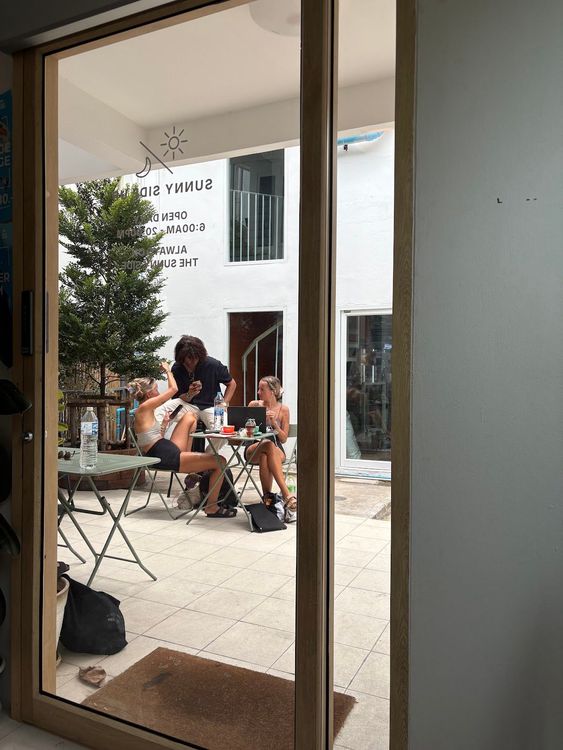
Sunny Side Up Cafe Khaosan
Restaurants $$$
Closed
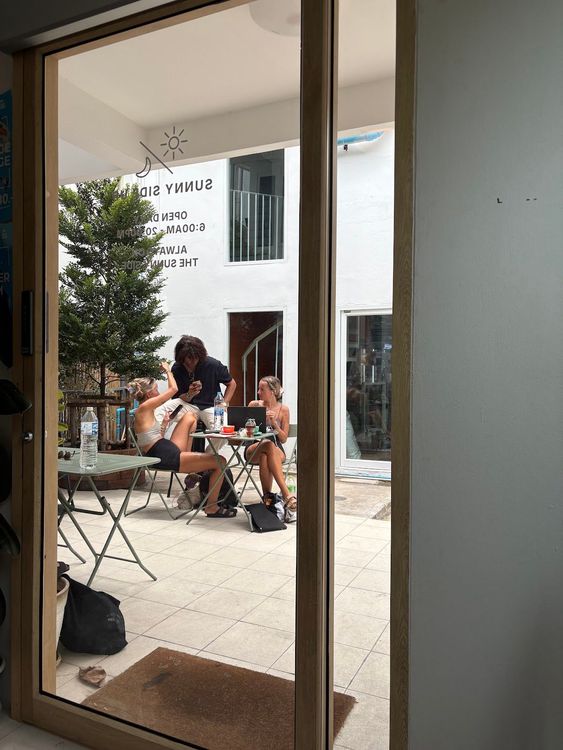
Sunny Side Up Cafe Khaosan
Cafes $$$
Open
Tha Chang Bangkok
Bars $$$
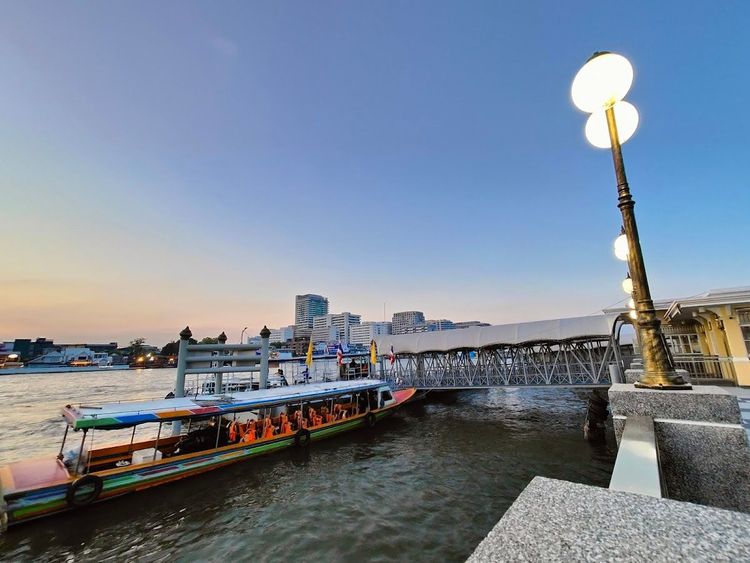
Tha Chang Bangkok
Bars $$$
7.9
Hotel
Tanee Place
See prices
Open
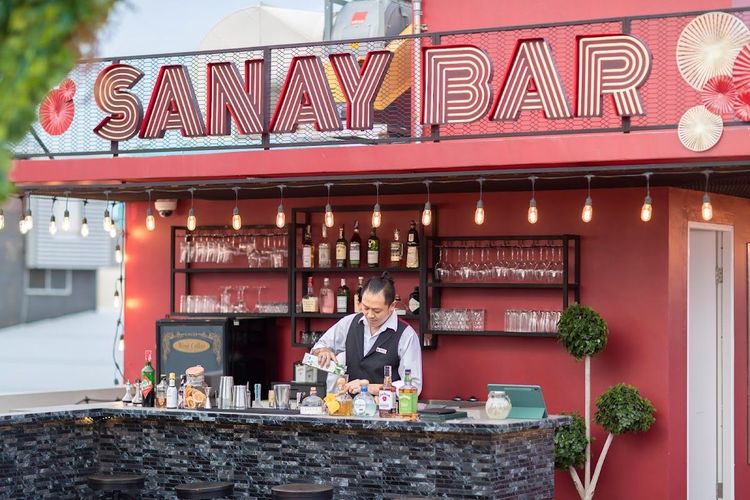
Sanay Rooftop Bar Khaosan - เสน่ห์ รูฟท็อป บาร์ ข้าวสาร
Bars $$$

7.0
Hotel
Collection O Khaosan Park
See prices

7.9
Hotel
Villa Cha-Cha Khaosan Rambuttri
See prices
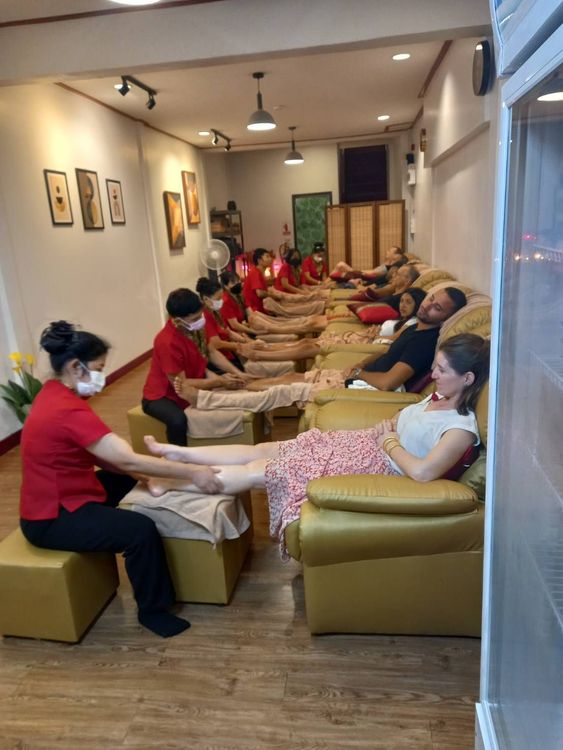
Aromee massage
Massage $$$
Open
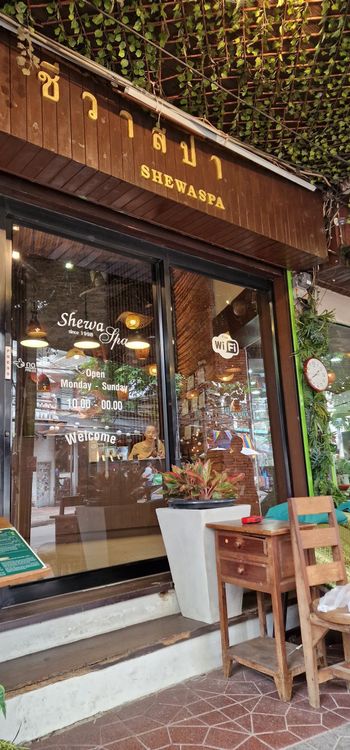
Shewa Spa
Massage $$$
On Top Khaosan
Restaurants $$$

K4z0 Club
Clubs $$$

7.5
Hotel
Thai Cozy House Hotel
See prices
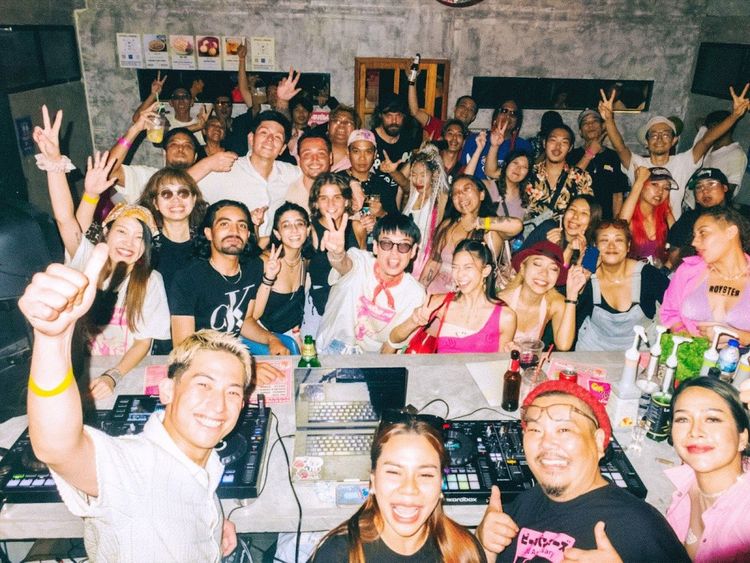
AREA81 Rooftop KARAOKE Bar / Co-working Space -HAVEN-
Bars $$$

9.4
Hotel
AREA81 HIDEOUT Hostel Khaosan
See prices

8.5
Hotel
The Greens Khaosan Bangkok
See prices
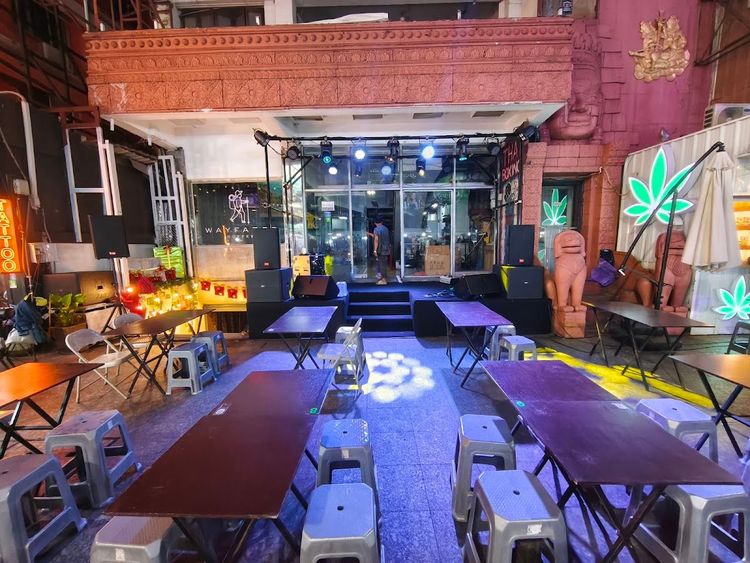
The Gift Khaosan
Clubs $$$
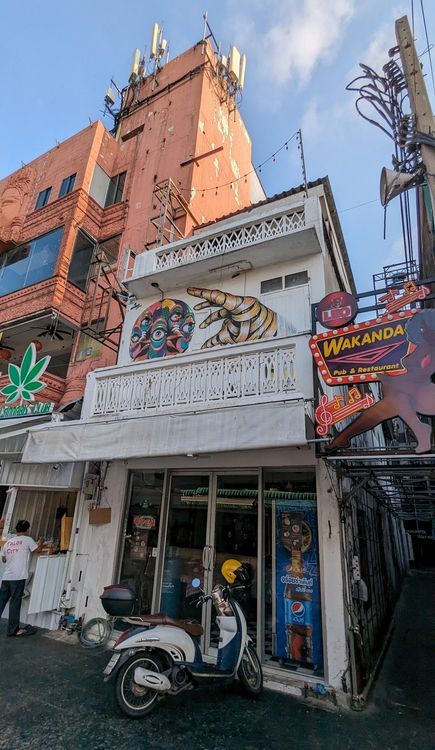
Wakanda club afobeats
Clubs $$$
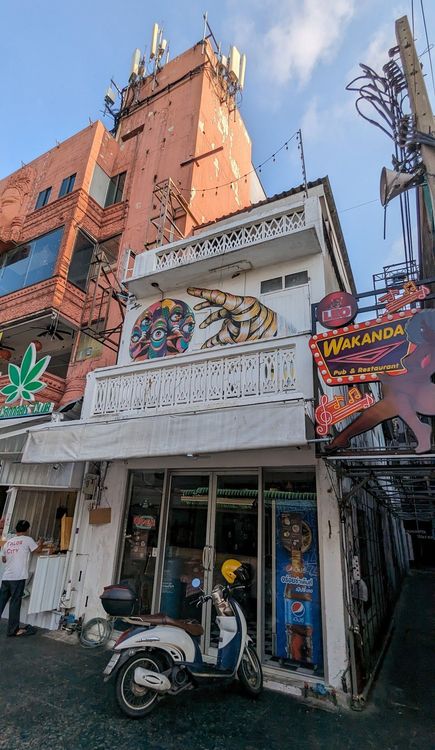
Wakanda Club Afrobeats
Clubs $$$

7.9
Hotel
GO INN Khaosan Road
See prices

Hotel
The Green Old Town Bangkok
See prices

Hotel
The Green Old Town Bangkok
See prices

Hotel
Easy Monday Capsule Hotel Khaosan
See prices

Hotel
Easy Monday Old Town Bangkok
See prices
About Temples in Sing Buri Center
We duck out of the sun and into a cool viharn, fans clacking, incense curling, a drum thudding somewhere behind the bot. This is where the “temples in Sing Buri center” shine: low-key, lived-in, and blissfully short on selfie sticks. We’re not here for spectacle; we’re here for rhythm — monks on bicycles, aunties selling marigolds, the river moving like a lazy khlong at nap time.
## Why the Temples in Sing Buri Center Are Worth Your Time
Sing Buri’s town core hugs the Chao Phraya, a compact grid of sois and market lanes with a handful of wats you can wander between on foot or by a quick tuk-tuk hop. Compared to Ayutthaya’s blockbuster ruins, the temples in Sing Buri center feel intimate and working—more sawadee from locals, fewer farang tour groups. Expect gold-leaf Buddhas, creaky teak sermon halls, shady bodhi trees, and donation tables stacked with lotus buds and incense (20–40 baht gets you a set).
Two heavy-hitters sit just beyond the center but fold perfectly into a day’s loop: Wat Phra Non Chakkrasi Worawihan with its serene reclining Buddha (a short ride west) and Wat Phikun Thong with a huge seated image and amulet devotees (south toward Phrom Buri). Inside town, you’ll find smaller riverside wats and the City Pillar Shrine anchoring the spiritual compass — easy to thread together with snack stops and a river breeze.
### The Vibe
- Slow, friendly, a little sleepy after lunch. Shops nap; dogs do too.
- Monks offer gentle nods; temple cats act like they own the place (they do).
- Bells and gongs punctuate the afternoon. By dusk, the river catches gold.
## Key Spots and How to Do Them
- City Pillar Shrine (San Lak Mueang): Tiny but potent; locals pop in to light incense before markets. Quick, photogenic stop.
- In-town Wats: Follow the river road and slip into any open gate — you’ll find murals, drum towers, and quiet courtyards. If in doubt, ask a vendor for “wat nai mueang” and they’ll point you right.
- Wat Phra Non Chakkrasi Worawihan: A few kilometers out; think reclining Buddha, cool tiles underfoot, and old-school merit-making. Donation-based; open dawn to dusk.
- Wat Phikun Thong: Bigger complex with a towering image; popular with amulet hunters. Also donation-based; open daylight hours.
Tip: Go early for soft light and cooler air; circle back late afternoon when shadows stretch and the brass gongs glow.
## Eating and Drinking Between Wats
We graze like pros. Morning means jok (rice porridge), khao kha moo (braised pork leg), and patongo from the municipal market near the river — 40–60 baht and you’re set. Midday, we chase shade and soup: boat noodles or tom yum, 50–70 baht a bowl. Sing Buri leans riverine, so look for grilled pla chon (snakehead fish) or deep-fried river prawns at simple riverside shacks — 180–350 baht for shareable plates. Need a reset? Duck into any 7-Eleven for that blessed AC blast and a 14–20 baht water.
Nightlife’s mellow. A few cafes stay open for iced lattes and kanom, and there are beer-at-sunset joints overlooking the water. If you’re hunting Khao San–level thump, this isn’t it — and that’s exactly the charm.
## Where to Stay
Base yourself in the center if temple-hopping is your mission. You’ll find simple guesthouses, midrange river-view hotels, and Thai-style resorts with lots of parking. Weeknight walk-ins are usually fine; weekends and holidays see more domestic travelers. Expect 500–900 baht for basic fan/AC rooms, 1,200–1,800 baht for midrange with breakfast. No need to overthink it — pick something central so we can stroll to dinner and catch sunrise bells without a commute.
## Getting There
- From Bangkok: Vans and buses leave Mochit 2 (Northern Bus Terminal) frequently for Sing Buri. Figure 2–3 hours depending on traffic, 120–180 baht. Ask to be dropped near the town center or bus terminal; from there it’s a 5–10 minute tuk-tuk to most wats.
- From Ayutthaya or Lopburi: Regional buses and vans run 60–90 minutes. Easy day trip if you’re temple-surfing the Chao Phraya basin.
- Getting Around Town: Tuk-tuks and motorbike taxis handle short hops (60–120 baht in-town). Songthaews cover set routes for 10–20 baht; confirm direction with a smile and a “bpai nai?” before hopping on. Many sights are walkable in the cool hours.
## Practicalities and Temple Etiquette
- Dress code: Knees and shoulders covered for everyone. Sarongs are your friend.
- Shoes off before entering buildings; avoid stepping on thresholds.
- Photos: Generally fine outside; ask or look for signs inside ordination halls.
- Donations: Most temples are free; a small donation goes a long way. Buy flowers/incense sets on-site.
- Heat and timing: Midday is brutal. Plan a market breakfast, temple loop 8–11 am, siesta, then a golden-hour stroll 4–6 pm.
- Dogs and mozzies: Strays are usually chilled; don’t pet while they’re napping. Bring repellent for dusk.
- Scams: Minimal here. The only “gotcha” is the occasional tuk-tuk over-quote — smile, counter politely, or walk two sois and flag another.
## Is This Neighborhood for You?
Choose the temples in Sing Buri center if you want small-town Thailand without the performance — real merit-making, kind greetings, and enough river breeze to keep you lingering on a bench. Skip it if you need rooftop cocktails and neon; we’ll save that for Bangkok.
We’ll be back at dawn for the bell’s first note and a steaming bowl of jok by the pier — come hungry and curious, and we’ll temple-hop the day away.