Sing Buri’s Temple Belt (Not Ao Nang)
A chilled, river-hugging circuit of standout Sing Buri temples—reclining Buddhas, giant monks, meditation retreats, and Bang Rachan history—plus eats and tips.
54 places within 3km matching filters
Open
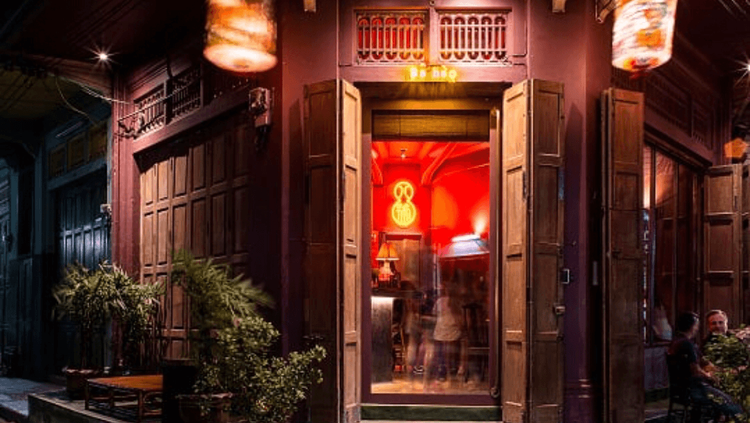
Ba hao 八號
Bars $$$
Open
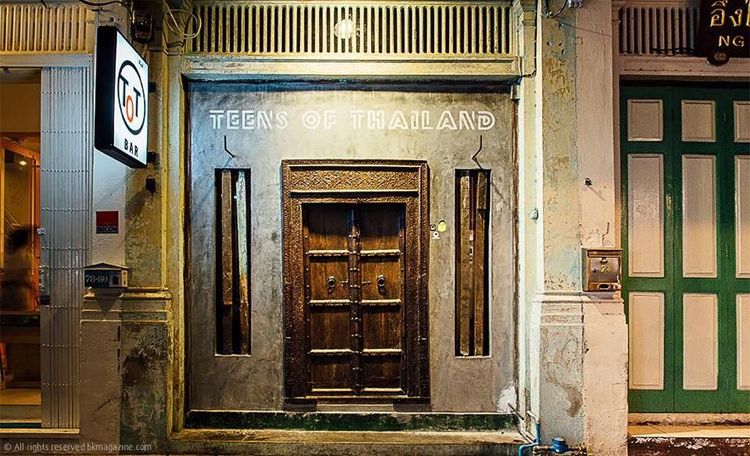
Teens of Thailand
Bars $$$
G.O.D (Genius.On.Dr*gs)
Bars $$$
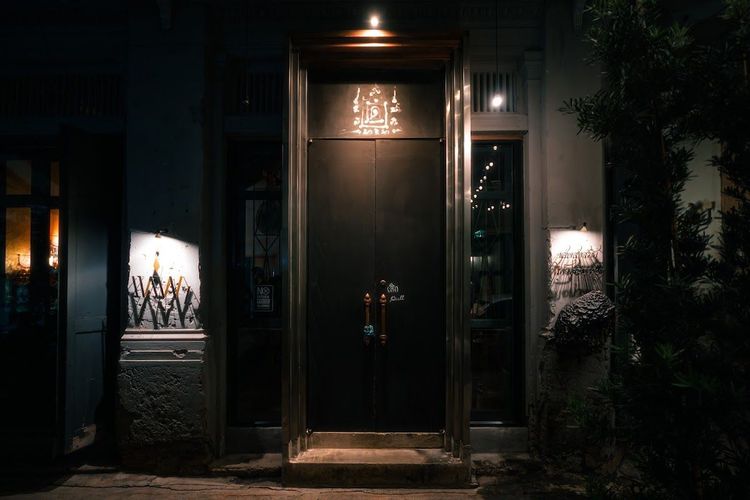
Open
TEP BAR - Cultural Bar of Thailand
Bars $$$
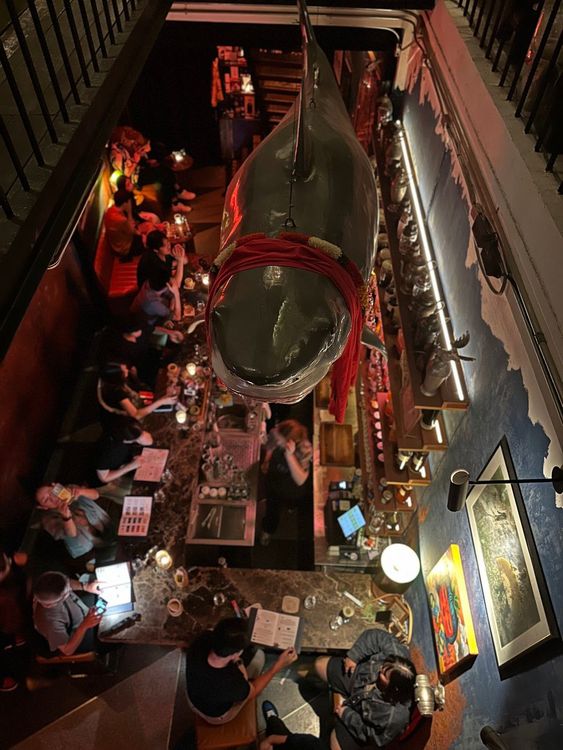
Open
Bar Near Me
Bars $$$
Open
Bar Near Me
Bars $$$
About Sing Buri’s Temple Belt (Not Ao Nang)
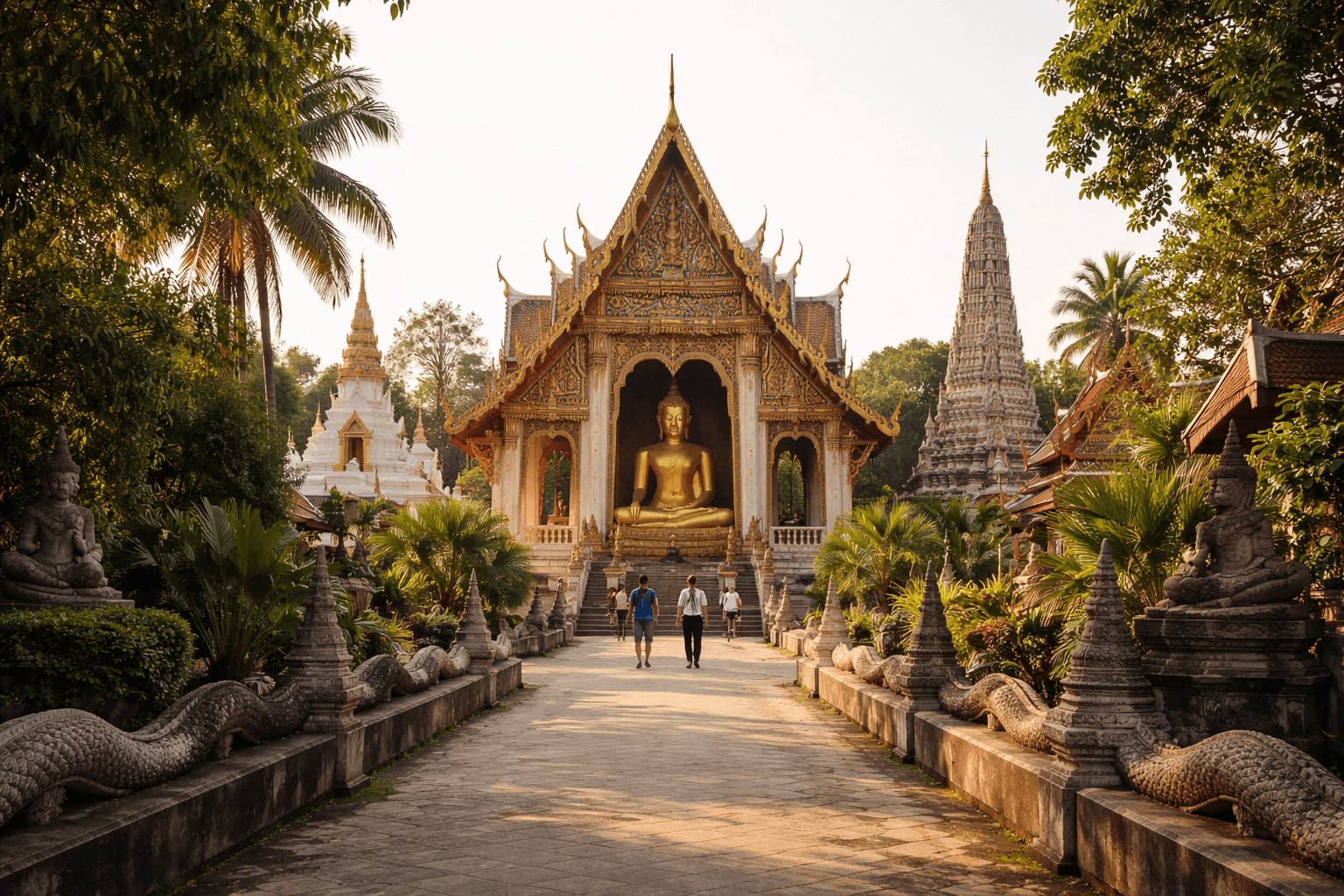
We step off the minivan into Sing Buri’s slow heartbeat—cicadas buzzing, incense pooling in the heat, the Chao Phraya sliding past like a lazy khlong. If you searched for “temples in Ao Nang” while planning a Sing Buri detour, we’re with you; the mix-up is common. Ao Nang is a beach town in Krabi. Here in Sing Buri, a couple hours north of Bangkok, the temple game is old-school Central Plains: reclining Buddhas, giant golden monks, shady bodhi trees, and locals who greet us with a sawadee and a smile.
## Looking for “temples in Ao Nang” in Sing Buri? Start here
Let’s clear the air: there isn’t an Ao Nang in Sing Buri. If “temples in Ao Nang” is what brought us here, we probably want Sing Buri’s temple belt—an easy loop around Mueang Sing Buri, Tha Chang, Prom Buri, and Bang Rachan. Highlights include:
- Wat Phra Non Jaksi Worawihan (massive reclining Buddha and fluttering prayer flags)
- Wat Phikun Thong (the colossal golden monk and intricate murals)
- Wat Ampawan (a beloved meditation center under towering trees)
- Wat Pho Kao Ton and the Bang Rachan Heroes Memorial (history and hero worship side by side)
This cluster delivers all the sanuk of temple-hopping without the crowds. We trade tuk-tuks for songthaews and glossy beach bars for riverside noodle shacks. If “temples in Ao Nang” was the plan, this is where we actually want to be.
## The vibe
Sing Buri is provincial in the best way: no touts, no circus, just everyday Thai life set to the thump of a long-tail’s motor and the crackle of a wok. We pad past bodhi roots and bell towers, slip off our shoes at ordination halls, and cool down in the blast of AC when we duck into 7-Eleven for a 14-baht water. The pace encourages lingering—listening to a monk’s gong roll across the river or watching a granny stir coconut cream for khanom buang. After sundown, a handful of beer gardens set out plastic tables. No rooftop markups, no farang pub crawl, just Leo on ice for 70–100 baht and a grilled snakehead fish we’ll talk about all week.
## Orientation: key areas and landmarks
- Mueang Sing Buri (city center): Hugging the Chao Phraya, this is our base for food courts, markets, and Wat Phra Non Jaksi Worawihan. Streets are flat and walkable, but distances stretch—think bicycles, motorbike taxis, or short rides.
- Tha Chang: South of town, home to Wat Phikun Thong—the giant golden monk you can spot from the highway.
- Prom Buri: Southeast, quieter and green, where Wat Ampawan runs meditation courses and the shade feels a few degrees kinder.
- Bang Rachan: West of the river, a history-soaked pocket where Wat Pho Kao Ton sits near the Bang Rachan Heroes Memorial Park.
Threading these together is Highway 32 (Asia Road), plus smaller rural routes lined with rice paddies and roadside stalls selling iced coffee for 25–40 baht. The whole loop is doable in a day with wheels; two days if we’re not rushing.
## What to see – temples worth the sweat
### Wat Phra Non Jaksi Worawihan (Mueang Sing Buri)
We slip through the gate and straight into incense and soft chanting. Inside the main viharn, a colossal reclining Buddha stretches nearly the length of the hall, his serene gaze floating somewhere between ceiling fans and clouds. Locals press gold leaf onto small statues, and the shuffle of bare feet over cool tiles is strangely meditative.
- Why go: One of Central Thailand’s notable reclining Buddhas; great for photos and a crash course in temple etiquette.
- Practical: Open daily roughly sunrise to sunset; entry by donation (20–50 baht recommended). Dress modestly—shoulders and knees covered. No shoes inside.
### Wat Phikun Thong (Tha Chang)
We see it before we arrive—the gigantic golden monk (Luang Pho Phae) seated above gardens, glinting against a blue-sky sea of rice fields. Around the complex are murals and halls that mix modern devotion with classic Thai ornamentation.
- Why go: That iconic statue is a Sing Buri calling card, and the grounds are spacious and photogenic.
- Practical: Open daily; free to enter, donations welcome. Bring a hat—shade is patchy and the concrete gets hot by midday.
### Wat Ampawan (Prom Buri)
The energy shifts here. Tall trees, birdsong, and a hush that makes us lower our voices without thinking. Wat Ampawan is a meditation center popular with Thais; the late Luang Pu Jarun’s teachings still draw students and weekend retreaters.
- Why go: If we need a reset, this is the place. Even a 20-minute sit on a bench can feel like hitting the mental brakes.
- Practical: Open daily; free; donations appreciated. Retreats are occasionally offered, mostly in Thai. Be respectful—this is an active practice space.
### Wat Pho Kao Ton and Bang Rachan Heroes Memorial (Bang Rachan)
Here the past is close to the surface. Wat Pho Kao Ton is linked with the Bang Rachan warriors who resisted Burmese forces in the 18th century. Next door, the memorial park adds context with statues and dioramas. It’s patriotic, a touch theatrical, and very Thai.
- Why go: A dose of history to balance the spiritual circuit—plus shaded paths and snack stalls.
- Practical: Temple entry is free; the memorial park may charge a small fee (often 10–30 baht). Open daily. Weekends see more local families.
## Eating and drinking around the temples
Temple-hopping in Sing Buri runs on snacks. We point at what looks good and let the vendors steer us.
- Breakfast: Boat noodles (kuai tiao ruea) near markets run 30–50 baht a bowl. Look for bubbling brown broth and someone ladling with rhythmic speed.
- Lunch: Riverside stalls around Mueang Sing Buri do grilled river prawns when in season; otherwise pla pao (salt-crusted fish) with nam jim seafood (120–200 baht) is a win. Som tam sits at 40–60 baht; moo ping skewers are 10–15 baht each.
- Sweets: Coconut pancakes and khanom krok cooked in cast-iron pans—20–30 baht a tray. Follow your nose.
- Coffee & cool-downs: Thai iced coffee (oliang) 25–40 baht, sugar dialed to eleven unless we say “wan noi” (less sweet). The 7-Eleven AC blast is a lifesaver at midday.
- Drinks: Low-key beer gardens and karaoke joints near the river handle sundown. Expect Leo/Singha 70–100 baht, big Chang 120–160 baht. No craft taps, no skyline markup, just ice buckets and clinking glasses.
Tip: Carry small change. Most food stands won’t break a 1,000 easily, and donation boxes at temples prefer coins and 20s.
## Where to stay
We won’t find design hotels or party hostels out here—and honestly, that’s part of the charm. Expect:
- Simple riverside guesthouses and small business hotels in Mueang Sing Buri
- Family-run resorts along the highway between Tha Chang and Prom Buri
- Occasional homestays in Bang Rachan’s greenery
Rooms typically run 500–1,200 baht depending on AC, hot water, and breakfast. If we need English-speaking staff, stick closer to the city center.
## Getting there and around
- From Bangkok: Minivans and big buses to Sing Buri leave the Northern Bus Terminal (Mo Chit 2). Figure 2–3 hours depending on traffic, 100–180 baht per person. From Khao San Road, a Grab to Mo Chit runs roughly 120–220 baht off-peak; a metered taxi is similar.
- Self-drive: Easiest for the temple loop—take Highway 32 (Asia Road). From Bangkok, it’s a straight shot north; from Ayutthaya, continue up the same artery.
- Local moves: Motorbike taxis and tuk-tuks cover short hops (60–120 baht in town). Songthaews (shared trucks) run fixed routes—flag one and confirm the direction with a smile and a “pai…?” Scooters rent for about 250–350 baht/day if you ask at guesthouses; ride defensively and wear a helmet.
Timing: Start early. Hit Wat Phra Non when it’s cool, cruise to Wat Phikun Thong late morning, break for lunch by the river, then slide to Wat Ampawan and Bang Rachan as the sun softens.
## Know before you go
- Dress code: Shoulders and knees covered inside temple halls; no shoes inside. A light sarong solves most issues. Caps off, too.
- Heat is real: April and May are brutal by noon. Hydrate, carry a small towel, and don’t be shy about shade.
- Mosquitoes: Dusk can be bitey—spray before sunset.
- Photography: Okay in most outdoor areas; ask before shooting inside ordination halls or during ceremonies.
- Donations: Most temples are free. Drop 20–50 baht if we linger; merit isn’t expensive.
- Scams: Almost none here. People are friendly. If someone pushes amulets or “special blessings” with big price tags, we smile, wai, and move on.
## Is this neighborhood right for you?
Choose Sing Buri’s temple belt if we want quiet days, meaningful stops, and real-deal Central Thailand without the tour bus stampede. It’s for temple hoppers, history nerds, photographers chasing late-afternoon light on gold leaf, and anyone who likes their noodles cheap and their smiles genuine. If nightlife means bass thumping down Soi Rambuttri, we’ll be happier back in Bangkok. But if we typed “temples in Ao Nang,” then looked up and realized we’re far from the sea—good. We’re exactly where we should be, watching incense smoke ribbon into a mango-sweet afternoon.
When the last bell rings at Wat Phikun Thong and the sky goes apricot over the paddies, we’ll toast with a sweaty bottle of Leo, pocket a few 10-baht coins for tomorrow’s donation boxes, and plan one more lazy loop before heading back to the big city.