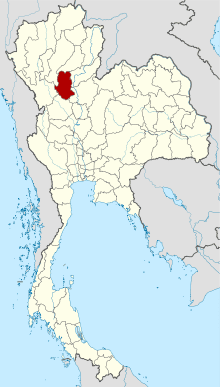

Sukhothai
Sukhothai was the birthplace of the Thai nation — the 13th-century kingdom that gave Thailand its writing system, its art style, and its Theravada Buddhist identity. The Sukhothai Historical Park, a UNESCO World Heritage site, preserves the ruins in a manicured setting of reflecting ponds, ancient chedis, and massive seated Buddhas. Wat Mahathat, the central temple, is the postcard shot; Wat Si Chum, with its enormous Buddha peering through a narrow slit in a mondop, is the unforgettable one. Renting a bicycle is the only way to properly explore the sprawl.
The Si Satchanalai Historical Park, an hour north, is equally impressive and far emptier — its hilltop Wat Khao Phanom Ploeng and the riverside Wat Chang Lom (with its elephant-buttressed chedi) are worth the drive. The Sangkhalok ceramics tradition that flourished here under the Sukhothai kingdom survives in local workshops. The annual Loy Krathong festival in Sukhothai — held in the historical park with traditional costumes and fireworks reflected in the ponds — is widely considered the most beautiful in Thailand. The modern town of New Sukhothai has a good night market and serves as a base.