
What to Pack for Thailand for Monsoon Backpacking: Leaks, Mud, and Fast-Drying Layer Basics
Your Thailand monsoon backpacking packing list—fast-dry layers, real rainproofing, bug defense, and street-smart tips for Bangkok downpours and island squalls.
We’re wedged under a flapping blue tarp on Rambuttri, steam rising off the pavement as a sudden downpour turns the soi into a reflective khlong. The wok hisses, the durian cart perfumes the air with sweet funk, and our sandals squelch with every step. This is where a smart Thailand monsoon backpacking packing list earns its keep—when the sky opens, the gutters surge, and you still want your phone dry, your socks fresh, and your sanuk intact.
Data Freshness + Verification
- Prices are approximate (THB). Last checked: July 2026.
- For venue facts (name, hours, closures, boat/bus schedules), avoid absolutes; give typical ranges and add "confirm same-day locally."
- When citing any price, include neighborhood and, if known, source type (menu, recent visitor, operator site).
Concrete Planning Details
- Mini food crawl near Khao San Road/Phra Athit (3–4 stops):
- Phra Athit Pier (Sunset look-out). Start around 17:45. If rain hits, tuck into Roti Mataba on Phra Athit Road for roti and curry (80–150 THB; menu prices, Phra Athit). 2–3 minutes’ walk.
- Wander to Soi Rambuttri for banana roti carts or iced cha yen (40–70 THB; street price, Banglamphu). 6–8 minutes’ stroll under the trees.
- Tom Yum Goong Banglamphu on Tani Road for a spicy bowl or fried rice (100–180 THB; menu prices, Tani Rd). 8–10 minutes’ walk from Rambuttri.
- If you want a classic pad thai nightcap, Thipsamai on Maha Chai Road is a 20–25 minute walk or a 5–10 minute tuk-tuk (80–140 THB, short hop, Banglamphu). Lines ebb after 21:00; confirm same-day.
- Transit times: Walks are short; in heavy rain, flag a tuk-tuk or hail a metered taxi. Chao Phraya Express Boat typically runs roughly 06:00–19:30 on main lines; orange flag boats stop at Phra Athit Pier—confirm same-day locally, especially after storms.
Booking Suggestions
- If you’re eyeing a stay near Soi Rambuttri or Phra Athit, check availability a day or two ahead during peak downpours—last-minute walk-ins can spike prices.
- For jungle treks (Khao Sok, Khao Yai) in peak monsoon, book a spot with a reputable local guide and ask about leech-heavy trails and rain plan contingencies.
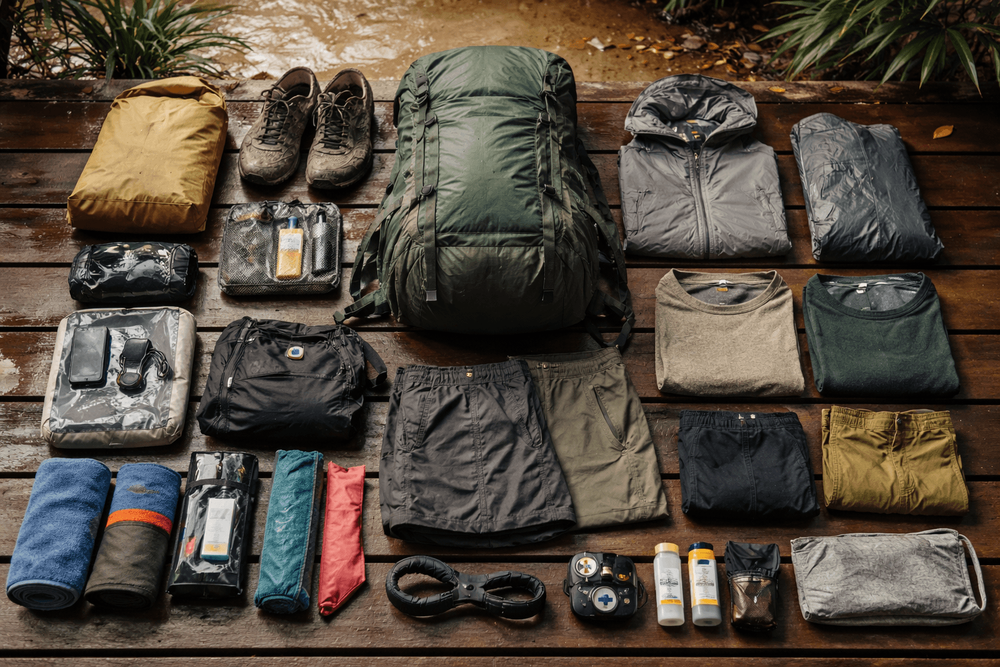
Thailand monsoon backpacking packing list: essential clothing and footwear
We pack light, fast-drying, and changeable. The trick is balancing Bangkok’s soup-like humidity with sudden sky-river dumps.
Quick-dry tops and bottoms
- 2–3 quick-dry T-shirts or airy shirts: synthetic or merino blends that don’t sulk when wet. Cotton stays clammy.
- 1–2 breathable long-sleeve sun/rain shirts: thin, UPF if possible, for temples, buses with Arctic AC, and mosquito hours at dusk.
- 2 pairs of lightweight shorts with deep pockets and a zip: one athletic, one city-casual that can pass at cafes on Phra Athit Road.
- 1 pair of fast-dry pants: ripstop or hiking style that can roll to capri length when puddles get ambitious.
- Optional: sarong/light skirt for temples or beach downtime. Packs to nothing; dries before your iced coffee sweats.
Tip: Bangkok laundries (Banglamphu area) often charge 40–60 THB/kg next-day, 80–120 THB/kg express (shop boards; confirm same-day). With frequent laundry, you only need 4–5 days of clothes.
Footwear that doesn’t drown
- Sandals with tread and a heel strap: think river-ready, not flimsy flip-flops. Great for flooded sidewalks and hostel bathrooms.
- Quick-drain trail shoes or mesh sneakers: for long walks on slick tiles, temple steps, or muddy park trails.
- 3–4 pairs of quick-dry socks: synthetics or merino. Rotate pairs against mildew.
- Cheap rubber flip-flops: backup for showers and sloshed hostel corridors (80–150 THB in Banglamphu, street stalls).
Layers for the plane and the freezer-bus
- 1 ultralight windbreaker or breathable rain jacket doubles as AC armor on VIP buses and the MRT.
- Thin merino or synthetic mid-layer (optional): we rarely wear it outside, but it’s gold on night buses with overenthusiastic AC.
If you love gear rabbit holes, we’ve also put together wet-season-specific lists here: What to Pack for Thailand’s Wet Season: Monsoon-Ready Backpacker Gear for Heavy Rains and Flooded Streets and a focused rainy-day kit: What to Pack for Thailand for Rainy-Day Backpacking: Waterproof Layers, Dry Bags, and Backup Footwear.
Waterproof gear and accessories that actually work
Rain jacket vs poncho vs umbrella
- Breathable rain jacket (8–12k mm rating or better): on the BTS it stuffs away; on a tuk-tuk it blocks spray. Expect 800–2,000 THB for midrange locally (outdoor shops, Siam/Pratunam).
- Long poncho that covers your daypack: brilliant for sudden dumps and scooter rides. 100–250 THB (street stalls, Banglamphu), but upgrade if you’ll be hiking.
- Compact umbrella: sound for city errands, less fun in wind tunnels along Ratchadamnoen Avenue.
We carry a jacket plus a cheap poncho; one sheds, one tents over the pack.
Dry bags and pack covers
- 10–15L roll-top dry bag for daily carry: phone, wallet, camera, passport copy. 150–300 THB for basic PVC (markets); quality brands cost more.
- Packable pack cover: 200–400 THB; keep it elastic and snug.
- Inner liner: contractor-style trash bag or a purpose-made rucksack liner for the big soak. Belt-and-suspenders for Khao Sok downpours.
Phone and cable protection
- Waterproof phone pouch with lanyard: 80–150 THB (stalls around Khao San); test the seal with tissue.
- Zip bags for cables/Power Bank. Add silica gel packets to your electronics pouch to fight the swamp.
The laundry micro-kit
- Travel clothesline (elastic) + a few pegs.
- Tiny bottle of concentrated soap.
- Quick-dry towel: microfiber beats the eternally-damp cotton bath sheet.
For a broader gear sweep, see our monsoon-focused checklist: What to Pack for Thailand for Monsoon Season Backpacking: Dry Bags, Footwear, and Fast-Dry Layers.
Health, hygiene, and insect protection in humid, wet conditions
Mosquito defense without the drama
- DEET (20–30%) or picaridin/icaridin (20%) for dusk and green spaces. Local Soffell is lighter (35–60 THB, 7-Eleven, Banglamphu) but brief.
- Long sleeves and light pants at sunset; fans help—mozzies hate a breeze.
- If you’re heading to forested border regions, talk to a travel clinician about malaria risk; most city/island hubs don’t require prophylaxis. Confirm your route with a pro.
First-aid basics we actually use
- Plasters, blister patches, small roll of sports tape.
- Antiseptic wipes, small tube of antibiotic ointment.
- Loperamide and oral rehydration salts (ORS) for tummy storms.
- Antihistamines for bites/rashes.
- Any personal meds in a waterproof pouch plus digital copies of scripts.
Anti-chafe and foot care
- Anti-chafe balm for thighs/heels; monsoon friction is real.
- Antifungal foot powder or spray; rinse feet nightly and rotate sandals/shoes.
- A small microfiber towel to periodically dry between toes on long, wet days.
Mold, stink, and staying human
- A flat bar of laundry soap or travel-size detergent.
- A tiny atomizer of fabric refresher or a sachet of baking soda.
- Zip pouches to isolate the stink-spiral item until laundry day.
Pack size, laundry cadence, and keeping valuables safe
Backpack size that won’t own you
- 40–50L main pack is our sweet spot for city + jungle. Under 10–12 kg keeps stairs (and flooded curbs) less murderous.
- Daypack 15–20L: must fit a dry bag insert, rain shell, water, and street snacks.
- Budget airlines often allow 7 kg carry-on; dimensions and fees vary—AirAsia and Nok routinely weigh bags on busy routes. If you plan to hop down to Phuket or up to Chiang Mai, pack with this in mind.
Laundry rhythm
- Plan to wash twice a week. Hostel send-out or coin-op machines (Banglamphu and Samsen sois) are common: 30–50 THB wash, 30–60 THB dry (machine prices; confirm same-day). A sarong doubles as a privacy curtain for in-room drying.
Documents and electronics in monsoon country
- Passport strategy: passport stays in a sealed pouch in the deepest, driest layer of your bag; carry a laminated copy and a photo on your phone.
- Cash/cards: split stashes. One small waterproof card sleeve rides in your pocket, a backup in your dry bag.
- Power: Thailand is 220V, 50Hz, with sockets that usually accept flat and round two-pin plugs. A slim universal adapter plus a short power strip makes multi-device charging painless.
- Habit stack: rain threatens? Phone to pouch, bag cover on, jacket accessible, tuk-tuk fare in a zip pocket. You’ll move like a local in five storms.
For a ready-to-pack template you can tweak, peek at our broader backpacker lists here: Backpacker Packing List for Thailand.
Practical monsoon considerations: regions, timing, and what to skip
When does it actually pour?
- Bangkok/Central: Typically May–October, with heaviest bursts August–October. Streets can pond fast; curbs are Olympic-sized.
- Andaman Coast (Phuket, Krabi, Koh Lanta): Roughly May–October; seas can be lumpy and some boat routes pause—ask operators same-day.
- Gulf Islands (Koh Samui, Phangan, Tao): Often driest mid-year and wetter around October–December. Storm cells love to freestyle—stay flexible.
- North/Isan (Chiang Mai, Pai, Isaan provinces): July–September bring lush paddies and muddy trails; waterfalls are spectacular but can close after heavy rain. Confirm locally.
Beach vs rural city packing tweaks
- Beach towns: prioritize sandals with grip, a second swimsuit, and a packable umbrella. Dry bag is non-negotiable for longtail transfers.
- Rural/national parks: add trail shoes with toothy tread, a headlamp, and—if you’ll hit leech-prone jungle—simple leech socks or a small pouch of salt. Guides will advise on trail conditions.
- Big-city Bangkok days: breathable clothes, umbrella or jacket, and an extra shirt in the daypack. You’ll thank yourself when you duck into that icebox 7‑Eleven.
Getting around when the sky breaks
- Chao Phraya Express Boat: Typically first services around 06:00 and tapering by early evening (some routes ~19:30). Orange flag boats stop at Phra Athit; service can adjust in storms—check pier boards and ask staff.
- BTS/MRT: Trains run late into the night (often ~24:00 on weekends for BTS; confirm same-day). Platforms are dry, trains arctic—keep a light layer.
- Buses: Cheap and adventurous; bring patience and a rain layer for open windows.
- Taxis and tuk-tuks: In downpours, metered taxis can be saints; tuk-tuks excel at short hops. Agree a tuk-tuk price upfront (typical 60–140 THB for inner Banglamphu dart-and-dash) and smile—mai pen rai.
What to leave behind (save weight, save sanity)
- Heavy boots unless you’re on a dedicated trekking mission in muddy parks.
- Bulky towels and thick denim—eternal damp.
- Multiple cotton tees that never dry.
- Giant umbrellas and hard cases; go soft, go modular.
- Too many “just in case” outfits. Laundry beats lugging.
The core monsoon kit: our short list
- 40–50L backpack + rain cover + inner liner
- 15–20L daypack + 10–15L dry bag
- Breathable rain jacket + long poncho
- 2–3 quick-dry tees + 1–2 long-sleeve layers
- 2 shorts + 1 fast-dry pants
- Sandals with tread + mesh trail shoes + flip-flops
- 3–4 quick-dry socks + 3–5 underwear
- Microfiber towel + mini laundry kit
- Phone pouch + power bank + universal adapter
- DEET/picaridin + first-aid basics + anti-chafe + foot powder
- Passport copy + waterproof wallet
Pack this, and we can chase boat noodles on Dinso Road in a drizzle, ride the Chao Phraya with spray on our cheeks, and still roll into a Rambuttri bar dry enough to dance. Next storm, meet us under the awning—pad thai’s on, and we’ve got room in the dry bag for your phone.
Related Hotels & Places
Rambuttri
Markets
Khao San’s calmer cousin: a tree‑shaded lane of VW van cocktail bars, open‑air foot massages, pad thai grills, and easygoing live bands. Best from sunset to 11pm; beers 80–120 THB, cocktails 150–220 THB. One block from the chaos, all the charm.
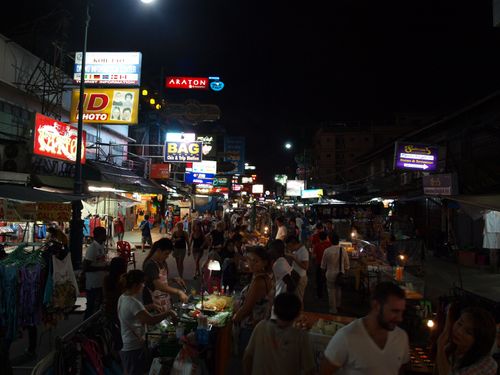
Khao San Road
Attractions
Bangkok’s backpacker carnival: curbside bars, live bands and DJs from 3pm–2am (midnight Sun). Street eats are cheap — pad thai 70–100 THB, mango sticky rice 60–100 THB. Come for wild people-watching; duck into Rambuttri for a calmer beer.
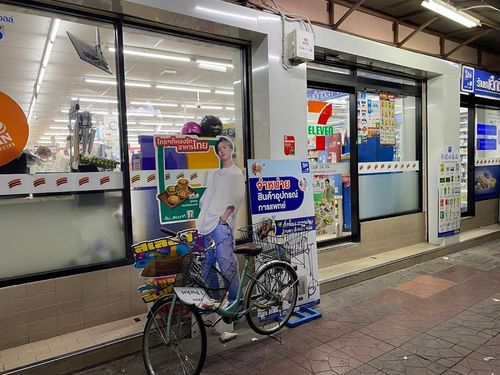
7-Eleven
Shops
Khao San’s 24/7 reset button: ice‑cold A/C, ham‑cheese toasties, All Café iced lattes, water for 7–14 THB, and late‑night supplies from snacks to sunscreen—right by Rikka Inn.
More Khao San Road Guides
- What to Pack for Thailand for Monsoon Season Backpacking: Stormproof, Quick-Dry Essentials
- What to Pack for Thailand for Monsoon Season Backpacking: Dry Bags, Footwear, and Fast-Dry Layers
- What to Pack for Thailand for Rainy Season Backpacking: Quick-Dry Clothing, Dry Bags, and Wet-Day Essentials
- What to Pack for Thailand Backpacking in Monsoon Season: Dry-Weather, Wet-Weather, and Backup Gear