Thailand Visa Runs from Bangkok: A Complete Guide
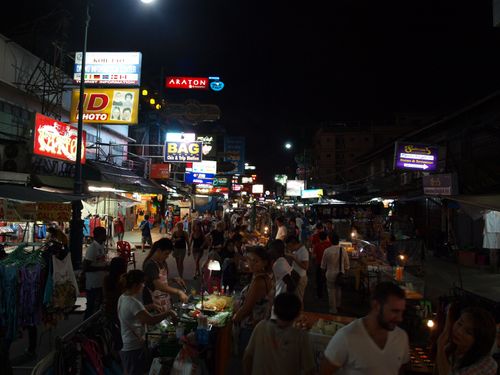
Thailand Visa Runs from Bangkok: A Complete Guide — your insider guide to the best of Khao San Road.
Thailand Visa Runs from Bangkok: A Complete Guide Date: 2026-06-06
Overview A “visa run” is a short trip out of Thailand to reset your permission to stay or to apply for a new Thai visa at a Thai embassy/consulate abroad. Rules change often and are enforced at the discretion of immigration officers. Use this guide to choose the right route, prepare documents, and minimize risk. Always confirm current policy and transport details on official sites before you go.
Key principles for 2026
- Your passport and entry type govern everything. Visa-exempt entries, tourist visas, and other categories each have different conditions and documentation requirements. Confirm your eligibility and current rules with the Thai Immigration Bureau and the Ministry of Foreign Affairs before travel (Verify on official site before travel via Thai Immigration Bureau, https://www.immigration.go.th/ and Ministry of Foreign Affairs, https://www.mfa.go.th/).
- Border-bounce vs visa application. A border-bounce is an exit and re-entry to obtain a new permission to stay (often visa-exempt). A consulate run is traveling to a Thai embassy/consulate outside Thailand to apply for a visa.
- Officer discretion is real. Back-to-back entries, frequent border-bounces, or lack of proof of funds/onward travel can lead to denial of entry, even if you meet formal criteria.
- Consider in-country alternatives. Depending on your status, you may be able to extend your stay or change visa category inside Thailand. Check requirements and availability with Thai Immigration (Verify on official site before travel via Thai Immigration Bureau, https://www.immigration.go.th/).
Common visa-run destinations from Bangkok
- Vientiane, Laos (apply for a Thai visa; or exit/re-enter)
- Why go: Major post that commonly handles Thai tourist visa applications for eligible nationals; straightforward land/air access from Bangkok.
- How to get there:
- Train to Nong Khai, then cross the Thai–Lao Friendship Bridge to Vientiane. Check timetables and fares directly with the State Railway of Thailand; confirm shuttle/bus connections at the border (Verify on official site before travel via State Railway of Thailand, https://www.railway.co.th/).
- Intercity bus Bangkok–Nong Khai and onward local transport (Verify on official site before travel via Transport Co., Ltd., https://www.transport.co.th/).
- Flights Bangkok–Vientiane or Bangkok–Udon Thani plus overland transfer (Verify on official site before travel via Thai Airways, https://www.thaiairways.com/, Thai AirAsia, https://www.airasia.com/, Nok Air, https://www.nokair.com/, VietJet, https://www.vietjetair.com/).
- Thai visa application: Many applicants must use the Thailand e-Visa portal for pre-submission; some posts also use local appointment systems. Review current instructions, required documents, and processing times (Verify on official site before travel via Thailand e-Visa, https://www.thaievisa.go.th/ and Royal Thai Embassy Vientiane, https://vientiane.thaiembassy.org/).
- Entering Laos: Check whether you need a Lao eVisa or visa on arrival and the current fee, documents, and entry points (Verify on official site before travel via Lao eVisa, https://laoevisa.gov.la/).
- Savannakhet, Laos (apply for a Thai visa)
- Why go: Longtime alternative to Vientiane for Thai tourist visa applications; quieter than capital cities.
- How to get there:
- Bus Bangkok–Mukdahan, then cross to Savannakhet (Verify on official site before travel via Transport Co., Ltd., https://www.transport.co.th/).
- Flights to Ubon Ratchathani and onward bus/minivan to Mukdahan (Verify on official site before travel via Thai AirAsia, https://www.airasia.com/, Nok Air, https://www.nokair.com/).
- Thai visa application: Check appointment requirements, processing timeline, and document list (Verify on official site before travel via Royal Thai Consulate-General Savannakhet, https://savannakhet.thaiembassy.org/).
- Penang, Malaysia (apply for a Thai visa)
- Why go: Well-known for processing Thai visas; good flight and rail connections via Malaysia.
- How to get there:
- Flights Bangkok–Penang (direct or via Kuala Lumpur) (Verify on official site before travel via Thai AirAsia, https://www.airasia.com/, Thai Airways, https://www.thaiairways.com/).
- Train or bus combinations via Hat Yai/Butterworth if you prefer overland (Verify on official site before travel via State Railway of Thailand, https://www.railway.co.th/ and KTMB Malaysia Rail, https://www.ktmb.com.my/).
- Thai visa application: Requirements, appointment system, and processing can change; check before booking travel (Verify on official site before travel via Royal Thai Consulate-General Penang, https://penang.thaiembassy.org/).
- Entering Malaysia: Confirm current entry rules and any e-gate eligibility (Verify on official site before travel via Immigration Department of Malaysia, https://www.imi.gov.my/).
- Cambodia routes: Aranyaprathet/Poipet or Ban Laem/Cham Yeam (border-bounce or onward to Phnom Penh)
- Why go: Closest land border from Bangkok for a same-day exit/entry; also an access point for Cambodian onward travel.
- How to get there:
- Buses/minivans Bangkok–Aranyaprathet (Rong Kluea Market) or Bangkok–Trat for Ban Laem (Verify on official site before travel via Transport Co., Ltd., https://www.transport.co.th/).
- Cambodian entry: If you need a Cambodian visa, use the official eVisa or confirm visa-on-arrival availability, fees, and open checkpoints (Verify on official site before travel via Cambodia e-Visa, https://www.evisa.gov.kh/).
- Thai re-entry: Re-entry after a border-bounce is not guaranteed and depends on officer discretion and your travel history (Verify on official site before travel via Thai Immigration Bureau, https://www.immigration.go.th/).
- Myanmar routes: Ranong–Kawthaung and Mae Sot–Myawaddy
- Why go: Historically used for short border trips, but conditions can change quickly.
- Important: Border status, operating hours, and processing can be suspended or restricted with little notice due to security or public health situations. Consider alternative routes unless you have up-to-date, official confirmation of operations (Verify on official site before travel via Thai Immigration Bureau, https://www.immigration.go.th/ and Ministry of Foreign Affairs Thailand, https://www.mfa.go.th/).
Choosing the right option
- If you only need a fresh entry stamp: The nearest practical land border may be Cambodia, but risk of refusal increases with frequent border-bounces. Flights out/in can be viewed more favorably.
- If you need a new tourist visa: Vientiane, Savannakhet, and Penang are common because Thai posts there regularly process visas. Secure an appointment and confirm documents before traveling.
- If you need a different long-stay status: Consider applying for the appropriate category (education, volunteer, work, long-term resident) rather than repeating visa-exempt entries. See official programs and requirements (Verify on official site before travel via Thailand BOI LTR, https://ltr.boi.go.th/ and SMART Visa, https://smart-visa.boi.go.th/).
Documents checklist for a consulate visa run
- Passport with sufficient validity and blank pages.
- Completed application via thaievisa.go.th if required; printed confirmation and appointment slip where applicable (Verify on official site before travel via Thailand e-Visa, https://www.thaievisa.go.th/).
- Passport photos per the post’s specification.
- Proof of funds per the post’s current requirement.
- Onward or return flight reservation.
- Accommodation bookings covering your intended stay in Thailand.
- Supporting letters if applicable (employment, invitation, school, or volunteer documents).
- Local entry documents for the country you’re visiting (eVisa, visa-on-arrival requirements, photos).
- Means of payment accepted by the consulate.
How to plan a smooth consulate run (example timeline)
- 2–3 weeks before: Choose your post (Vientiane, Savannakhet, or Penang are common). Check eligibility, document list, and appointment availability. Pre-submit on thaievisa.go.th if required (Verify on official site before travel via Thailand e-Visa, https://www.thaievisa.go.th/).
- 1–2 weeks before: Book transport and lodging near the consulate. Build in buffer days in case processing extends.
- Day 1: Travel to the destination and finalize document prints, photos, and copies.
- Day 2: Submit your application as instructed by the post.
- Day 3 or as notified: Collect your passport/visa or receive confirmation if it’s an eVisa/e-sticker process.
- Return to Thailand and keep your boarding passes and entry receipts.
Border-bounce basics (if you are not applying for a new visa)
- Evidence to carry: Onward travel reservation, proof of funds, and accommodation details in Thailand.
- Be prepared for questions: Length of stay, purpose, previous entries, and work status.
- Avoid frequent repeats: Multiple consecutive border-bounces raise refusal risk. Officer discretion applies (Verify on official site before travel via Thai Immigration Bureau, https://www.immigration.go.th/).
Transport from Bangkok: how to check and book
- Trains
- Popular for Bangkok–Nong Khai (for Vientiane runs). Confirm current timetables, classes, and availability; book directly (Verify on official site before travel via State Railway of Thailand, https://www.railway.co.th/).
- Government intercity buses
- Bangkok terminals (Mo Chit, Ekkamai, Southern) serve Aranyaprathet, Trat (Ban Laem), Mukdahan (Savannakhet), Mae Sot, Ranong, and more. Check official routes and schedules (Verify on official site before travel via Transport Co., Ltd., https://www.transport.co.th/).
- Flights
- For Vientiane, Penang, Udon Thani, Hat Yai, and Kuala Lumpur connections, search and book directly with airlines (Verify on official site before travel via Thai Airways, https://www.thaiairways.com/, Thai AirAsia, https://www.airasia.com/, Nok Air, https://www.nokair.com/, VietJet, https://www.vietjetair.com/).
- Local border transfers
- Friendship Bridge shuttle buses and local taxis/minivans operate at major checkpoints. Confirm operating hours and any required tickets on official or operator pages, or on-site signage (Verify on official site before travel via local authority/operator pages as posted at the checkpoint).
Policy and paperwork that change often
- Visa-exempt stays, eligible nationalities, length of stay, and land-entry limits can change. Always verify shortly before you travel (Verify on official site before travel via Ministry of Foreign Affairs, https://www.mfa.go.th/ and Thai Immigration Bureau, https://www.immigration.go.th/).
- In-country stay extensions and change-of-visa-category procedures at Bangkok Immigration (Chaeng Watthana) can have appointment requirements, specific documents, and evolving criteria (Verify on official site before travel via Immigration Division 1, https://www.immigration.go.th/).
- Overstay penalties and re-entry ban thresholds are strictly enforced. Do not overstay. If you are already in overstay, resolve it directly with Thai Immigration and avoid international travel plans until cleared (Verify on official site before travel via Thai Immigration Bureau, https://www.immigration.go.th/).
What to expect at the border or consulate
- Dress neatly and be courteous; some consulates enforce dress codes.
- Have printed copies of bookings and confirmations; not all counters accept screenshots.
- Have a plan for weekends and local public holidays; consulates and some checkpoints may have limited or no service on holidays. Check the local holiday calendar of the embassy/consulate (Verify on official site before travel via your chosen Thai embassy/consulate website listed at https://www.mfa.go.th/).
Risk management for 2026
- Build slack time. Do not plan your run on the last day of your permitted stay.
- Book changeable/refundable tickets and lodging in case you need to shift routes or dates.
- Keep proof of income and remote-work compliance if you are a digital professional. Work without the correct authorization can result in denial of entry or penalties.
- If your travel history is complex or you have prior overstays, consult Thai Immigration before planning a border-bounce.
Quick route reference with official check points
- Vientiane, Laos
- Travel: Train to Nong Khai or flights; confirm schedules and prices (Verify on official site before travel via State Railway of Thailand, https://www.railway.co.th/ and Thai AirAsia, https://www.airasia.com/).
- Thai post: Royal Thai Embassy, Vientiane (Verify on official site before travel via https://vientiane.thaiembassy.org/).
- Savannakhet, Laos
- Travel: Bus to Mukdahan, cross to Savannakhet (Verify on official site before travel via Transport Co., Ltd., https://www.transport.co.th/).
- Thai post: Royal Thai Consulate-General, Savannakhet (Verify on official site before travel via https://savannakhet.thaiembassy.org/).
- Penang, Malaysia
- Travel: Direct or via Kuala Lumpur; rail via Butterworth possible (Verify on official site before travel via Thai Airways, https://www.thaiairways.com/, AirAsia, https://www.airasia.com/, KTMB, https://www.ktmb.com.my/).
- Thai post: Royal Thai Consulate-General, Penang (Verify on official site before travel via https://penang.thaiembassy.org/).
- Cambodia borders (Aranyaprathet/Poipet, Ban Laem/Cham Yeam)
- Travel: Buses/minivans from Bangkok terminals (Verify on official site before travel via Transport Co., Ltd., https://www.transport.co.th/).
- Cambodia eVisa and checkpoint status (Verify on official site before travel via https://www.evisa.gov.kh/).
- Myanmar borders (Ranong–Kawthaung, Mae Sot–Myawaddy)
- Highly variable; confirm current status and safety advisories (Verify on official site before travel via Thai Immigration Bureau, https://www.immigration.go.th/ and Ministry of Foreign Affairs, https://www.mfa.go.th/).
Frequently asked questions
- Can I guarantee re-entry on a border-bounce? No. Entry is always at the discretion of the immigration officer.
- Is it safer to fly out and back than to use a land border? Flying does not guarantee entry, but frequent travelers report fewer issues than repeated land border-bounces. You must still meet all entry requirements.
- How long does a consulate need to issue a visa? Processing varies by post and your nationality. Check the specific post’s current timeline and appointment system (Verify on official site before travel via your chosen Thai embassy/consulate site on https://www.mfa.go.th/).
- Can I extend my stay inside Thailand instead of a visa run? In many cases, yes, but eligibility, documents, and fees vary. Check with Thai Immigration (Verify on official site before travel via Thai Immigration Bureau, https://www.immigration.go.th/).
Bottom line A successful visa run from Bangkok comes down to three things: choosing the right route for your goal, preparing complete documentation in advance, and verifying the latest rules and schedules on official sites right before you go. If you find yourself planning repeated border-bounces, step back and explore a visa category that matches your real plans in Thailand.