
Backpacker Packing List for Thailand for First-Time Travelers: The Essential Starter Kit Only
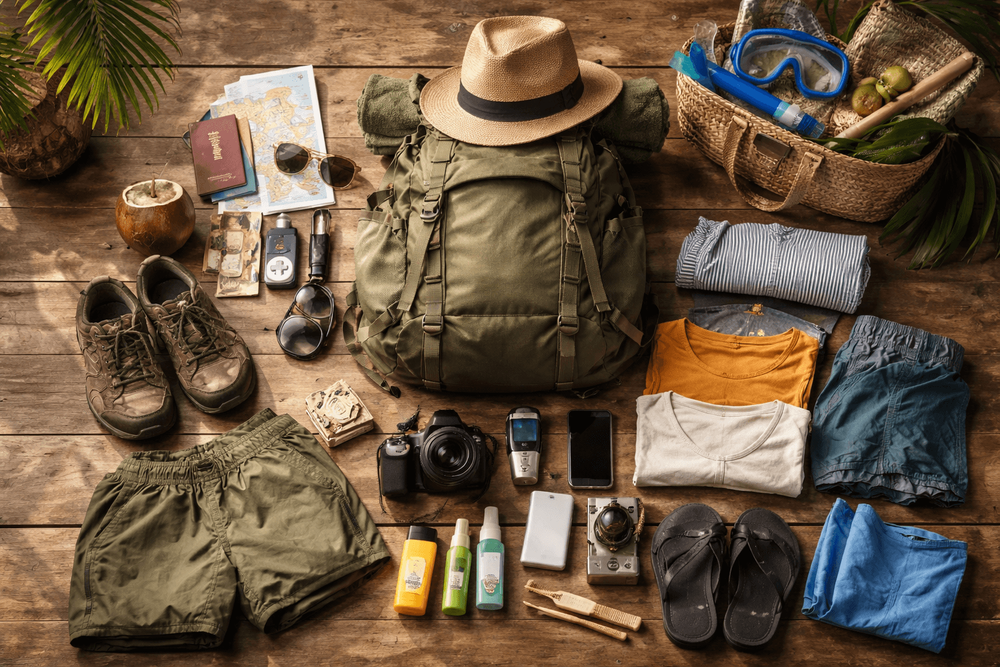
Pack light, stay cool, and be temple-ready. Our Thailand starter packing list covers essentials only—what to bring, what to buy there, and street-smart tips.
We step out of the taxi on Rambuttri and the night air hits like a sauna—chili smoke from a wok, a whiff of durian rolling off a cart, a tuk-tuk driver doing his best “Where you go?” over the thump from a Khao San Road. This is where your Thailand starter packing list proves itself. If we’ve packed smart, we’re light on our feet, temple-ready by day, beach-ready by tomorrow, and not sweating the small stuff (well, not more than everyone else).
We built this guide for first-timers who want the essentials—no dead weight, no gimmicks. We’ll show you what works in Bangkok heat, on island ferries, in temple courtyards, and on overnight trains—all with prices in baht, street-level tips, and the kind of details you only learn after a few loops around the khlongs.
If you want a deeper dive after this starter kit, keep this handy add-on in your back pocket: What to Pack for Thailand as a First-Time Backpacker: The Essential Gear Checklist.
Your Thailand starter packing list: clothing and footwear that work everywhere
Bangkok will make you rethink fabric. We’re packing light, quick-dry, and versatile—enough to rotate through laundry without smelling like last night’s pad krapao on the BTS.
Essentials (aim for carry-on):
- 3–4 quick-dry t-shirts or tanks (light colors handle sun better)
- 1–2 breathable long-sleeve shirts (sun and temple coverage; linen or thin cotton)
- 2 pairs lightweight shorts (above-the-knee is fine for city; not for temples)
- 1 pair breathable long pants (linen, light cotton, or hiking pants that don’t scream “farang on safari”)
- 1–2 light dresses or skirts (knee-length for temple days)
- 5–7 pairs underwear (quick-dry if possible)
- 3 pairs light socks
- 1 swimsuit (2 if you’re island hopping)
- 1 sarong or large scarf (temple cover-up, beach blanket, emergency towel)
- 1 thin rain jacket or compact travel umbrella (rain can come hard and fast)
Footwear:
- Breathable walking sneakers or trail runners (for city miles and light hikes)
- Lightweight sandals you can rinse (markets, beach, hostel showers)
- Flip-flops are everywhere for 100–200 baht if you need them
Temple etiquette is simple: cover shoulders and knees. We keep a scarf/sarong in the daypack and wear long pants or a knee-length skirt on temple mornings. Some sites rent cover-ups, but they’re not always comfy—and it’s easy to handle yourself.
Laundry is cheap and fast: expect about 40–60 baht per kilogram at local laundries near guesthouses, with same-day or next-day service if you drop off early. That means we don’t need more than a week of clothes. If you’re sprinting through Thailand with just a small bag, check our compact tips here: Thailand Packing List for Backpackers on a Short Trip: 3 to 7 Day Carry-On Checklist.
Hacks we actually use:
- Dark tee + light pants = temple-ready and sun-smart
- Zip-off pants if you must, but airy linen or tech-travel pants look better in cafes on Phra Athit Road
- Pack a tiny bottle of detergent; a sink wash keeps you rolling between laundries
Beach and islands
- Rash guard or long-sleeve swim top if you burn easily
- Reef-safe sunscreen from home (cheaper and better selection than tourist strips)
- Dry bag (5–10L) for longtail rides—spray happens
Nightlife and AC caves
- One “nice” outfit that breathes—rooftop drinks on Sukhumvit can blast AC like a polar vortex
- Light sweater or shawl for buses and overzealous mall air-con
Travel documents, cash, cards, insurance, visas, and backups
Nothing kills sanuk like admin problems. We sort this before we leave and keep digital backups in the cloud.
Bring:
- Passport with at least 6 months’ validity beyond your return date
- Flight details and proof of onward travel (sometimes requested at check-in or immigration)
- Travel insurance with medical coverage (screenshot the policy and claim number)
- 2–4 passport photos (handy for sim cards, permits, or backup ID needs)
- Driver’s license and International Driving Permit if you plan to rent a scooter up in Pai or on Koh Lanta
- Copies of everything: printed + saved offline (phone + email + cloud folder)
Money setup that works in Thailand:
- Debit card(s) for cash withdrawals; expect ATM fees around 220–250 baht per withdrawal across most banks
- A low-fee travel credit card for bigger purchases and emergencies
- A little starter cash in baht for arrival (or change a small amount at the airport, then more in the city where rates are better)
- A small stash of USD/EUR as backup
We carry a mix: one card in the daypack, one hidden in the main bag, plus a few hundred baht in small notes for boats, street food, and motorbike taxis. Cash talks for markets and mom-and-pop shops; cards are fine in malls and bigger restaurants.
Visa notes change by nationality and season. Many travelers enter visa-exempt for short stays; others need an e-visa or visa-on-arrival. Check your country’s official guidance before you fly, and keep your accommodation address handy for arrival forms. Thailand occasionally asks for proof of onward travel—have a screenshot ready.
Health, hygiene, and sun protection: what’s worth packing vs. buying here
You can buy most of your toiletries in 7‑Eleven, Boots, and Watsons—often for less than back home. That said, a few things are worth bringing.
Bring from home:
- Reef-safe sunscreen (Thai options exist, but imported brands can run 250–450 baht for small bottles)
- Your preferred deodorant (choices vary and may be smaller sizes)
- Meds you actually use: antihistamines, motion-sickness tablets, any prescriptions in original packaging
- A basic first-aid kit: plasters, antiseptic wipes, small roll of gauze, tweezers
- Oral rehydration salts (10–20 baht per packet locally if you run out)
- DEET-based insect repellent (20–30% works well; local bottles are ~70–150 baht)
- Hand sanitizer and a small pack of tissues (temple and market bathrooms can be tissue-free)
Buy here if you want to travel ultra-light:
- Shampoo, conditioner, body wash (refill pouches common; easy to top up at 7‑Eleven)
- Razor and shaving cream
- After-sun gel (aloe is easy to find)
On sun and heat: Thailand’s UV laughs at bravado. We use long sleeves or a light scarf midday, hydrate like it’s our job, and take advantage of that glorious 7‑Eleven AC blast when needed. Electrolyte drinks are everywhere; when we’ve overcooked ourselves on a temple crawl to the Golden Mount, we grab a cool bottle and reset.
If you’re aiming to buy most toiletries on arrival, this lean list helps: What to Pack for Thailand for Budget Backpackers Who Buy Toiletries Locally: The Lightweight Starter Kit.
Electronics, adapters, chargers, power banks, and useful apps
We keep the tech simple—reliable phone, power on the go, and the right plugs.
- Unlocked smartphone (for a local SIM or eSIM)
- Charging cables + a compact USB charger (2–4 ports)
- Power bank 10,000–20,000 mAh (boats and buses don’t always have outlets)
- Universal plug adapter (Thailand is 220V, 50Hz; most sockets accept flat Type A and round Type C prongs—an all-in-one adapter covers you)
- Lightweight e-reader or tablet if you’re a long-bus reader
- Tiny headlamp or keychain light (helpful for night trains or beach bungalows)
SIM cards: You can grab a tourist SIM at the airport or any AIS/True/DTAC shop around town. Packages commonly run ~150–599 baht depending on days and data. We’ve also used eSIMs to skip the queue—just make sure your phone supports it.
Offline is your friend: Download Google Maps areas and a translation pack before you fly. Screenshots of booking confirmations and directions save stress when the signal dips or the taxi meter plays coy.
Apps we actually use:
- Grab or Bolt for rides (set pickup on the map to dodge miscommunications)
- Google Maps for transit and walking, plus saved lists of spots to try
- A currency converter and your banking apps with travel alerts on
- Google Translate (Thai script is beautiful—and impossible to guess at first try)
Power bank tip: airlines want these in carry-on, not checked baggage. We keep ours handy for long-tail detours and BTS marathons.
If you’ll be out for months, consider reusable setups and a sturdier laundry kit: Thailand Packing List for Backpackers on a Long-Term Trip: Reusable Gear, Laundry Setup, and Durable Basics.
Helpful extras for first-time visitors: day bag essentials and packing tips
The little things turn chaos into comfort. Our day bag looks like this:
- 15–20L daypack or sling (zips to the body; keep it in front in crowds)
- Reusable water bottle (many guesthouses have filtered dispensers)
- Sarong or light scarf (temple coverage, sun shield, beach blanket)
- Small microfiber towel
- Compact umbrella or packable rain jacket (May–Oct can unload)
- Dry bag for island days and Songkran season
- Earplugs + eye mask (Khao San’s bass doesn’t care about your bedtime)
- Tiny roll of duct tape and a few zip ties (fix anything)
- Padlock for lockers and guesthouse storage
- Pen for forms; tissues and a little sanitizer
- A snack stash: banana chips, nuts—resets hanger before we end up with mystery meat skewers
Packing style tips:
- Go neutral and interchangeable. If everything mixes, you never hit a dead-end outfit.
- Stuff sacks or packing cubes tame the chaos and make dawn bus-packing less feral.
- Skip heavy jeans. They never dry in humid season and feel like wearing a wet dog.
- Expect to buy a few things here: a breezy shirt on Soi Rambuttri, a hat from Chatuchak, flip-flops when yours vanish on the beach.
Budget notes we live by:
- Local laundry: 40–60 baht/kg, express more
- Sunscreen: 250–450 baht for popular brands
- Tourist SIM: ~150–599 baht depending on plan
- Motorbike taxis for short hops: usually 20–50 baht—ask the price before hopping on
Want a broader list of what’s truly essential vs. what you can buy on arrival? Read this companion guide: Thailand Backpacker Packing List for First-Time Visitors: Essentials, Don’ts, and What You Can Easily Buy There.
Know before you go: etiquette, scams, and smooth arrivals
- Dress and respect: Temples want shoulders and knees covered. Shoes off at the threshold; watch for the pile of flip-flops as your cue.
- Monks: Don’t touch or sit too close—especially as a woman—and give up your seat on the bus or boat when needed.
- Taxis and tuk-tuks: In metered taxis, insist on the meter or switch cars. Tuk-tuks are flat-fee; agree upfront. For a short inner-city hop, we usually aim for something in the 60–120 baht range depending on traffic and our haggling mood.
- E-cigarettes are illegal in Thailand; don’t pack or use them. Keep meds in original packaging and check rules for anything controlled.
- Shoes on/feet etiquette: Feet are considered low/unclean. Don’t point your soles at people or Buddha images, and don’t step on threshold sills.
- Night buses and trains: Pack a sweater. AC can be arctic, and blankets sometimes feel like they’ve seen a few lifetimes on the Southern Line.
- Cash flow: ATMs add fees (usually 220–250 baht); withdraw a sensible amount and stash it. Keep small notes for canal boats and street food.
- Arrival game plan: Screenshots of your guesthouse address in Thai make check-in smooth—even drivers who know the soi appreciate it.
We pack to move, not to lug. Keep it lean, leave space for a market find or two, and trust that Thailand’s got your back when you need a refill. When in doubt, we’ll be on the corner of Soi Rambuttri and Chakrabongse Villas at sunset, sticky rice in hand, ready to compare sarong patterns and plan the next ferry.
Related Hotels & Places
Rambuttri
Markets
Khao San’s calmer cousin: a tree‑shaded lane of VW van cocktail bars, open‑air foot massages, pad thai grills, and easygoing live bands. Best from sunset to 11pm; beers 80–120 THB, cocktails 150–220 THB. One block from the chaos, all the charm.
Khao San Road
Attractions
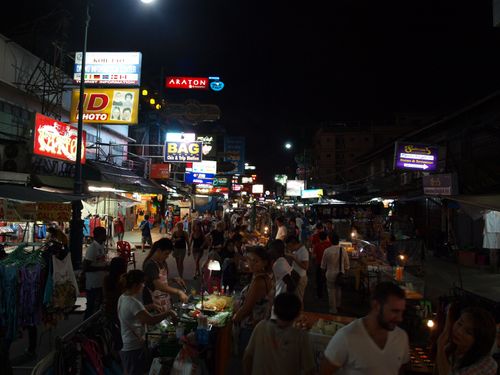
Bangkok’s backpacker carnival: curbside bars, live bands and DJs from 3pm–2am (midnight Sun). Street eats are cheap — pad thai 70–100 THB, mango sticky rice 60–100 THB. Come for wild people-watching; duck into Rambuttri for a calmer beer.
Khaosan Bar Ayutthaya
Bars
Chakrabongse Villas
Hotels
A 5-star hotel in Bangkok.
More Khao San Road Guides
- What to Pack for Thailand for First-Time Backpackers: The Starter Kit for a Smooth First Trip
- Backpacker Packing List for Thailand for First-Time Visitors: Essentials, Mistakes to Avoid, and What You Can Buy There
- What to Pack for Thailand as a First-Time Backpacker: The Essential Gear Checklist
- What to Pack for Thailand for First-Time Backpackers: The Essential Starter Checklist