
What to Pack for Thailand for Gaps Between Islands and Cities: Versatile Clothing, Storage, and Transition Gear
Your beach-to-temple Thailand multi-stop packing list: breathable layers, dry bags, docs, adapters, laundry hacks, and day-bag essentials that actually work.
We step off the air-con bus into Bangkok’s soup-thick heat and the sunglasses fog instantly. Two days ago we were barefoot on Koh Lanta sand; tomorrow we’re temple-hopping near the Golden Mount. This is the dance of a Thailand multi-stop trip: ferries at dawn, minivans at lunch, a rooftop beer by dusk. To keep it all sanuk (fun) and not a sweaty rummage through a bursting backpack, we rely on a tight, versatile kit. Thailand multi stop packing list is what we actually carry when we bounce between islands, cities, and cooler northern hills.
Data Freshness + Verification
- Prices are approximate (THB). Last checked: July 2026.
- For venue facts (name, hours, closures, boat/bus schedules), avoid absolutes; give typical ranges and add "confirm same-day locally."
- When citing any price, include neighborhood and, if known, source type (menu, recent visitor, operator site).
Concrete Planning Details
- Mini Khao San Road/Phra Athit food crawl (easy walk):
- Sunset at Santichaiprakan Park by Phra Sumen Fort (free; 10–20 minutes river breeze).
- Roti Mataba on Phra Athit Road for roti and massaman (≈80–150 THB per dish, Banglamphu, menu prices; open day–evening; confirm same-day). 2–3 minutes walk.
- Soi Rambuttri banana pancake cart for dessert (≈40–70 THB, Banglamphu, street cart; evenings). 5 minutes walk.
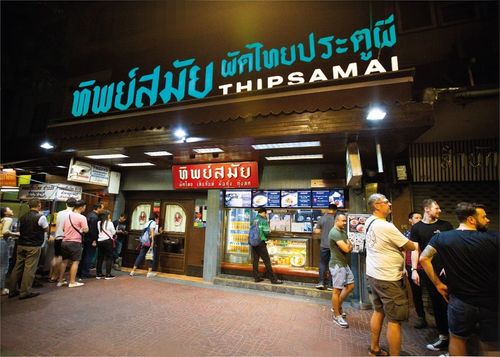
- Drinks at Madame Musur on Soi Rambuttri (≈140–220 THB cocktails, Banglamphu, menu prices; open late; check live music nights). 2 minutes walk. Optional tuk-tuk hop (5–10 minutes, 60–120 THB, Banglamphu) to Thipsamai Padthai Pratoopee near Maha Chai Road (opens evenings–late; queues; confirm hours).
- Transit notes near Khao San: Phra Arthit Pier (N13) for Chao Phraya Princess Cruise Office (typical 6:00–19:00 for local/flagged boats; 16–30 THB; confirm pier board). Taxis and tuk-tuks common; always agree fare before riding a tuk-tuk.
Booking Suggestions (if relevant)
- For Old Town nights and early ferry buses, we like to base near Phra Athit Pier so the river boat is a short stroll. Check availability early in high season (Nov–Feb) and again a day or two out if your dates are flexible.
- Heading north? Consider places walking distance to the train or bus station the night before departure; it saves a dawn scramble and a tuk-tuk fare.
The Thailand Multi Stop Packing List: What We Actually Use
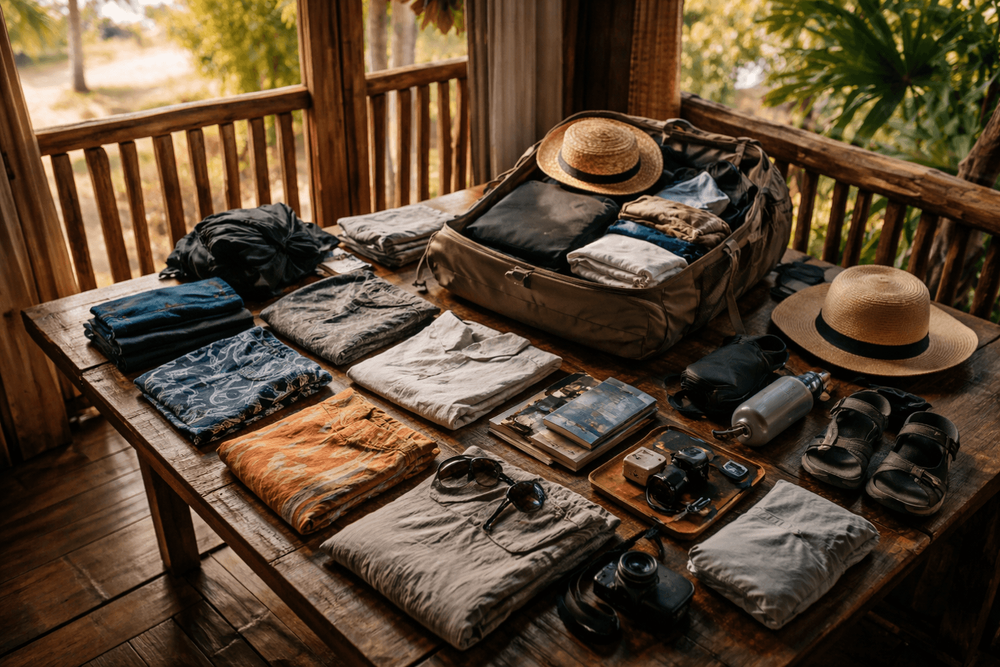
Clothing that flips from beaches to temples to night buses
- 4–5 breathable tops: quick-dry tees/tanks or linen-cotton blends. Darker colors hide those inevitable sweat patches from Khao San to Siam.
- 2 pairs shorts (one city-appropriate): longer, tailored shorts for Bangkok malls/sky bars; athletic or board shorts for islands.
- 1–2 lightweight long-sleeve shirts: for temples, sun, and the Arctic blast of intercity buses.
- 1 pair long trousers: quick-dry or linen. Necessary for temple days and cooler northern evenings in Chiang Mai/Pai (Dec–Feb can get nippy).
- 1 light dress or skirt (knee-length+): adds temple-ready modesty and packs tiny.
- 1 sarong or oversized scarf: temple cover-up, beach blanket, night-bus blanket, improvised privacy screen in mixed dorms.
- 5–7 underwear + 3 pairs socks: wash as you go; laundry is cheap and everywhere.
- Swimwear: 1–2 sets. Add a rash guard if you burn easily or plan long snorkel days.
- Packable rain layer: a thin rain jacket or reusable poncho. Monsoon squalls hit fast, and Bangkok sidewalks love to hide ankle-deep puddles.
- Light sweater or hoodie: for AC that could hang meat on buses, planes, and cinemas.
Pro tip: We wear our heaviest items on transfer days (long pants + long-sleeve) to dodge budget airline weight limits and stay warm in transit.
Footwear that earns its space
- Sandals with proper tread: think temple stairs, wet ferry piers, and slick khlong-side paths.
- Lightweight sneakers: for city mileage and scooter scrapes. If you’re hiking Doi Inthanon or Mae Hong Son, choose trail-capable shoes.
- Flip-flops: hostel showers, beach runs, and quick dashes to 7-Eleven for that lifesaving blast of AC and a 14 THB water.
Toiletries that play nice with the climate
- Travel-size everything; refill locally. Thailand’s pharmacies and 7-Eleven shelves are a wonderland.
- Reef-safe sunscreen (SPF 30–50): pricier on islands; stock up in Bangkok if you can.
- After-sun aloe gel: gel beats lotion in humidity.
- Deodorant, wet wipes, talc or body powder: your best friends when the mercury slaps.
- Small microfiber towel: dries fast between ferry hops.
Weather, Season, and Regional Realities to Pack For
Thailand’s climate is a mood ring. We pack for three realities at once: heat, rain, and AC.
- Central & Bangkok: Hot most of the year; April is a furnace. Expect 30–36°C daytime. Sudden showers May–Oct; streets steam after.
- Islands (Andaman vs. Gulf): Monsoon alternates. West coast (Phuket/Krabi/Lanta) gets heavier rain May–Oct; Gulf (Samui/Pha-Ngan/Tao) sees more rain Oct–Jan. Ferries still run but can be choppy. Bring a dry bag.
- North (Chiang Mai/Pai): Cooler nights Nov–Feb; a light jacket and pants help. Late Feb–Apr can bring smoky skies from agricultural burning; a light mask (N95) is handy if you’re sensitive.
- AC reality: Night buses, minivans, and malls run polar. A long sleeve, socks, and your sarong/hoodie prevent popsicle mode.
Documents, Money, Electronics, Health, and Safety
Travel documents and admin
- Passport + spare photos: useful for SIM registration, bike rentals, and the odd guesthouse.
- Visa/entry paperwork: rules shift; check your nationality’s allowance and extensions. Carry digital and paper copies.
- International driving permit if you plan to scooter; real checks happen near beach towns and in Chiang Mai.
- Insurance details: screenshots + hotline numbers offline.
- Border crossings: If you’re hopping to Laos/Cambodia/Myanmar, keep 2–4 passport photos and small USD/THB bills. See our focused doc-and-gear rundown in What to Pack for Thailand for Border Crossings and Multiple Entry Days: Documents, Photos, and Small-Format Travel Gear (/articles/thailand-border-crossing-packing-list-documents-photos-gear).
For a deeper checklist of meds, toiletries, and documents, we cross-reference Smart Packing for Thailand: Medications, Toiletries, and Travel Documents Checklist (/articles/thailand-travel-checklist-medications-toiletries-documents).
Money and payments
- ATMs are everywhere; fees around 200–250 THB per withdrawal are common. Pull bigger amounts less often and use a fee-free card if you have one.
- Cash still rules at markets, ferries, and tiny noodle shops. Keep a small front-pocket pouch with 20s, 50s, and coins for boats and buses.
- City vs. island prices: expect a 10–30% island mark-up on basics like water, sunscreen, and beach snacks.
SIMs, power, and staying connected
- eSIMs save airport hassle; physical SIMs at airport kiosks usually cost 150–299 THB for 7–10 days of data (Bangkok, operator stand; confirm current promos). Top-ups at 7-Eleven.
- Plugs: Thailand runs 220V, 50Hz. Most sockets accept two flat (Type A) or two round (Type C) pins. A slim universal adapter and a short 3-outlet power strip tame the tangle.
- Cables: bring spares; tropical sweat and tuk-tuk rides are hard on connectors.
Health and small safety kit
- DEET or picaridin repellent: dusk is mozzie primetime, especially near khlongs (canals) and mangroves.
- Small first-aid: plasters, antiseptic, painkillers, antihistamines, rehydration salts, and motion-sickness tabs for ferries.
- Hand gel + pocket tissues: many restrooms are BYO tissue.
- Compact headlamp or keychain torch: night ferries, beach paths, and power flickers.
Luggage Strategy: Bags, Cubes, Laundry, Space Savers
Pick the right bag for transfers
- Main bag: 35–45L backpack or soft duffel with backpack straps. It slips under bus luggage, fits hostel lockers, and shrugs off a wet pier.
- Daypack: 15–20L with a top handle. This is your temple bag, boat bag, market bag, and emergency pillow.
- Dry bag or waterproof liner: even a 5–10L roll-top saves your phone and passport when the longtail noses into chop.
Flying on low-cost carriers between stops? We skim this before we book: Thailand Backpacker Packing List for Budget Airlines and Weight-Limit Fees (/articles/thailand-baggage-allowance-packing).
Pack smarter, not heavier
- Packing cubes: sort by activity (beach, city, sleep). One compression cube for bulky items.
- Laundry rhythm: We drop at Banglamphu laundries for 30–50 THB/kg (signboard prices; confirm same-day turnaround). Self-service machines run 40–60 THB a load. Many places finish within 24 hours.
- Soap leaves or travel detergent: do underwear in the sink; most rooms have a balcony rail—your sarong doubles as a privacy screen.
- Toiletry staging: decant to 50–100 ml bottles. Refill from big bottles bought in Bangkok (cheaper than islands).
- Roll method: roll soft items, fold structured items. Keep a tiny sachet of silica gel in electronics pouch.
Day-bag essentials for every stop
- Phone, power bank (10,000–20,000 mAh), cable.
- Refillable bottle (see water note below), sunscreen, sunglasses.
- Sarong/scarf, light rain layer, mini first-aid, tissues.
- Temple-ready items (shoulders/knees cover), small lock for hostel lockers.
Dial in your personal loadout with Thailand Packing List for Backpackers: Day Bag Essentials for Flights, Temples, and Tours (/articles/thailand-day-bag-packing-list).
Thailand-Specific Extras You’ll Be Glad You Brought
- Temple kit: knee-length bottoms, shoulders covered; a light scarf or sarong is your get-in-free card for most wats. Shoes off at the door, so wear slip-ons.
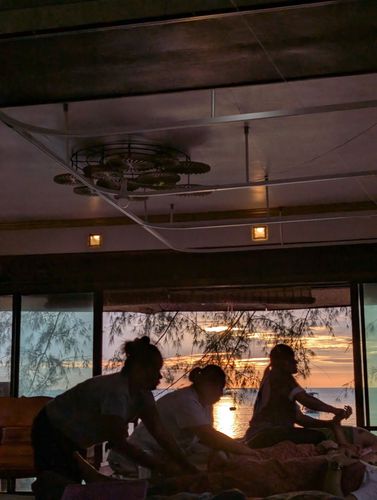
- Footwear etiquette: sandals that slide off fast save time at Watergate Spa & Massage, the Golden Mount, and every cafe with a no-shoes sign.
- Water strategy: many hostels/hotels provide refill stations; street machines often charge 1 THB per liter (Bangkok neighborhoods vary). A wide-mouth bottle + short strap clips to your daypack.
- Sun armor: brimmed cap, buff, or sun sleeves for scooters and ferries.
- Insect protection: repellent, after-bite pen, and a light long-sleeve for jungle evenings.
- Boat-life add-ons: dry bag, phone lanyard, and a Ziploc for tickets. Ferries stack bags on wet decks—line your pack with a trash bag if you forgot a liner.
- Snacks that survive: nuts, seaweed packs, dried fruit. Saves you from buying a Pringles tube at island prices.
- Tiny combo lock + short cable: in older guesthouses, you can loop your bag to a bedframe.
- Cooling towel or pocket fan: silly until the minute it isn’t, somewhere on Soi Rambuttri at 2 p.m.
Know Before You Go: Transfers, Timing, and Tactics
- Chao Phraya boats: from Phra Arthit Pier (N13), orange-flag boats typically run early morning to early evening, 16–20 THB (Banglamphu, pier board; confirm flags and last boat). Great for hopping temples and dodging traffic.
- Minivans and buses: operators cluster near Khao San and on the eastern bus terminals. Build buffer time; AC can be overzealous, and rest stops hit 20–40 minutes.
- Trains north: Bangkok–Chiang Mai sleepers are a vibe; book a lower berth if you like a window. Pack socks and your hoodie—the AC is frosty.
- Ferries south: weather can shuffle schedules in rainy months. Keep your valuables in your daypack and your dry bag handy. Motion meds save days.
- Tuk-tuks: they’re fun, loud, and pure Thailand. Agree the fare first, skip gem shops, and enjoy the wind-in-face blast down Ratchadamnoen.
If your route snakes across regions and you want a second opinion on quantities, we also reference Thailand Packing List for Backpackers on a Multi-City Route (/articles/thailand-packing-list-multi-city-route) when we fine-tune for the season.
How We Actually Pack It All (Example Loadout)
- Wear: breathable tee, long lightweight trousers, sneakers, cap.
- Main pack (≈7–9 kg): 1 long-sleeve, 2 tees, 1 tank, 1 shorts, 1 dress/skirt, swimsuit, hoodie, rain shell, underwear/socks, toiletries kit, sandals in a bag, cube of chargers/cables, dry bag folded flat.
- Daypack (≈3–4 kg): passport pouch, phone, power bank, refill bottle, scarf/sarong, sunscreen, repellent, tissues/gel, mini first-aid, snacks, packable tote for markets.
We keep the daypack at our feet on buses and boats, main bag in the hold. Valuables never leave our sight between pier and seat—Bangkok to Koh Tao is a long day; peace of mind is gold.
Honest Downsides (and How We Deal)
- The heat will win some days: plan indoor AC breaks (malls, museums, 7-Eleven), carry electrolytes, and rinse your shirt in the sink. No shame in a midday cool-down near Soi Rambuttri.
- Rain dumps hard: your poncho and dry bag aren’t optional in monsoon months. Ferries can be delayed; pack a boredom kit (podcasts, Kindle, charger).
- Scams happen: tuk-tuk “tours” with gem shops, taxi meters “broken,” or pushy suit shops near Khao San. Smile, say “mai ao khrap/ka” (no thanks), and walk on.
Osprey Ultralight Dry Sack
When the packing is dialed, the transfers fade into the background—and the good stuff pops: the sizzle of a wok on Tanao Road, the sweet rot of durian from a Rambuttri cart, the river breeze as we skim past Wat Arun. We’ll be the ones with small bags, big smiles, and time for one more bowl of boat noodles before the next bus.
Related Hotels & Places
Phra Sumen Fort
Attractions
1783 riverfront fort on Phra Athit with white battlements, park breezes, and killer sunset views over Rama VIII Bridge. Free entry; best from 5–7pm before the gates close at 9pm.
Madame Musur
Restaurants
Authentic Northern Thai restaurant a short walk from Khao San Road. Spicy, bold flavors from Chiang Mai and beyond.
Thipsamai Padthai Pratoopee
Restaurants
Chao Phraya Princess Cruise Office
Services
ICONSIAM Pier 2/4 ticket desk for Bangkok’s popular dinner cruise. Open 9am–8pm for bookings and boarding passes. Expect live band, a big Thai‑international buffet, and night views of Wat Arun and the Grand Palace. Prices often 1,200–1,900 THB.
Khao San Road
Attractions
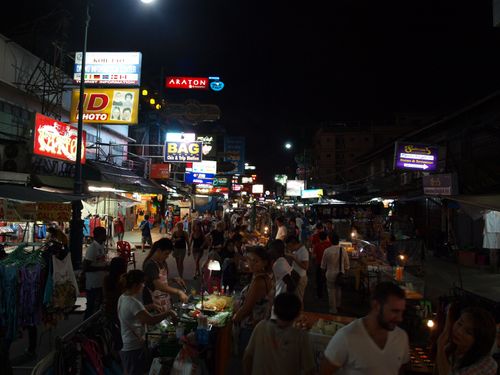
Bangkok’s backpacker carnival: curbside bars, live bands and DJs from 3pm–2am (midnight Sun). Street eats are cheap — pad thai 70–100 THB, mango sticky rice 60–100 THB. Come for wild people-watching; duck into Rambuttri for a calmer beer.
Watergate Spa & Massage
Massage
Recommended Products
More Khao San Road Guides
- What to Pack for Thailand for Multi-Climate Trips: Gear for Bangkok, Islands, and Northern Highlands
- What to Pack for Thailand for a Bangkok-and-Islands Backpacking Trip: City, Beach, and Boat-Day Essentials
- Backpacker Packing List for Thailand’s Beach-to-City Switch: What to Bring for Islands, Transit, and Bangkok Stopovers
- What to Pack for Thailand for Beach Hopping and Island Transfers: Dry Bags, Sand-Friendly Clothing, and Ferry Day Essentials