What to Pack for Thailand for Hostels and Budget Guesthouses: Shared-Room Comfort, Lockers, and Hygiene Basics
Your Thailand hostel essentials—smart pack list for dorm comfort, lockers, shared showers, and beach-to-city travel—plus costs, etiquette, and booking tips.
We step off Soi Rambuttri into a fan-cooled dorm where the clack of locker doors and the soft snore of a jet-lagged farang set the soundtrack. Outside, the wok sizzles, tuk-tuks cough, and durian perfumes the air like sweet rot. Inside, it’s our little kit—earplugs, quick-dry towel, and a tiny padlock—that makes this shared world workable. If you’re hunting for Thailand hostel essentials, think less “camping” and more “city survival with beach detours,” tuned for AC battles, shared showers, and humid nights that turn cotton to cling-wrap.
Data Freshness + Pricing:
- Prices are approximate and in THB.
- Last checked: July 2026.
- Happy hour and promo details change frequently—confirm locally.
What Thai hostels are really like (and who they suit)
Budget backpackers
In Bangkok’s Banglamphu (Khao San Road, Soi Rambuttri, Phra Athit), we’re spoiled for choice: basic fan dorms that feel like sauna socials and crisp AC pods you can cocoon in. Expect social bars downstairs, a thump of bass by midnight, and someone arriving at 3 AM with a bag of 7-Eleven toasties. Down south on the islands, dorms skew beachy and barefoot; up north in Chiang Mai’s Old City and Nimman, everything leans calmer with coffee and cowork vibes.
- Typical dorm price: approx 180–450 THB for basic fan dorms; 300–700 THB for AC pod-style in cities. Islands during peak can jump higher.
- Vibe meter: Khao San = party sanuk; Chiang Mai = chill and temples; islands = sandy feet and salt-stiff sheets.
Solo travelers
Hostel common rooms are where plans change for the better. A whiteboard of day trips, free walking tours, group dinners—easy company if you want it, anonymity if you don’t. Look for curtains on bunks for privacy, female-only dorms if that’s your comfort zone, and lockers big enough for a 40L pack.
Digital nomads
We love Chiang Mai for this crowd: fast Wi‑Fi, cafes on every soi, and dorms that don’t mind you nursing an iced americano while uploading. In Bangkok, Sukhumvit’s Asok–Ekkamai strip has the best BTS connections and plenty of laptop-friendly corners. Aim for hostels that list real speeds (50–200 Mbps is common) and plenty of plugs at the beds.
First-time visitors
The rhythm’s simple: shoes off at thresholds, a sawadee and a smile, respect quiet hours, and stash valuables in the locker. Bangkok’s heat is honest: we dodge into 7‑Eleven for a blast of AC and electrolyte drinks, then ride the Chao Phraya Express boat to cool down—Chao Phraya Tourist Boat N13 Phra Arthit Pier is our friend.
Thailand hostel essentials: what to pack
Hostel comfort is 70% planning, 30% improvising with a 7‑Eleven run. Pack light, but pack smart for climate, cleanliness, security, and those shared bathrooms.
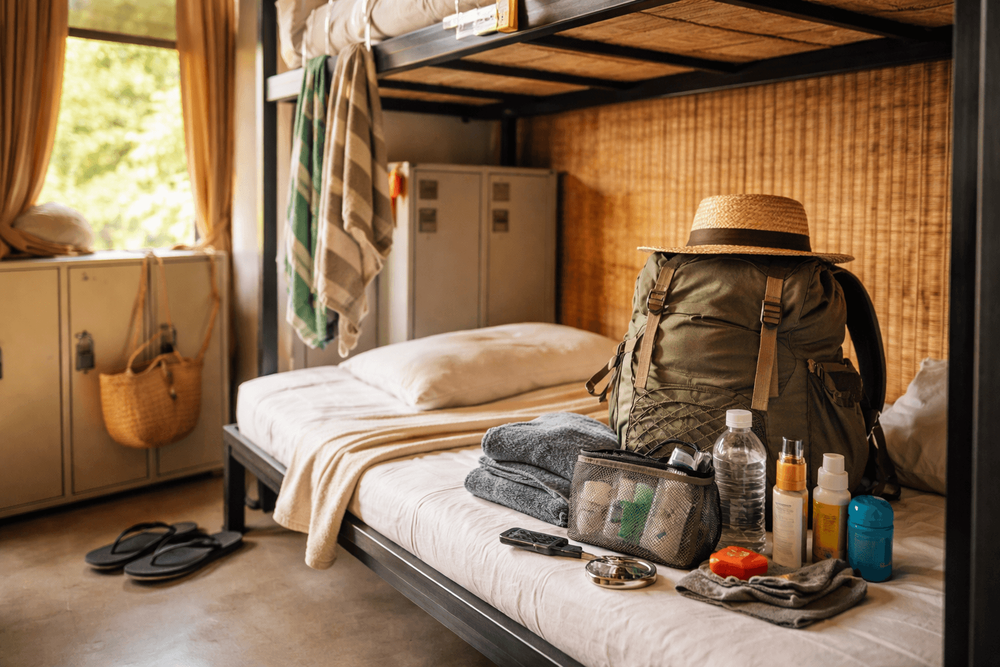
Sleep kit (for dorm sanity)
- Earplugs + eye mask: Non‑negotiable when the bar on Khao San is still thumping at 2 AM.
- Lightweight sleep sheet or thin liner: Great for fan rooms or when AC is set to “Arctic.”
- Compact travel pillowcase: Slips over hostel pillows for a fresh feel; doubles as a laundry bag.
- Small personal fan (USB, clip-on): Gold on hot trains and in fan-only dorms.
For a deeper dorm-focused list Thailand-specific picks Thailand Packing List for Backpackers Using Hostels and Shared Dorms.
Shower + hygiene kit (shared-bathroom basics)
- Quick-dry microfiber towel: Dries between showers; local price approx 150–300 THB.
- Shower sandals/flip-flops: Essential; grab a pair locally for approx 60–150 THB.
- Hanging toiletry bag + carabiner: Keep your kit off wet floors.
- Lightweight soap case or solid soap bars: Less spill risk.
- Razor cover, nail clippers, small first-aid pouch: Plasters, antiseptic wipes, and pain relievers.
- Laundry soap sheets or small powder packs: Local sachets are approx 10–20 THB each.
- Menstrual supplies: Not every 7‑Eleven stocks everything; bring your brand or a cup with a discreet storage pouch.
Hygiene in hostels is its own art What to Pack for Thailand for Health and Hygiene in Hostels: Toiletries, Laundry, and Shared-Bathroom Basics.
Security kit (for lockers and buses)
- Solid padlock with a short shackle: Most lockers are padlock-ready. Local price approx 60–150 THB.
- Thin cable lock: Loop a daypack to your bunk or luggage rack on night buses.
- Small dry bag: Keeps passport/phone safe on boat rides and Songkran.
- Photocopies and digital backups of passport/insurance: Store separate from your actual passport.
Clothing, laundry, and climate
- Quick-dry tops and shorts; light long pants/skirt for temples.
- Sarong: Beach blanket, privacy curtain, temple cover, emergency towel.
- Ultralight rain jacket or poncho: Rainy bursts from May–Oct on the Andaman side; Oct–Dec more common on the Gulf.
- Compact clothesline + a few pegs: Turn any bunk into a drying rack.
- Packable daypack: For markets, temples, and motorbike runs.
Electronics and power
- Universal adapter + small 2‑port charger: Thailand is 220V and commonly uses Types A, B, and C sockets; a universal adapter keeps you covered.
- Short extension or splitter: When your top bunk plug is at ankle level.
- Power bank (10,000–20,000 mAh): Hostels with limited outlets will test your patience.
- USB headlamp: Polite late-night navigation without lighting the whole dorm.
We keep our tech minimal and modular What to Pack for Thailand for Backpackers with a One-Bag Toiletry Kit: Minimal Hygiene Essentials That Work in Hostels.
Health and comfort extras
- Mosquito repellent (DEET or picaridin): Approx 80–200 THB locally.
- Sunscreen: Import brands can be pricey; expect approx 250–500 THB.
- Rehydration salts: Lifesavers after a day temple-hopping in 35°C heat.
- Reusable water bottle: Many hostels have water refill options (free–20 THB); street vending machines and 7‑Eleven make refills cheap.
- Small stash of meds: Anti-diarrheals, antihistamines, motion sickness tablets.
Beach vs. city add‑ons
- Beach: Dry bag, rash guard for sun, reef-safe sunscreen, quick-dry swimwear.
- City: Lightweight scarf for AC-blasted malls and cinemas, modest cover-up for temples, breathable shoes for miles of pavement.
If you’re a checklist person, this dorm-first master list What to Pack for Thailand if You’re Staying in Hostels.
Common hostel amenities to look for (and what they really mean)
- Lockers: Check size—can it fit your whole backpack or just a laptop? Some require your own lock; others use key cards with a deposit (approx 100–300 THB).
- Air conditioning: Some hostels run AC only at night to save power. If you run hot, confirm 24/7 AC or at least afternoon hours.
- Wi‑Fi: Look for actual speeds listed; 50–200 Mbps is common in cities. Ask if the signal reaches all bunks.
- Privacy features: Curtains, individual reading lights, USB ports, and shelves mean real comfort in a shared room.
- Bathrooms: Ratio matters—1 shower per 6–8 beds is decent. Hot water is standard in cities, not always guaranteed in budget beach bungalows.
- Laundry: Onsite service (approx 60–120 THB/kg) or machines (approx 30–50 THB/wash). A drying area is a plus in the rainy months.
- Common areas: Kitchens are rare in Bangkok; pantries with kettles and microwaves are more common. Rooftop terraces beat street noise for a sunset Chang.
- Luggage storage: Often free pre-check-in and post-check-out; some places charge a small fee (approx 20–50 THB/hour) for longer stashes.
- Tours and transport: Reputable desks will book buses, ferries, and day trips without pressure. Prices vary; compare before paying.
- Booking flexibility: Walk-ins can score deals in low season. In peak months (Dec–Feb and July–Aug), pre-book to avoid dorm wander.
Etiquette and safety: sharing space the Thai way
- Quiet hours are real: Use your headlamp after lights-out; phone calls in the hallway, not from your bunk.
- AC diplomacy: Don’t set the unit to meat-locker. A polite chat in the group chat or at the desk solves most temperature wars.
- Bunk manners: Keep bags off shared floors, don’t colonize other people’s shelves, and avoid clipping nails in the dorm (yes, it happens).
- Food rules: Strong smells linger—skip durian, dried squid, and instant noodles in dorms. Ants are faster than you think.
- Shoes off: Many hostels are no-shoes inside. Look for the rack by the entrance.
- Valuables: Locker every time, even if you just nip to 7‑Eleven. Use that cable lock on buses and ferries.
- Local customs: Dress modestly for temples (shoulders and knees covered), don’t point feet at Buddha images, and save public displays of affection for later.
- Substances and smoking: Vaping and public smoking laws are enforced; rules change—ask the desk and never smoke in rooms.
- Scams: Ignore “tuk-tuk 20 baht” offers that morph into gem shops; meter taxis only; use official ferry piers on the Chao Phraya.
Costs and booking tips by destination
Bangkok
- Dorm range: approx 220–750 THB. Fan dorms near Khao San run cheaper, while modern pods along BTS in Asok–Ekkamai are pricier but super connected.
- Where we crash: For a retro pool fix within tuk-tuk range of Khao San, we sometimes book the quiet rooms and take a dip at Hotel De Moc—solid value when you want a breather from Banglamphu’s buzz. Hotel De Moc
- Location strategy: If you want temples and cheap street eats, base near Phra Athit Road or Soi Rambuttri. If malls and skytrain are your jam, stick to Sukhumvit.
Chiang Mai
- Dorm range: approx 160–600 THB. Old City hostels skew social but calm; Nimman is cafe-rich and digital-nomad central.
- What to look for: Bikes for rent (approx 50–80 THB/day) and tour desks that do ethical elephant sanctuaries and sticky waterfall runs.
Phuket and Krabi (Andaman coast)
- Dorm range: Phuket Town and Patong approx 300–1,200 THB depending on season; Ao Nang (Krabi) approx 250–900 THB.
- Book early in Dec–Feb: Peak season sends walk-in prices skyward. Consider inland bases (Phuket Town, Krabi Town) for better value and day-trip out to beaches.
Koh Samui and Gulf islands (Samui, Phangan, Tao)
- Dorm range: approx 300–1,200 THB. Full Moon periods on Koh Phangan spike prices; book weeks ahead if you’re aiming for the party.
- Beach tips: Pay for AC if you burn easily—sunburn and sweaty rooms are a cruel combo.
Chinatown (Bangkok bonus)
- When late-night noodle crawls beckon, we like small guesthouses tucked into Yaowarat’s quieter sois. One comfy, friendly base for food missions is Au Samlor Guesthouse—easy walk to the neon and morning markets. Au Samlor Guesthouse
Know before you go: deposits, check-ins, and first-night logistics
- ID and deposit: Hostels will photograph your passport and may hold a key/linen deposit (approx 100–500 THB). Keep a receipt.
- Towels and rentals: If towels aren’t free, expect approx 30–80 THB rental. Lock rentals similar.
- SIM cards: Tourist SIMs with data typically run approx 150–300 THB for short stays; eSIMs are often sold at the airport.
- Arrival moves in Bangkok:
- Suvarnabhumi (BKK): Take the Airport Rail Link to Phaya Thai (approx 45 THB), then BTS/MRT or a metered taxi/Grab. For Khao San/Phra Athit, river boats from Saphan Taksin BTS can be cooler than traffic.
- Don Mueang (DMK): SRT Red Line commuter trains connect to Bang Sue Grand Station (approx 30–45 THB), then MRT onward or taxi.
- Ferries and buses: For islands, bundle bus + ferry tickets via reputable agencies. Compare prices at a couple of desks before paying.
Real places we use when we want a sure thing
- When we want a sociable, budget bed near Banglamphu without the full Khao San chaos, the tidy dorms at 1919Hostel have done right by us—walkable to Phra Sumen Fort and mango sticky rice stalls. 1919Hostel
- For a calmer night and a pool day between temple runs, the vintage vibe at Hotel De Moc is an easy pick. Hotel De Moc
- On nights we’re chasing Yaowarat’s peppery boat noodles and morning dim sum, Au Samlor Guesthouse keeps us close but not trapped in the noise. Au Samlor Guesthouse
Quick FAQ: your packing and booking, distilled
- Do I need a sleeping bag? No. It’s too hot. A thin liner or sleep sheet is perfect.
- Are lockers standard? In most city hostels, yes. Bring your own padlock.
- Can I buy everything there? Almost. Budget towels, flip-flops, adapters, and laundry soap are easy finds. Niche toiletries and specialty meds—bring your own.
- What about monsoon season? It mostly means short, heavy bursts. Pack a poncho and quick-dry kit; plan ferries with a buffer day.
- How early should I book? For Dec–Feb and big parties (Full Moon, Songkran, New Year), weeks ahead. Otherwise, a few days out is fine.
Lewis N. Clark Travel Sentry Approved Combination Padlock
When in doubt, go light, keep your valuables locked, and let the city lead—temple spires from the river at golden hour, a plastic stool on Phra Athit Road, a late bowl of boat noodles you’ll still be thinking about tomorrow. Pack the padlock, grab a Chang, and we’ll meet you under the fairy lights on Soi Rambuttri.
Related Hotels & Places
Khao San Road
Attractions
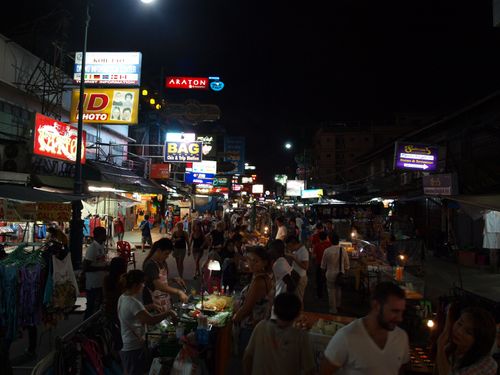
Bangkok’s backpacker carnival: curbside bars, live bands and DJs from 3pm–2am (midnight Sun). Street eats are cheap — pad thai 70–100 THB, mango sticky rice 60–100 THB. Come for wild people-watching; duck into Rambuttri for a calmer beer.
7-Eleven
Shops
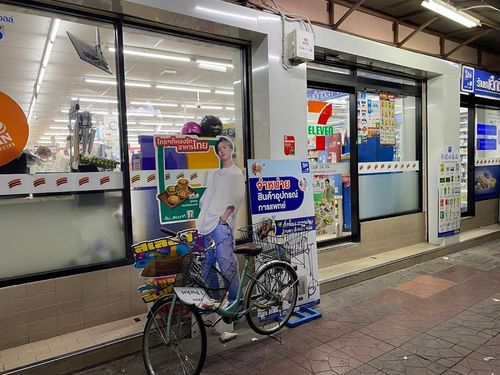
Khao San’s 24/7 reset button: ice‑cold A/C, ham‑cheese toasties, All Café iced lattes, water for 7–14 THB, and late‑night supplies from snacks to sunscreen—right by Rikka Inn.
Chao Phraya Tourist Boat N13 Phra Arthit Pier
Services
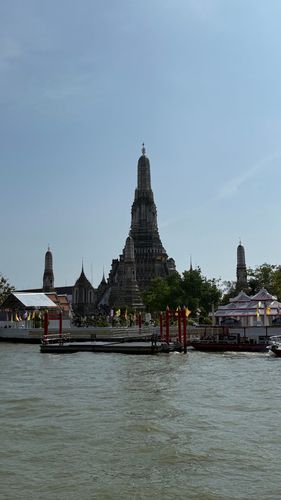
Khao San's river gateway. N13 Phra Arthit is the Chao Phraya Tourist Boat stop: grab a day pass and hop to Wat Arun, the Grand Palace and Sathorn. Boats every ~30 mins; last around 7:15pm. The scenic, no-traffic way to get around.
Hotel De Moc
Hotels
A 3-star hotel in Bangkok.
1919Hostel
Hotels
A 2-star hotel in Bangkok.
Au Samlor Guesthouse
Hotels
A 3-star hotel in Bangkok.
Recommended Products
More Khao San Road Guides
- What to Pack for Thailand for Hostel Stays: Dorm Comfort, Lockers, and Shared-Bathroom Essentials
- What to Pack for Thailand for Hostel Dorms: Sleep, Security, and Shared-Bathroom Essentials
- What to Pack for Thailand for Health and Hygiene in Hostels: Toiletries, Laundry, and Shared-Bathroom Basics
- Thailand Packing List for Backpackers Staying in Dorm Rooms: Lockers, Sleep Gear, and Shared-Bathroom Essentials