Khao San Road vs Sukhumvit: Where Should You Stay?
Khao San Road vs Sukhumvit: Where Should You Stay? — your insider guide to the best of Khao San Road.
Khao San Road vs Lumpini Suite Hotel: Where Should You Stay? Date: 2026-06-07
The short answer
- Pick Khao San Road if you want a lively Backpacker Bar scene, cheap eats, pub streets, and walkable access to Bangkok’s historic old city (Grand Palace/Wat Pho) at the expense of rail connections and quiet nights.
- Pick Sukhumvit Suites Hotel if you want city convenience: direct BTS/MRT access, easy airport links, international dining, malls, rooftop bars, and a range of midrange-to-luxury stays. Nights are energetic but more spread out across neighborhoods.
How they feel
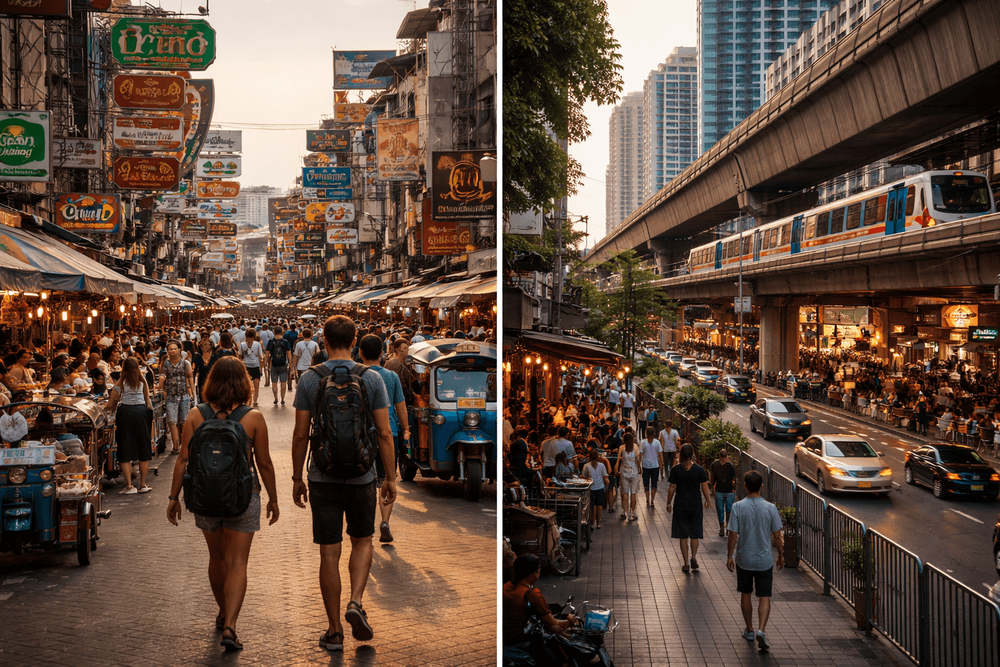
- Khao San Road area (including Rambuttri Village Hotel/Phra Athit): Dense backpacker vibe, music spilling into the street, budget hostels and midrange boutiques, tons of street food and traveler bars. It’s social, loud, and late. Mornings are slower; days are for temples and canals nearby.
- Sukhumvit (Nana best inn–Asok–Phrom Phong–Thonglor Suites Hotel–Ekkamai): Fast-moving, cosmopolitan, and better organized. BTS runs overhead, sidewalks are busy, and you’ll find everything from Japanese izakaya to Michelin tasting menus, cocktail bars, and large malls. Nightlife concentrates on Soi 11, Thonglor, and Ekkamai with pockets of quieter, residential lanes.
Location and connectivity
- Khao San: No BTS/MRT station. You’ll rely on taxis/Grab, city buses, and river boats (Phra Arthit pier). Great for sightseeing in Rattanakosin Exhibition Hall (Grand Palace, Wat Pho, National Museum).
- Sukhumvit: Multiple BTS stations (Nana, Asok, Phrom Phong, Thong Lo, Ekkamai) and interchange to MRT at Asok/Sukhumvit. This is Bangkok’s easiest base for zipping around the city by rail.
Getting there and around
Airports to Sukhumvit
Suvarnabhumi (BKK) → Sukhumvit (Asok/Phrom Phong/Thong Lo)
- Route: Airport Rail Link (ARL) to Makkasan or Phaya Thai, then connect to MRT/BTS to Sukhumvit.
- Typical fare: expect a modest city-rail total under 100 THB per person for the rail segments; taxis add distance-based cost from the interchange (Last verified: Verify on official site before travel via SRTET Airport Rail Link, https://www.srtet.co.th; BTS SkyTrain, https://www.bts.co.th; MRT/BEM, https://metro.bemplc.co.th).
- Operating hours: early morning to around midnight for ARL/BTS/MRT; first/last trains vary by line and station (Last verified: Verify on official site before travel via ARL/BTS/MRT websites listed above).
Don Mueang (DMK) → Sukhumvit
- Route: SRT Red Line suburban rail from Don Mueang to Bang Sue Krung Thep Aphiwat, then MRT Blue Line to Sukhumvit (Asok).
- Typical fare: expect a low combined rail fare under 100 THB per person; taxis for the last mile add distance-based cost (Last verified: Verify on official site before travel via State Railway of Thailand, https://www.railway.co.th; MRT/BEM, https://metro.bemplc.co.th).
- Operating hours: early morning to late evening for the Red Line; MRT runs from early morning to around midnight; first/last vary—check timetables (Last verified: Verify on official site before travel via SRT/MRT links above).
Airports to Khao San Road
Suvarnabhumi (BKK) → Khao San
- Fastest mixed-mode: ARL to Phaya Thai or Makkasan → BTS/MRT toward Saphan Taksin → Chao Phraya Express Boat to Phra Arthit pier → short walk/tuk-tuk to Khao San.
- Typical fares: river boat is inexpensive (expect a few dozen baht, depending on flag/service); rail fares as above; tuk-tuk/taxi add short-hop cost (Last verified: Verify on official site before travel via Chao Phraya Express Boat, https://www.chaophrayaexpressboat.com; ARL/BTS/MRT links above).
- Operating hours: boats generally run daytime to early evening on most lines; tourist/blue-flag services may have different spans; confirm first/last boats (Last verified: Verify on official site before travel via Chao Phraya Express Boat website).
Don Mueang (DMK) → Khao San
- Route options: SRT Red Line to Bang Sue → MRT to Sanam Chai or Sam Yot → short taxi/Grab; or direct airport taxi/Grab.
- Typical fares: combined rail is inexpensive (under 100 THB per person); taxis vary with traffic and time (Last verified: Verify on official site before travel via SRT/MRT links above).
- Operating hours: rail from early morning to late; taxis 24/7 (Last verified: Verify on official site before travel via SRT/MRT links above).
Getting around each area
Khao San area:
- Chao Phraya Express Boat from Phra Arthit connects you to Sathorn/Saphan Taksin for BTS; fares are low per ride (Last verified: Verify on official site before travel via Chao Phraya Express Boat, https://www.chaophrayaexpressboat.com).
- City buses cover Rattanakosin and Chinatown Bangkok (Yaowarat); routes and fares change—use the BMTA app and verify before boarding (Last verified: Verify on official site before travel via BMTA, https://www.bmta.co.th).
- Taxis/Grab/tuk-tuks are abundant; meter/tariffs can vary with surcharges—confirm before riding (Last verified: Verify on official site before travel via Department of Land Transport, https://www.dlt.go.th).
Sukhumvit:
- BTS Sukhumvit Line links Nana–Asok–Phrom Phong–Thong Lo–Ekkamai and beyond; typical single-journey fares are within a two-digit THB range for inner-city hops (Last verified: Verify on official site before travel via BTS SkyTrain, https://www.bts.co.th).
- MRT Blue Line interchanges at Asok/Sukhumvit for cross-town trips; fares generally comparable to BTS (Last verified: Verify on official site before travel via MRT/BEM, https://metro.bemplc.co.th).
- Taxis/Grab fill the gaps, especially late at night.
Nightlife snapshot and what it costs
Khao San Road area
- Peak hours: roughly 21:00–01:00 on most nights; weekends can run later (Last verified: Verify on official site before travel; check individual bar pages).
- Door/cover: many bars have no cover; occasional live-music venues or clubs may charge around 0–200 THB, sometimes with a drink included (Last verified: Verify on official site before travel; check venue pages).
- Happy hours: common early-evening deals, often around 17:00–20:00 on selected drinks (Last verified: Verify on official site before travel; check venue pages).
Sukhumvit (Soi 11, Thonglor, Ekkamai)
- Peak hours: about 22:30–02:00; some late-night venues run later within legal hours (Last verified: Verify on official site before travel; check venue pages).
- Door/cover: mid- to upscale clubs may charge roughly 300–600 THB, usually including one drink; bars often free entry (Last verified: Verify on official site before travel; check venue pages).
- Happy hours: many cocktail bars run early-evening windows around 17:00–20:00; hotel bars sometimes extend to 21:00 (Last verified: Verify on official site before travel; check venue pages).
Food, coffee, and shopping
- Khao San: Street food is the star—pad thai, skewers, fruit shakes—plus casual Thai restaurants and traveler cafes. Daytime coffee spots cluster around Rambuttri and Phra Athit. For markets and vintage vibes, head to nearby Banglamphu and Phra Athit.
- Sukhumvit: Everything from food courts and cheap eats under the BTS to standout Japanese, Korean, Middle Eastern, and Indian restaurants. Specialty coffee is abundant. For shopping, you have Terminal 21 Pattaya, EmQuartier/Emporium, and community malls; Central Embassy and luxury malls are a short BTS ride away.
Sightseeing access
- From Khao San: Walk or short ride to the Grand Palace, Wat Pho, Sanam Luang, National Gallery, and the canals. Hop the river boat for Wat Arun Ratchawararam Ratchawaramahawihan and Chinatown.
- From Sukhumvit: BTS/MRT make it easy to reach Lumphini Park, Chatuchak Weekend Market, ICONSIAM (via BTS and shuttle boat), and river connections at Saphan Taksin; for the Grand Palace/old city you’ll likely take a taxi/Grab or combine BTS + boat.
Accommodation landscape
- Khao San: Heavy on hostels and budget hotels with a sprinkling of boutique stays around Phra Athit and hidden lanes off Rambuttri. Expect compact rooms; many places emphasize social spaces. Noise can carry—ask for back-building or higher-floor rooms.
- Sukhumvit: Wide spread from reliable midrange business hotels to 4–5-star towers and serviced apartments. Rooftop pools and gyms are common. It’s easier to find family rooms and quiet stays on residential sois.
Who should stay where
- First-time tourists without patience for traffic: Sukhumvit. Rail access simplifies nearly every day trip.
- Temple hunters and canal wanderers: Khao San. You’ll spend less time crossing town to the old city.
- Nightlife-focused travelers:
- Backpacker pub crawls and cheap buckets: Khao San.
- Clubs, cocktail bars, rooftops, and live-DJ nights: Sukhumvit.
- Families: Sukhumvit, for space, facilities, and train convenience.
- Digital nomads/longer stays: Sukhumvit, for coworking, cafes, supermarkets, and serviced apartments.
- Ultra-budget: Khao San, especially if you don’t mind basic digs and late-night noise.
Pros and cons at a glance
- Khao San pros: Old-city proximity; social vibe; budget-friendly food and stays; river access.
- Khao San cons: No BTS/MRT; louder streets; more touts; cross-town trips can be slow.
- Sukhumvit pros: Best-in-city rail coverage; dining diversity; shopping; broad hotel range; easy airport access.
- Sukhumvit cons: Less “historic Bangkok” feel; can feel busy and commercial; some nightlife zones are pricey.
Sample movement plans
If you stay on Khao San
- Day: Walk to the Grand Palace and Wat Pho; boat to Wat Arun; sunset at Phra Athit.
- Night: Street food and bars on Rambuttri/Khao San; keep valuables close in crowds.
- Moving across town: Boat to Saphan Taksin → BTS for Siam/Asok; or taxi/Grab off-peak.
If you stay on Sukhumvit
- Day: BTS to Siam/MBK/Art & Culture Centre; or MRT to Chatuchak; park time at Benchasiri/Lumphini.
- Night: Sundowners at a rooftop; dinner on Soi 11 or Thonglor; late bar crawl by foot/BTS/Grab.
- Old city day: BTS to Saphan Taksin → boat to Tha Chang/Tha Tien for temples, then taxi/Grab home.
Essential transport references to check before you go
- BTS SkyTrain: network map, hours, and fares (Last verified: Verify on official site before travel via BTS SkyTrain, https://www.bts.co.th).
- MRT (Blue/Purple Lines): hours and fares (Last verified: Verify on official site before travel via MRT/BEM, https://metro.bemplc.co.th).
- Airport Rail Link (BKK): hours and fares (Last verified: Verify on official site before travel via SRTET ARL, https://www.srtet.co.th).
- State Railway of Thailand (for Red Line to DMK): timetables and fares (Last verified: Verify on official site before travel via SRT, https://www.railway.co.th).
- Chao Phraya Express Boat: routes, flags, first/last boats, and fares (Last verified: Verify on official site before travel via Chao Phraya Express Boat, https://www.chaophrayaexpressboat.com).
- Airports of Thailand: flight/ground-transport info for BKK and DMK (Last verified: Verify on official site before travel via Suvarnabhumi, https://suvarnabhumi.airportthai.co.th; Don Mueang, https://donmueang.airportthai.co.th).
Bottom line
- Choose Khao San Road to be in the thick of Bangkok’s backpacker energy and near the major temples. Choose Sukhumvit for frictionless transport, dining variety, and a wide choice of modern hotels. If you can, split your stay: two nights in Khao San for the old city and three in Sukhumvit to explore the rest with ease.
Related Hotels & Places
Khao San Road
Attractions
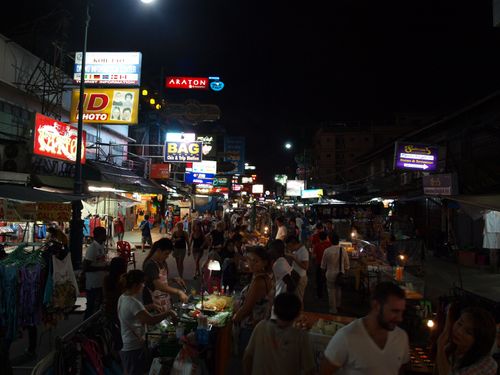
Bangkok’s backpacker carnival: curbside bars, live bands and DJs from 3pm–2am (midnight Sun). Street eats are cheap — pad thai 70–100 THB, mango sticky rice 60–100 THB. Come for wild people-watching; duck into Rambuttri for a calmer beer.
Backpacker Bar
Bars
Lumpini Suite Hotel
Hotels
A 4-star hotel in Bangkok.
Rambuttri Village Hotel
Hotels
Rambuttri Village Hotel provides flawless service and all the necessary facilities for visitors. Stay connected with your associates, as complimentary Wi-Fi is available during your entire visit. The inn offers taxi amenities to assist you in discovering your desired offerings in Bangkok.The inn off
Sukhumvit Suites Hotel
Hotels
A 3-star hotel in Bangkok.
Nana best inn
Hotels
A 1.5-star hotel in Bangkok.
Thonglor Suites Hotel
Hotels
A 4-star hotel in Bangkok.
Rattanakosin Exhibition Hall
Attractions
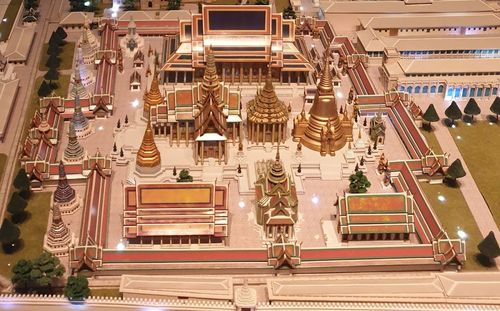
Nine smart galleries map Bangkok’s Rattanakosin era with models, multimedia, and staff‑led tours every 30 minutes. Air‑con refuge near Democracy Monument; open Tue–Sun 9am–5pm. Tickets from ~200 THB. Coffee shop and a small library upstairs.
Chinatown Bangkok (Yaowarat)
Attractions
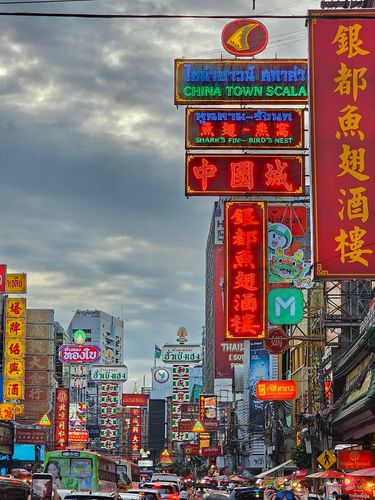
Neon, woks, and queues: Yaowarat is Bangkok’s street‑food strip. Start at Wat Mangkon MRT, graze T&K Seafood and Nai Ek’s peppery guay jub, snag toasted buns, and finish with mango sago at Sweet Time. Best 6pm–late; ~10‑minute taxi from Khao San.
Terminal 21 Pattaya
Shops
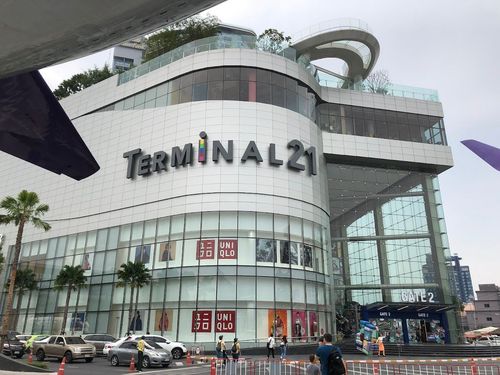
Airport‑themed mega‑mall by Dolphin Circle with city‑style photo ops, a bargain‑friendly Pier 21 food court (dishes ~40–70 THB), cafés, and an SF Cinema upstairs. Easy Baht‑bus hop for an air‑conned break from the beach, open daily from 11am.
Sanam Luang
Attractions
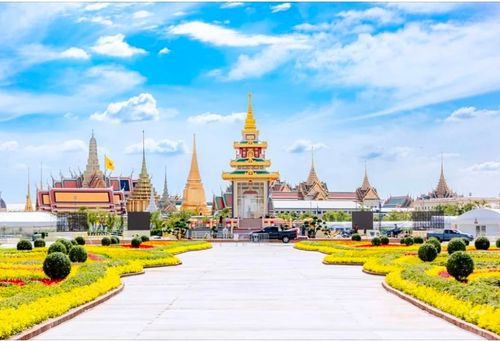
Bangkok’s royal lawn facing the Grand Palace. Free to wander, ringed by tamarind trees, popular for kite flying (Feb–Apr) and lazy green‑space hangs. A 10‑minute walk from Khao San; come early for soft light and street snacks along Na Phra That Rd.
Wat Arun Ratchawararam Ratchawaramahawihan
Temples
ICONSIAM
Shops
Riverfront mega-mall with SOOKSIAM’s indoor floating market, an evening fountain show on the promenade, and a riverside Apple Store with terrace views. Easy boat hop from Saphan Taksin; snacks from 50 THB, open daily 10am–10pm.