Budget Bangkok: How to Survive on $30 a Day
Budget Bangkok: How to Survive on $30 a Day — your insider guide to the best of Khao San Road.
Budget Bangkok: How to Survive on $30 a Day Date: 2026-06-06
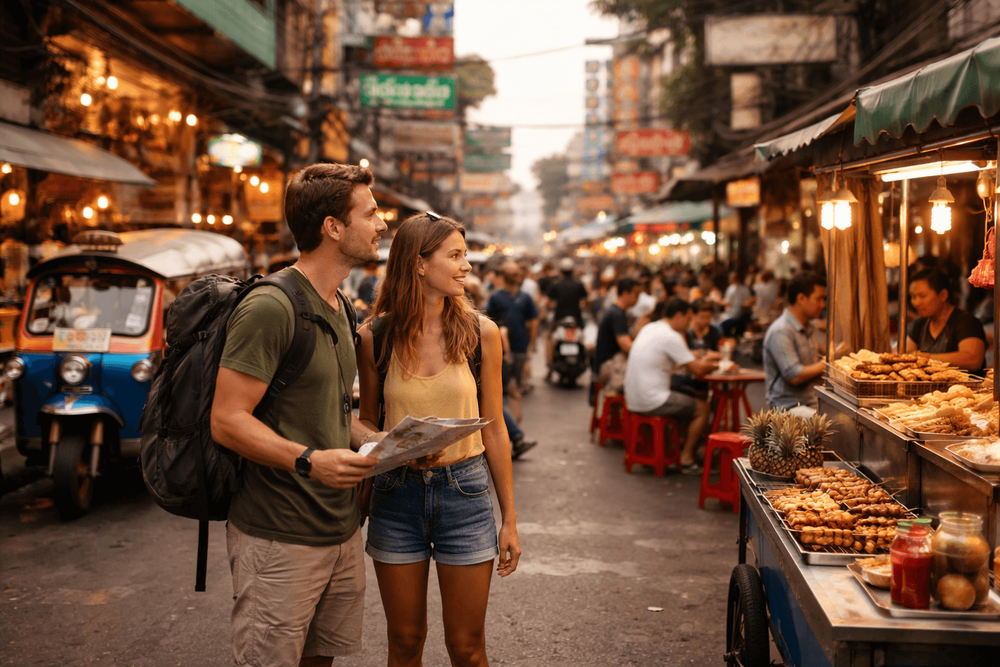
Good news: Bangkok is one of Asia’s easiest big cities to explore on a tight budget without feeling deprived. With a little planning and smart choices, $30 a day can cover a bed, filling meals, local transport, a couple of sights, and even a small treat.
How much is $30 in baht?
- Plan for roughly 1,000–1,200 THB per day depending on the exchange rate. Rates move, so set a live alert in your banking app and carry a small buffer.
Your daily budget blueprint (percentages keep you on track)
- Bed: 35–45%
- Food and drinks: 25–35%
- Local transport: 10–15%
- Sights/activities: 10–15%
- Buffer/miscellaneous: 5–10% Adjust as needed if you find a great hostel deal or skip paid attractions that day.
Where to stay on a budget
- Pick areas with cheap eats and good transit or walkability: Chinatown Bangkok (Yaowarat), Ari, Victory Monument, Phaya Thai, On Nut, and around National Stadium/Siam for easy BTS/MRT access; Baan Manee BKK for backpacker density and walkable basics.
- What to look for in hostels/guesthouses:
- Strong AC, free drinking-water station, and lockers.
- Breakfast included or kitchen access.
- Walkable to transit or major food streets to cut transport costs.
- Laundry options on-site or nearby coin machines.
- Booking tips:
- Compare first-night walk-in rates vs apps; sometimes direct messages yield extra discounts for multi-night stays.
- Avoid weekend surges by shifting arrival/departure midweek if possible.
- If traveling in a pair, compare a basic guesthouse double vs two dorm beds; the private might be close in price.
Eat well for less
- Street food is king. Look for busy stalls with a steady turnover and posted prices. Morning markets are great for fresh fruit and rice porridge; evenings bring grills, noodles, and curries.
- Food courts in malls (look for the “card” systems) are air‑conditioned, reliable, and inexpensive. Central World, MBK, Terminal 21, and ICONSIAM have large courts with wide variety.
- Convenience stores (7‑Eleven, FamilyMart) fill gaps with toasted sandwiches, microwave rice dishes, and cheap coffee. Add a side of fresh fruit from a nearby cart.
- Hydration hacks:
- Carry a reusable bottle. Many hostels offer filtered water; some malls and parks have refill stations.
- If you must buy bottled water, get 1.5L sizes for per‑liter savings.
Getting around without blowing the budget Below are the most budget‑friendly ways to move around. For all routes, check live details for fares, hours, and first/last departures on the official site or app before travel; operating patterns and prices can change. Verify on official site before travel.
BTS SkyTrain (Sukhumvit/Silom lines)
- Best for skipping traffic above Sukhumvit, Silom, Siam, and to connect at major interchanges.
- Tips: Buy a stored‑value card to save time; day passes exist if you’ll ride often.
- Hours: Typically early morning to around midnight; first/last train times vary by station. Verify on official site before travel.
MRT (Blue/Purple lines)
- Covers Chinatown, Old Town fringes, Ratchada Boutique Hotel, and connections to intercity rail.
- Tips: Stored‑value cards available; interchange with BTS at several points.
- Hours: Typically early morning to late night. Verify on official site before travel.
Airport links
- Suvarnabhumi (BKK): Airport Rail Link into the city; consider if you’re staying along its corridor.
- Don Mueang (DMK): SRT Red Line commuter trains connect to the wider rail network; airport buses also run to key hubs.
- Hours: Generally early morning through late evening; check first/last departures. Verify on official site before travel.
Chao Phraya river boats
- The orange-flag boats serve most travelers along the river for cheap, scenic hops to Old Town, Iconsiam, and Sathorn.
- Hours: Typically morning through early evening; frequency varies by time of day. Verify on official site before travel.
Khlong Saen Saep canal boats
- Fast and very cheap east‑west option paralleling Phetchaburi/Ramkhamhaeng, avoiding traffic.
- Hours: Typically early morning to evening; some sections taper off at night. Verify on official site before travel.
City buses and songthaews
- The absolute cheapest way to cover distance; routes can be confusing but Google Maps helps.
- Tips: Keep small change; tell the conductor your destination.
Mototaxis and ride‑hailing
- Motorbike taxis are cost‑effective for short hops from stations to backstreets; agree on price beforehand or ensure the meter is used where applicable.
- Ride‑hailing apps are useful late at night or in the rain; compare across apps.
Walk more, spend less
- Use shaded sidewalks, skywalks around Siam/Chit Lom/Asok, and river breezes along promenades.
- Plan loops: group sights by neighborhood so you only pay for one or two rides a day.
Seeing the city on the cheap
- Free or donation‑based:
- Parks: Lumpini, Benjakitti (huge lake loop and skywalk), Chatuchak Haus.
- Cultural browsing: Bangkok Art and Culture Centre (BACC) exhibitions are often free; many temples are free or request small donations off the main tourist circuit.
- Self‑guided walks:
- Chinatown alleys and markets by morning.
- Taladnoi Paint House street art and riverside warehouses.
- Old Town’s canals and wooden shophouses near Phra Arthit.
- Low‑cost classics:
- Longtail‑style public boats on the Chao Phraya for DIY “river cruise.”
- Community ตลาดโต้รุ่ง for food and people‑watching: Talat Rot Fai Srinakarin, Ratchada/Lat Phrao area markets, and neighborhood “walking streets.”
- Paid highlights worth planning for:
- Major royal temples and palace complex have official entry fees and posted opening hours; check the official site the morning you go and dress appropriately. Verify on official site before travel.
Nightlife on a shoestring
- Where to go:
- Khao San Road and Rambuttri for backpacker‑friendly prices, cover‑free bars, and street music.
- Chinatown’s Soi Nana and surrounding lanes for small cocktail bars; early‑evening deals are common.
- Local live‑music pubs around Victory Monument, Ari, and Ratchada for Thai bands with no or low cover.
- When and how:
- Peak hours are generally late evening to after midnight; arrive earlier for quieter vibes and potential happy‑hour specials. Verify on official site before travel.
- Many bars have no door charge; some clubs do, occasionally including a drink. Verify on official site before travel.
- Save by pre‑gaming with convenience‑store beverages where permitted and sticking to local beers or basic mixed drinks.
A sample $30 day (percentage‑based so you can flex)
- Morning
- Hostel breakfast or market snack; refill water bottle.
- Free activity: park walk or self‑guided Chinatown food crawl.
- Midday
- One paid sight (temple/museum) or free gallery; take one metro/river ride to reposition.
- Lunch at a mall food court; coffee at a local stall.
- Afternoon
- Rest during the hottest hours; laundry, journaling, or cowork at a café with purchase.
- Evening
- Street‑food dinner at a market; one river or canal ride back.
- Low‑cost nightlife: bar with no cover, look for early‑evening specials.
- Spend check
- Bed: ~35–45% of your $30
- Food/drink: ~30%
- Transport: ~10–15%
- Sights: ~10–15%
- Buffer: ~5–10%
Money‑saving tactics locals actually use
- Eat your main meal at lunch when queues move faster and portions are hearty.
- Share plates: split a curry, add rice, and sample more for less.
- Carry small bills/coins for buses, boats, markets, and temple donations.
- Use offline maps and star cheap spots when you have Wi‑Fi.
- Skip ATMs with high withdrawal fees by using fee‑free global accounts or exchanging modest amounts of cash at competitive downtown exchanges.
- Laundry: coin‑op machines plus sun‑drying beat per‑piece rates.
- SIM/data: airport booths are convenient, but compare in‑city shops the next day for better deals; top‑up plans are widely available in convenience stores.
Etiquette that saves you stress (and money)
- Dress modestly for temples (shoulders/knees covered) to avoid having to rent or buy cover‑ups.
- Order like a local: customize spice level, ask for “no sugar” in drinks if you prefer it less sweet.
- Queue for boats and trains; offer seats to monks, elders, and parents with kids.
- Watch for “helpful” touts near major sights; use official entrances and posted ticket windows only.
How to check live info quickly before you spend
- Transit: Use the official BTS SkyTrain and MRT websites/apps for route maps, operating hours, first/last trains, and any day passes. Verify on official site before travel.
- Boats: Check the official Chao Phraya Express Boat page for flag colors, piers served, and schedules. Verify on official site before travel.
- Airports: Confirm Airport Rail Link and SRT Red Line timetables on their official pages. Verify on official site before travel.
- Major sights: Confirm opening hours, dress codes, and entry fees on the official site of each temple/palace the morning you go. Verify on official site before travel.
- Nightlife: Look at venue social pages for current happy hours and any door charges on the day. Verify on official site before travel.
The $30‑a‑day mindset
- Move with purpose (cluster sights), eat where it’s busy, ride what locals ride, and leave yourself a small daily buffer. You’ll eat well, see a lot, and still have enough left for a cold drink when the sun goes down.
Note on figures and times
- Because fares, entry fees, hours, and happy‑hour windows change, confirm current amounts and operating times on official sources shortly before you go. Where exact numbers/times would normally appear, this guide intentionally uses ranges or qualitative guidance. Verify on official site before travel.
Related Hotels & Places
Chinatown Bangkok (Yaowarat)
Attractions
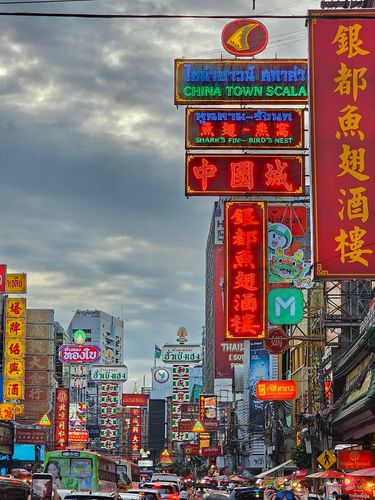
Neon, woks, and queues: Yaowarat is Bangkok’s street‑food strip. Start at Wat Mangkon MRT, graze T&K Seafood and Nai Ek’s peppery guay jub, snag toasted buns, and finish with mango sago at Sweet Time. Best 6pm–late; ~10‑minute taxi from Khao San.
Baan Manee BKK
Hotels
Riverside boutique stay and café in a restored 118-year-old family home. Quiet Bang Yi Khan vibes, 10–15 mins from Khao San. Come for river views, iced coffee, and a slow afternoon; stay in character-filled rooms steps from Wat Daowaduengsaram.
ICONSIAM
Shops
Riverfront mega-mall with SOOKSIAM’s indoor floating market, an evening fountain show on the promenade, and a riverside Apple Store with terrace views. Easy boat hop from Saphan Taksin; snacks from 50 THB, open daily 10am–10pm.
ตลาดโต้รุ่ง
Markets
Bangkok’s late-night street-food fix: moo ping skewers, pad thai off the wok, boat noodles, and 40–60 THB fruit shakes. Open till around 1am—perfect for a cheap refuel after Khao San.
Chatuchak Haus
Hotels
A 5-star hotel in Bangkok.
Taladnoi Paint House
Hotels
A 0-star hotel in Bangkok.
Khao San Road
Attractions
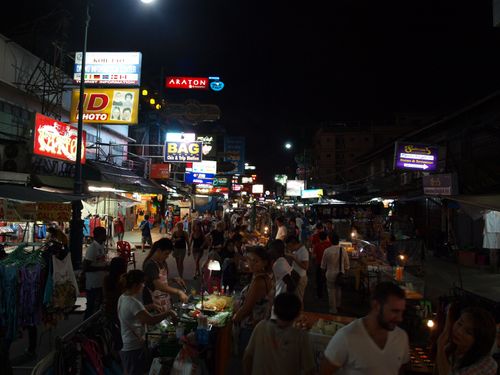
Bangkok’s backpacker carnival: curbside bars, live bands and DJs from 3pm–2am (midnight Sun). Street eats are cheap — pad thai 70–100 THB, mango sticky rice 60–100 THB. Come for wild people-watching; duck into Rambuttri for a calmer beer.
Rambuttri
Markets
Khao San’s calmer cousin: a tree‑shaded lane of VW van cocktail bars, open‑air foot massages, pad thai grills, and easygoing live bands. Best from sunset to 11pm; beers 80–120 THB, cocktails 150–220 THB. One block from the chaos, all the charm.
Ratchada Boutique Hotel
Hotels
A 4-star hotel in Bangkok.