Bangkok Street Food Guide: Khao San Road and Beyond
Bangkok Street Food Guide: Khao San Road and Beyond — your insider guide to the best of Khao San Road.
Bangkok Street Food Guide: Khao San Road Road and Beyond Date: 2026-06-06
Why Bangkok street food? Because the city cooks in every direction at once: grills smoking on corners, woks snapping over blue flames, spice pastes pounded to order, and desserts scooped from shimmering trays. This guide centers on Khao San Road—Banglamphu’s backpacker hub—then stretches into neighborhoods where locals line up daily. You’ll find what to eat, where to go by time of day, how to order, and how to stay street-smart.
How to use this guide
- Eat by time window: breakfast markets, office-lunch lanes, night streets.
- Follow your senses: join the stall with a queue and fast turnover.
- Order small, often: street food rewards curiosity and grazing.
- Bring cash and small notes. Many vendors are cash-only.
- Spice control: say “mai phet” (not spicy), “phet nid noi” (a little spicy), or “phet mak” (very spicy).
Quick-glance: where and when
- Early morning: Nang Loeng Market; Or Tor Kor (near Chatuchak); Ratchawat and Sriyan markets in Dusit.
- Late morning to lunch (weekday energy): Silom Soi Convent and Soi Sala Daeng side lanes; Ari Soi 1; Victory Monument boat-noodle alleys.
- Afternoon pick-me-ups: Talat Phlu (Thonburi) for grills and sweets; Pratunam’s Phetchaburi sois for noodles and curry rice.
- Night eats: Khao San Road and Soi Wong Amat Beach; Yaowarat (RONGROS) blazing from sunset; Wang Lang Market across the river from the The Grand Palace.
Khao San Road and Banglamphu essentials
- Where to walk:
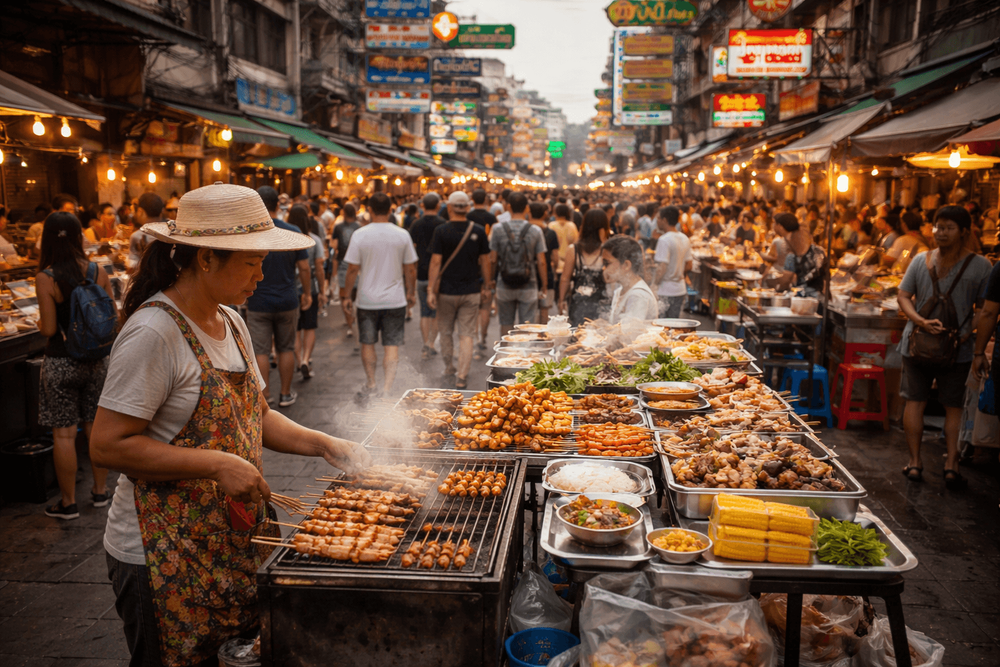
- Khao San Road for tourist-friendly snacks (skewers, fruit shakes, roti, pad thai) and late-night grazing.
- Soi Rambuttri (parallel loop) for slightly calmer carts and noodle shophouses.
- Trok Mayom and Chakrabongse Road edges for more local breakfast/lunch stalls.
- What to eat nearby:
- Moo ping and khao niao: smoky pork skewers with warm sticky rice.
- Pad thai and kuaitiao pad kee mao: wok-fried noodles; “kee mao” is the spicy “drunken” style.
- Khao kha moo: soy-braised pork leg on rice with pickled mustard greens.
- Som tam set: papaya salad with grilled chicken (gai yang) and sticky rice; add “mai sai pla raa” if you prefer no fermented fish.
- Roti mataba: flaky Muslim-Thai roti stuffed with curry-scented fillings.
- Khanom krok: coconut-rice mini pancakes—look for golden edges and soft centers.
- Fresh tropical fruit: mango, pineapple, guava, pomelo; ask for “mai wang” (no sugar/salt/chili) if you prefer it plain.
- When to go:
- Breakfast: quiet lanes around Chakrabongse and Tani for rice porridge, soy milk, fried dough (“pa tong go”).
- Late afternoon to late night: the main Khao San and Rambuttri strips come alive; lines signal the best fryers and grills.
- Street-smart tips:
- Pad thai cooked to order is a good litmus test—hot wok, quick toss, fresh chives and sprouts.
- Ice is generally filtered from large, clear cubes. If unsure, ask for bottled drinks.
Beyond Khao San: where locals actually eat
- Yaowarat (Chinatown)
- Vibe: neon, brass woks, and hawkers calling orders in Thai and Teochew.
- Must-tries: oyster omelet (hoy tod), grilled squid, peppery fish maw soup, Chinese dough sticks with pandan custard, chestnuts roasting, black sesame dumplings in ginger tea, mango with sticky rice.
- When: streets heat up from early evening; weekend nights are busiest.
- Tip: Follow vendors who cook one specialty and do it relentlessly—those lines move fast.
- Victory Monument (boat-noodle alleys)
- Vibe: rapid-fire bowls served small so you can try several broths and proteins.
- Must-tries: boat noodles with beef or pork, thickened with spices and herbs; crispy pork crackling on the side; pandan iced drinks.
- When: late morning through afternoon; many close by early evening.
- Talat Phlu (Thonburi)
- Vibe: old-rail neighborhood with timeworn grills and dessert carts.
- Must-tries: moo satay with peanut sauce and cucumber relish; khao moo daeng (red pork on rice); Thai desserts like khanom buang (crisp crepes) and sticky-rice sweets.
- When: late afternoon into evening.
- Ratchawat and Sriyan (Dusit)
- Vibe: two classic markets a short ride apart; shophouses dating back decades.
- Must-tries: braised beef noodles, roasted duck on rice, Southern Thai curries (fiery), fresh sugarcane juice.
- When: breakfast and lunch for the strongest selection.
- Nang Loeng Market
- Vibe: historic wooden halls; family-run vendors; lunch rush crescendo.
- Must-tries: khao gaeng (curry rice), crab curry, Thai sweets tied with banana-leaf string.
- When: morning to early afternoon; go early for full variety.
- Or Tor Kor Market (near Chatuchak)
- Vibe: polished produce market showcasing the best fruit and prepared foods.
- Must-tries: impeccably ripe mango, durian in season, grilled river prawns, curry pastes, sai krok Isan (fermented sausage).
- When: daytime; combine with a Chatuchak weekend visit.
- Wang Lang Market (opposite Tha Phrachan/Grand Palace side)
- Vibe: riverside maze serving hospital workers and students.
- Must-tries: fried chicken with sticky rice, herbal sausages, boat noodles, banana fritters, grilled fish balls with sweet-chili dip.
- When: late morning to late afternoon on weekdays; lively lunches.
What to eat: a field guide
- Grilled and fried
- Moo ping (pork skewers), gai yang (grilled chicken), pla pao (salt-crusted whole fish), tod man pla (fried fish cakes), sai krok Isan (tangy sausage).
- Noodles
- Pad thai, pad see ew (soy-sauce noodles), pad kee mao (spicy basil-chili noodles), boat noodles (rich, dark broth), yen ta fo (pink fermented-bean sauce), ba mee (egg noodles with roast pork and wontons).
- Rice plates and curries
- Khao gaeng (rice with multiple curries—point and choose), khao man gai (Hainanese chicken rice), khao moo daeng (red pork), khao kha moo (braised pork leg), khao pad (fried rice).
- Salads and herb-forward dishes
- Som tam (papaya salad variations), larb and nam tok (herbed minced meats), yam wun sen (glass-noodle salad).
- Breakfast and snacks
- Jok (rice porridge), kai kata (pan eggs), pa tong go (fried dough), tofu/soy milk with ginger syrup, fresh soy milk with black sesame.
- Sweets and drinks
- Mango sticky rice, khanom krok, bua loy (rice dumplings in coconut milk), tub tim grob (water-chestnut rubies), grass jelly drinks, lime tea with salt on hot days, nam manao (lime soda).
How to order like you live here
- The flow: look > queue > point > confirm spice level and protein > pay when served.
- Thai phrases that help:
- “Sa-wat-dee krub/ka” (hello), “khop khun krub/ka” (thank you).
- “Mai phet” (not spicy), “phet nid noi” (a little spicy).
- “Mai sai…” (don’t add…) e.g., “mai sai pong chee rote” (no MSG), “mai sai pak chee” (no coriander).
- “Ao set nii” (I’ll take this set), “thang mod” (everything), “mai wang” (no extra sugar/salt/chili).
- Allergens and dietary needs:
- Fish sauce and shrimp paste are common in curries and salads; ask “mai sai nam pla/kapii.”
- Vegetarians: look for jay/vegan stalls marked with a yellow flag and red Thai characters; say “gin jay.”
- Halal: in mixed areas, ask “halal mee mai?” and favor Muslim-run roti and grilled-chicken vendors.
Hygiene and safety
- Choose busy stalls with high turnover and food cooked to order.
- Hot and sizzling beats lukewarm trays; ask for reheating if unsure.
- Ice: large, clear cubes are generally filtered; skip if uneasy.
- Water: sealed bottles or hot teas are easiest.
- Hands: carry sanitizer or wet wipes; many stalls provide a wash station.
- Heat: if you overdo the chilies, ask for extra rice or a sweet drink; dairy is uncommon.
Getting to Khao San Road and key food neighborhoods Note: For each transport route below, confirm schedules, first/last departures, and fares on the operator’s official pages. Verify on official site before travel.
- Chao Phraya Express Boat to Chao Phraya Tourist Boat N13 Phra Arthit Pier (for Khao San/Banglamphu). From the riverside BTS Saphan Taksin area, board a northbound boat; Phra Arthit is a short walk to Khao San. Verify on official site before travel.
- Official info: Chao Phraya Express Boat (operator website or official social channels). Verify on official site before travel.
- MRT Sanam Luang or Sam Yot + short ride to Banglamphu. Good for hopping between Old Town sights and evening eats. Verify on official site before travel.
- Official info: MRT Bangkok (Mass Rapid Transit Authority) website. Verify on official site before travel.
- For Yaowarat (Chinatown): MRT Wat Mangkon delivers you right into Chinatown’s grid; walk out to Yaowarat Road for night stalls. Verify on official site before travel.
- Official info: MRT Bangkok website. Verify on official site before travel.
- For Victory Monument boat noodles: BTS Victory Monument puts you within walking distance of the canal-side alleys. Verify on official site before travel.
- Official info: BTS Skytrain (Bangkok Mass Transit System) website. Verify on official site before travel.
- For Wang Lang Market: cross-river ferries connect from Tha Chang/Tha Phrachan piers to Wang Lang Pier beside Siriraj Hospital. Verify on official site before travel.
- Official info: Pier operators list schedules at the piers; check Chao Phraya ferry services. Verify on official site before travel.
- For Or Tor Kor: MRT Kamphaeng Phet brings you beside the market and near Chatuchak Weekend Market. Verify on official site before travel.
- Official info: MRT Bangkok website. Verify on official site before travel.
When to go by appetite
- Breakfast missions: hit Nang Loeng or Sriyan early for rice porridge, curries, and sweets before the lunch crush.
- Weekday lunches: target business districts (Silom/Sathorn, Ari, Rama 4) when office workers flood the lanes; many stands close after lunch.
- Night hunts: roll into Khao San, Rambuttri, Yaowarat, Wang Lang (earlier evenings) for maximal variety and energy.
A simple 1-day street food crawl
- Morning near the Old Town: soy milk and pa tong go, then khao gaeng at Nang Loeng.
- Midday: BTS to Victory Monument for boat noodles; add crispy pork crackling.
- Late afternoon: ferry across to Wang Lang for snacks and desserts to-go.
- Night: walk Rambuttri/Khao San for grills and roti; if you still have room, taxi or MRT to Yaowarat for an oyster omelet and herbal drinks.
Sustainability and respect
- Bring a collapsible cup or cutlery if you have them; many vendors will fill your container.
- Refuse extra plastic bags and straws; point to what you don’t need.
- Queue with patience, return trays and skewers, and avoid photographing people up close without a nod.
What to pack in your day bag
- Small bills and coins, tissues/wet wipes, hand sanitizer, a tote for snacks, sun protection, and an appetite for surprises.
Final bite Bangkok street food rewards the curious. Start with Khao San and Rambuttri for easy-on ramps, then roam to markets where recipes and rhythms are older than the roads themselves. Follow the heat, the smoke, and the line—your best meals will likely cost less planning than the taxi that got you there. And when in doubt, point and smile: the wok language is universal.
Related Hotels & Places
Khao San Road
Attractions
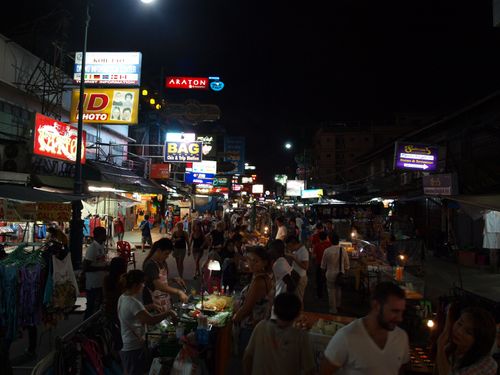
Bangkok’s backpacker carnival: curbside bars, live bands and DJs from 3pm–2am (midnight Sun). Street eats are cheap — pad thai 70–100 THB, mango sticky rice 60–100 THB. Come for wild people-watching; duck into Rambuttri for a calmer beer.
The Grand Palace
Attractions
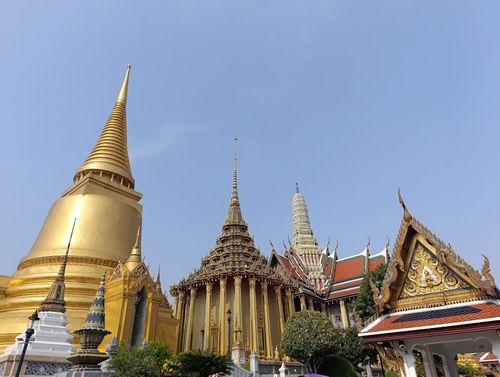
Bangkok’s royal showpiece a short hop from Khao San: glittering Wat Phra Kaew, Ramakien murals, and gold-on-gold rooftops. Go 8:30am to dodge the heat, dress modestly, and boat to Tha Chang for the prettiest arrival.
Khao San Road Night Market
Markets
Khao San’s nightly street market fires up from 3pm and peaks 7pm–midnight: pad thai and roti carts, fruit shakes, bargain tees and “elephant pants,” foot massages, tattoos, and those infamous cocktail buckets—all packed into one neon‑loud strip.
Wat
Temples
Wong Amat Beach
Attractions
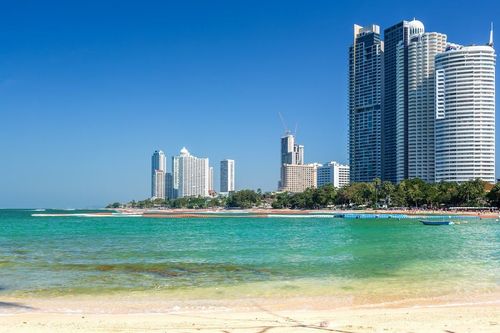
Quieter slice of Pattaya with soft sand, gentle surf, and sunset views to Koh Larn. Slip in via Naklua Soi 12/16, grab a lounger, and graze on som tam and grilled seafood. Best in the morning or at golden hour, far from the jetski buzz of central Pattaya.
Yodpiman Riverwalk
Shops
RONGROS
Restaurants
Chao Phraya Tourist Boat N13 Phra Arthit Pier
Services
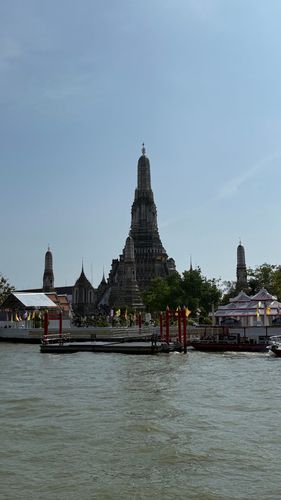
Khao San's river gateway. N13 Phra Arthit is the Chao Phraya Tourist Boat stop: grab a day pass and hop to Wat Arun, the Grand Palace and Sathorn. Boats every ~30 mins; last around 7:15pm. The scenic, no-traffic way to get around.
Sanam Luang
Attractions
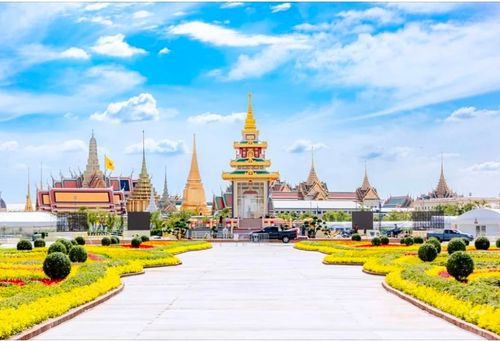
Bangkok’s royal lawn facing the Grand Palace. Free to wander, ringed by tamarind trees, popular for kite flying (Feb–Apr) and lazy green‑space hangs. A 10‑minute walk from Khao San; come early for soft light and street snacks along Na Phra That Rd.