
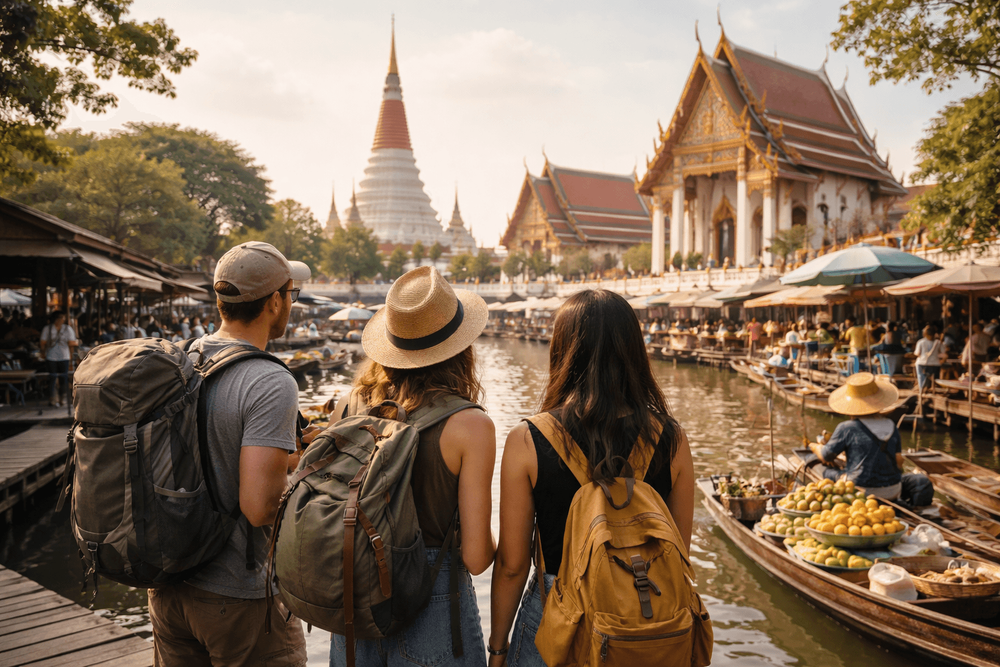
Best Day Trips from Bangkok for Backpackers to Samut Prakan, Bang Saen, and Nakhon Pathom
Three easy, cheap Bangkok day trips: Samut Prakan’s icons, Bang Saen’s beach, and Nakhon Pathom’s giant stupa—with routes, costs, and local tips.
We step out of the thump of bass on Khao San Road and into the soft blue of early morning, still sticky from last night’s sanuk. The wok-smell of pad krapao hangs in the air as a tuk-tuk rattles past, and the 7-Eleven door blasts us with Arctic AC. Time to trade city heat for a quick escape. For bangkok day trips samut prakan bang saen nakhon pathom, we’re chasing three easy wins: riverside temples and wild museums in Samut Prakan, knees-in-the-surf seafood at Bang Saen, and a colossal stupa (plus slow trains and market snacks) in Nakhon Pathom. These are bang-for-baht outings—close, cheap, and full of story.
Bangkok day trips to Samut Prakan, Bang Saen, and Nakhon Pathom: Why go
- Samut Prakan: The city’s river-mouth neighbor—giant three-headed elephant, an open-air “mini-Thailand,” mangrove breeze, and a hidden green lung where we pedal wooden walkways above khlongs.
- Bang Saen: Bangkok’s closest true beach day. Low-key, Thai-style, big umbrellas, grilled squid smoke drifting over the shore, not a farang zoo.
- Nakhon Pathom: A relaxed provincial town with the world’s tallest stupa (depending who you ask), leafy palace grounds, and markets spilling onto a slow river.
These three make classic Bangkok day trips to Samut Prakan, Bang Saen, and Nakhon Pathom because they’re doable on public transport, friendly on the wallet, and they deliver different flavors: culture hit, seaside sprawl, and old-school shrine vibes.
Samut Prakan: River bends, giant guardians, and green lungs
What to see and do
- Erawan Museum (Chang Erawan): You’ll spot it from the BTS—a bronze three-headed elephant the size of an office block, perched over a pastel, shrine-like base. Inside: a spiral of stained glass and mythical details you can glare at for ages. We come for the art-meets-spirit mash-up and the way the light throws rainbows on the floor.
- Ancient City (Muang Boran): A landscaped park dotted with jaw-dropping replicas (and some originals) of Thailand’s greatest architecture—floating markets, palaces, wooden teak houses—spread across a map-shaped park. It’s like a road trip in a rental bicycle. Go early; the shadows make the stupas glow.
- Bang Pu Recreation Center: Out by the Gulf, locals stroll the pier at sunset while gulls swoop and the air smells briny-sweet. In cool season (roughly Nov–Feb), the seagull squad is out in force.
- Pak Nam and Phra Samut Chedi: A white riverside stupa that has seen centuries of boats slide past. Walk the fresh markets, snack on kanom jeen curry, and admire the bend where the Chao Phraya exhales into the gulf.
- Bang Krachao (Sri Nakhon Khuean Khan Park & Botanical Garden): Technically Phra Pradaeng district of Samut Prakan—Bangkok’s “green lung.” Hop a tiny ferry, rent a bike, and float along raised walkways over khlongs. Birdsong, banyans, and the occasional monitor lizard sunning itself.
If you want a deeper dive into this province’s greatest hits and easy routing, we’ve got you: Best Samut Prakan Day Trips from Bangkok for Backpackers: Erawan Museum, Ancient City, and Sea-Side Stops.
Getting there and around
- BTS Green Line: Ride to Chang Erawan for the Erawan Museum, or to Kheha/Pak Nam for Ancient City and Pak Nam area. From stations, Grab or a short taxi is easiest.
- Bang Krachao ferry: From Khlong Toei or Wat Khlong Toei Nok pier (on the Bangkok side), a tiny boat shuttles you across for a few baht. Bike rental near the pier usually runs 80–150 baht for a few hours.
- On the ground: Songthaews (shared pick-up trucks) and motorcycle taxis are cheap for hops (20–60 baht). Grab is handy if the sun is punishing.
Time and budget
- Travel time: 30–60 minutes from central Bangkok on the BTS, plus short transfers.
- Typical spend: 400–900 baht per person for transport, snacks, and one paid sight. Street food plates 40–80 baht. Bike rentals 80–150 baht. Museum/park tickets vary; expect mid-hundreds for major attractions—check current rates.
- When to go: Early morning or late afternoon for softer light and cooler air. Weekdays are calmer; weekends bring more families to the pier and parks.
Insider notes
- Dress with temple modesty if you’ll step into shrines (shoulders/knees covered). Carry a light scarf.
- Watch for mosquitoes around mangroves and parks; repellent is your friend.
- The heat is real. Hydrate and duck into 7-Eleven for a 14-baht water and a 10-minute AC reset.
Bang Saen: Bangkok’s closest knees-in-the-surf beach
What to see and do
- Bang Saen Beach: Not postcard-perfect like the islands, but solid for a day of sanuk. Rows of umbrellas, plastic chairs, and seafood vendors shuttling plates to your spot in the shade. We order som tam, grilled squid, and iced coconuts, then wade out with kids squealing where tiny waves lap at our shins.
- Laem Thaen Cape: Wind, views, and a photogenic promenade at the beach’s north end. Sunset here feels like exhaling.
- Khao Sam Muk: A short hill with sea views and macaques. Keep sunglasses and snacks stashed; the monkeys have zero chill.
- Ang Sila Market: Stacks of stone mortars, fresh seafood, and the smell of chili-lime dressing in the air. Great for a quick lunch and a mortar-and-pestle souvenir if your backpack can take it.
- Wang Saen Suk Hell Garden (Wat Saen Suk): Macabre Buddhist sculptures depicting karma in full, graphic detail. Not for toddlers, but a memorable cultural curveball.
Getting there and around
- Vans from Bangkok: From Ekkamai (Eastern Bus Terminal), frequent vans head to Bang Saen/Chonburi. Expect 1.5–2.5 hours depending on traffic, 120–180 baht each way. Tell the driver “Bang Saen” and hop out near the beachfront.
- Local moves: Songthaews run along the beach road (10–20 baht). Motorbike taxis for short hops; Grab for door-to-sand convenience.
Time and budget
- Travel time: 90–120 minutes from Bangkok, longer on Sunday evenings when everyone returns.
- Typical spend: 500–1,000 baht per person including van fares, a chair/umbrella (about 50–100 baht), a seafood lunch (100–300 baht per dish), and cold drinks.
- When to go: Start early to snag a shady spot. The sun slaps from 11:00–15:00. Occasional jellyfish appear in rainy months; locals wade shallow or wear rash guards.
Insider notes
- Prices on the beach are often “menu + service” (ice buckets, mixers). Always confirm the price before you order that platter of prawns.
- Bring a quick-dry towel, sunscreen, and a change of clothes—nobody loves a soggy van ride back to the city.
- Weekends get lively with live music and markets near Laem Thaen; weekdays are chill.
Nakhon Pathom: Giant stupa, river markets, slow trains
What to see and do
- Phra Pathom Chedi: A towering orange bell that commands the skyline. Circumnavigate clockwise, breathe in incense, and listen to temple bells float over the market that rings the base. It glows beautifully at dusk.
- Sanam Chandra Palace: A storybook complex with yellow mansions, water features, and elegant bridges. The lawns make a calmer counterpart to the bustle near the stupa. Some buildings have variable opening days—check before you go.
- Don Wai Riverside Market: A few districts over on the Tha Chin River—hanging bananas, roast duck, and curry pots that could feed a village. Eat on rickety riverside platforms and watch longtails idle by.
- Wat Rai Khing: A local-favorite temple near Don Wai where families feed fish in the river and browse sweets stands.
- Jesada Technik Museum: For transport geeks—rows of vintage microcars, buses, and oddities in a warehouse setting. Hours change; confirm first if it’s a must for you.
Want a route that strings these together without sweaty guesswork? Open this in another tab: Best Nakhon Pathom Day Trips from Bangkok for Backpackers: Giant Stupa, Markets, and Easy Rail Access.
Getting there and around
- Train from Bangkok: From Thonburi Station, slow commuter trains rumble to Nakhon Pathom in around 60–90 minutes. Fares are cheap (think coins-not-Franklins). It’s the most atmospheric way in.
- Vans: From the Southern Bus Terminal (Sai Tai Mai), frequent vans zip to Nakhon Pathom in about an hour when traffic behaves.
- Local transport: Songthaews and motorcycle taxis cluster near the station and the stupa. Most central sights are walkable with shady breaks.
Time and budget
- Travel time: 60–90 minutes each way.
- Typical spend: 300–800 baht per person for round-trip transport, temple donations (20–60 baht if you choose), market meals (40–100 baht per plate), plus any museum entry.
- When to go: Late afternoon is gorgeous at the chedi; arrive earlier to explore markets, then circle back for the lights.
Insider notes
- Modest dress for temples applies here, too. Slip-off shoes make your life easier.
- The temple market around Phra Pathom Chedi is street-food heaven. Hunt for khao lam (sticky rice roasted in bamboo) and khanom jeen with spicy nam ya.
Which day trip fits your style
- Culture hunters: Samut Prakan for the Erawan Museum’s stained-glass spiral and Ancient City’s architectural hits; Nakhon Pathom for chedi grandeur and palace lawns.
- Food-first travelers: Nakhon Pathom’s night market by the stupa and Don Wai’s riverside spread are your playgrounds. Bang Saen serves seawater and seafood—order grilled prawns and a papaya salad, then nap.
- Seaside loungers: Bang Saen. Bring a book, rent a chair, and let the plastic table fill with plates.
- Families: Samut Prakan’s Bang Krachao and Ancient City are easy wins with space to roam. Bang Saen has gentle water and snacks on tap.
- Casual sightseeing with photos: Any of the three, but Samut Prakan’s big icons and Nakhon Pathom’s sunset chedi hit hardest on the grid.
If you want to browse by theme—waterfalls, markets, history—bookmark this roundup: Best Day Trips from Bangkok for Backpackers by Interest: History, Waterfalls, Markets, and River Towns.
Timing, weather, and easy combos
- Start early: Beat traffic and the sun. If we’re chasing Samut Prakan’s parks or Ancient City, we’re rolling by 7:30–8:00.
- Weather watch: Cool/dry (Nov–Feb) is dreamy. Hot season (Mar–May) is scorched-earth at noon—plan shade and breaks. Rainy months (May–Oct) bring cloud cover and surprise downpours; pack a poncho.
- Weekend vs weekday: Weekends mean more buzz (and lines) at Erawan, Ancient City, and Bang Saen. Nakhon Pathom’s chedi area stays lively most evenings.
- Easy combos:
- Half-day Samut Prakan: Erawan Museum in the morning + Bang Krachao cycling before lunch. Back in town by afternoon.
- Nakhon Pathom day: Train out, palace and market wander, chedi at golden hour. If time allows, add Don Wai for a riverside meal, then a Grab back to the station.
- Bang Saen focus: Don’t overstuff it. Add Ang Sila on the way back if traffic is light.
For canal-lovers and slow-village detours, keep this page handy: Best Day Trips from Bangkok for Backpackers Who Prefer Canals, Floating Markets, and Slow Village Stops.
What it costs (realistically)
- Samut Prakan day: 400–900 baht per person, depending on one or two paid sights. BTS + short rides keep it cheap.
- Bang Saen day: 500–1,000 baht per person, driven by van fares and how deep you go on seafood plates.
- Nakhon Pathom day: 300–800 baht per person, thanks to cheap trains and market meals.
We keep a few 20-baht notes handy for motorcycle taxis, songthaews, temple donations, and the odd iced coffee that calls to us from a cart under a tamarind tree.
Know before you go
- Transport sanity: If a tuk-tuk quote makes your eyebrows touch your hairline, smile, wai, and walk away. Use the meter for taxis or a Grab estimate.
- Temple etiquette: Shoulders and knees covered inside halls, hats off, shoes off before stepping onto raised platforms. No alcohol on temple grounds.
- Beach smarts: Confirm prices before ordering and ask if there’s a per-chair fee or service charge. Keep an eye on valuables while you swim.
- Monkey business: At Khao Sam Muk, don’t feed the macaques, and stash shiny things. They read “Ray-Ban” as “free snack.”
- Hydration and heat: Electrolyte drinks from 7-Eleven are a lifesaver after three markets and a palace lawn.
Where to base in Bangkok for easy day starts
We like to sleep near a BTS or around Soi Rambuttri/Phra Athit if we’re chasing early trains from Thonburi or quick hops to Ekkamai vans. On a tight budget, pick somewhere with decent AC and a quick walk to transit—your future self (melting at noon) will high-five you. If pools and rooftops matter to you, stay along Sukhumvit near a station so those dawn departures feel painless.
Ready to roll
Slip on breathable clothes, pack a scarf, toss in sunscreen, and let’s go trade Bangkok’s roar for gull cries, temple bells, or wavelets on our ankles. If you’re aiming for Samut Prakan at sunrise, we’ll meet under the three-headed elephant; if it’s Bang Saen, look for us where the grilled squid smoke drifts over the umbrellas; and if it’s Nakhon Pathom, we’ll be the ones grinning as the slow train rattles past the rice fields.
Related Hotels & Places
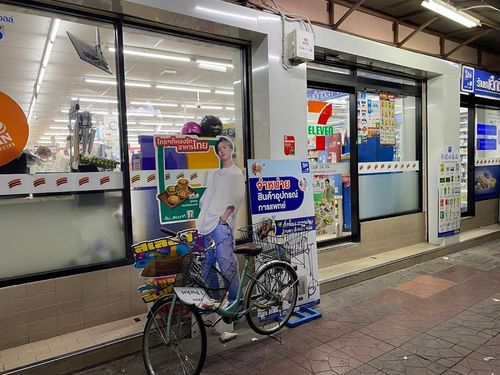
7-Eleven
Shops
Khao San’s 24/7 reset button: ice‑cold A/C, ham‑cheese toasties, All Café iced lattes, water for 7–14 THB, and late‑night supplies from snacks to sunscreen—right by Rikka Inn.
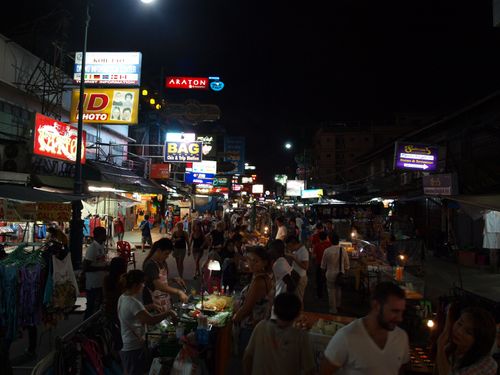
Khao San Road
Attractions
Bangkok’s backpacker carnival: curbside bars, live bands and DJs from 3pm–2am (midnight Sun). Street eats are cheap — pad thai 70–100 THB, mango sticky rice 60–100 THB. Come for wild people-watching; duck into Rambuttri for a calmer beer.
More Khao San Road Guides
- Best Day Trips from Bangkok for Backpackers Without a Tour Group
- Best Day Trips from Bangkok for Backpackers Who Want Nature, Ruins, and Beach Time
- Best Day Trips from Bangkok for Backpackers Who Want Markets, Canals, and Small-Town Thai Life
- Best Day Trips from Bangkok for Backpackers Who Want Nature, Not Temples